1 citations
,
October 2013 The framework helps develop medical apps on mobile devices to reduce reliance on desktop computers.
 January 2024 in “Wiadomości Lekarskie”
 AI in heart scans improves diagnosis and treatment but has risks like misdiagnosis and high costs.
 July 2026 in “Diagnostics”
 Integrating various skin imaging technologies improves diagnosis and treatment in dermatology.
1 citations
,
May 2023 in “Elsevier eBooks” 1647 citations
,
June 2014 in “BMJ” Evidence-based medicine needs improvement to better tailor treatments to individual patients.
 July 2003 in “Hair transplant forum international”
 PEMA handles on syringes improve comfort and efficiency in hair transplant procedures.
1 citations
,
December 2022 in “Zenodo (CERN European Organization for Nuclear Research)” Emotional intelligence needs different measurement tools than IQ.
224 citations
,
February 2013 in “The Journal of clinical investigation/The journal of clinical investigation” ERG increases SOX9, promoting prostate cancer growth and invasion.
7 citations
,
October 2021 in “Current Dermatology Reports”  April 2023 in “Journal of Investigative Dermatology”
 The improved EczemaNet more reliably and clearly identifies and assesses the severity of atopic dermatitis from photos.
9 citations
,
December 2023 in “Journal of the European Academy of Dermatology and Venereology” Combining skincare products with medical aesthetics works better than using them separately.
June 2025 in “British Journal of Dermatology” An AI device for skin cancer was successfully integrated into the NHS, improving diagnosis accuracy and service capacity.
January 2026 in “Journal of Aesthetic Medicine” Aesthetic care should align physical changes with mental well-being using a comprehensive, multidisciplinary approach.
September 2023 in “Journal of the American Academy of Dermatology”  8 citations
,
March 2019 in “Drugs - Real World Outcomes”
8 citations
,
March 2019 in “Drugs - Real World Outcomes” Healthcare claims databases can help monitor drug safety, but may report adverse events differently than direct surveillance.
September 2015 in “International Society of Hair Restoration Surgery” 1 citations
,
September 2011 in “Hair transplant forum international” Empowered patients make better healthcare decisions.
February 2018 in “The journal of sexual medicine” Telemedicine is effective for sexual medicine consultations.
May 2022 in “Journal of Neurology Neurosurgery & Psychiatry” Erenumab significantly reduced migraine days or severity in most patients after 3 months.
14 citations
,
September 2020 in “Journal of the American Academy of Dermatology” Electrical impedance spectroscopy improves biopsy accuracy and efficiency for skin lesions.
 2 citations
,
November 2021 in “Frontiers in Medicine”
2 citations
,
November 2021 in “Frontiers in Medicine” New skin imaging, teledermatology, and AI could become key in future dermatology care.
 8 citations
,
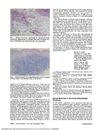
November 1990 in “Archives of Dermatology”
8 citations
,
November 1990 in “Archives of Dermatology” A woman with EMS showed unusual skin mucinosis without the typical hard skin syndrome, suggesting EMS can cause skin mucinosis.
 January 2024 in “Wiadomości Lekarskie”
 AI improves medical care by enhancing diagnosis and treatment for better patient outcomes.
3 citations
,
March 2024 in “arXiv (Cornell University)” The new AI system improves remote skin condition diagnosis and access to care.

Elastin-like recombinamers show promise for better wound healing and skin regeneration.
4 citations
,
March 2023 in “Cancer Innovation” Flexible bioelectronics show promise in non-invasive cancer detection and treatment but need improvements in stability and effectiveness.
 September 2024 in “Cutis”
 Dermatology residency programs need better DEI training to improve care for diverse patients.
13 citations
,
November 2024 in “EClinicalMedicine” Standardized de-facing protocols can prevent identification from anonymized MRI images, enhancing privacy protection.
June 2020 in “Zenodo (CERN European Organization for Nuclear Research)” Integrating medical biochemistry with other subjects improves clinical problem-solving skills.
 2 citations
,
January 2021 in “Signa Vitae”
2 citations
,
January 2021 in “Signa Vitae” Certain symptoms and patient profiles, like thoracic pain and general malaise, increase the risk of COVID-19 patients being readmitted to the emergency department.