October 2022 in “International Journal of Research in Dermatology” Hormonal imbalances contribute to female hair loss, and trichoscopy is a useful diagnostic tool.
1 citations
,
August 2025 in “European journal of medical research” Subclinical hypothyroidism in women with PCOS affects thyroid and hormone interactions but not ovary structure.
December 2025 in “Biomedicines” Tyrosine kinase inhibitors for endocrine tumors often cause skin issues, requiring early management and treatment adjustments.
 January 2023 in “Sibirskij medicinskij vestnik”
 Women with PCOS are more vulnerable to severe COVID-19 and related health issues.
 June 2013 in “Vestnik dermatologii i venerologii”
 Women with hair thinning have disrupted steroid hormone levels, but this doesn't often show as other health issues. More research is needed on hormone balance in this condition.
 9 citations
,
January 1997 in “Endocrine Journal”
9 citations
,
January 1997 in “Endocrine Journal” Gonadal biopsy is the best method to diagnose gonadal dysgenesis.
 February 2013 in “Journal of The American Academy of Dermatology”
 Hair loss is a common side effect of hormone treatments for cancer.
 73 citations
,
June 2008 in “The Journal of Clinical Endocrinology and Metabolism”
73 citations
,
June 2008 in “The Journal of Clinical Endocrinology and Metabolism” Polycystic ovarian shape is a genetic sign of PCOS and its hormonal and metabolic features can be inherited.
 6 citations
,
January 2013 in “Case reports in endocrinology”
6 citations
,
January 2013 in “Case reports in endocrinology” The document concludes that AFA should be considered in patients with acromegaly-like features but normal hormone levels, and more cases need to be identified to understand the condition fully.
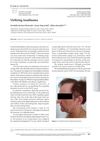 August 2025 in “Endokrynologia Polska”
 A rare pancreatic tumor caused a woman's male-like features, treated successfully with surgery and medication.
 1 citations
,
June 2021 in “Journal of Endocrinological Investigation”
1 citations
,
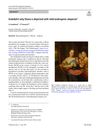
June 2021 in “Journal of Endocrinological Investigation” Possible endocrine disorders caused woman's hair loss and obesity in painting.
 10 citations
,
January 2014 in “Endocrinology & metabolic syndrome”
10 citations
,
January 2014 in “Endocrinology & metabolic syndrome” PCOS is a long-term condition that needs more research for better understanding and treatment.
 1265 citations
,
October 2013 in “The Journal of Clinical Endocrinology and Metabolism”
1265 citations
,
October 2013 in “The Journal of Clinical Endocrinology and Metabolism” The guideline suggests using specific criteria to diagnose PCOS, recommends various treatments for its symptoms, and advises screening for related health issues.
 145 citations
,
March 2010 in “Fertility and Sterility”
145 citations
,
March 2010 in “Fertility and Sterility” Different types of polycystic ovary syndrome (PCOS) have varying severity, with Type I being the most severe and common.
 14 citations
,
July 2021 in “Reviews in endocrine and metabolic disorders”
14 citations
,
July 2021 in “Reviews in endocrine and metabolic disorders” SARS-CoV-2, the virus causing COVID-19, can affect all endocrine organs and systems, altering their function and potentially leading to disorders. Factors like diabetes and obesity increase infection risk and severity. Understanding these effects is key for effective treatment.
84 citations
,
September 2014 in “European journal of endocrinology” Doctors should check for serious tumor causes of high androgen levels in postmenopausal women and more research is needed on this condition.
Androgenetic alopecia causes gradual hair thinning due to genetics and hormones, with treatment options including scalp prostheses.
 85 citations
,
June 2006 in “Best Practice & Research Clinical Endocrinology & Metabolism”
85 citations
,
June 2006 in “Best Practice & Research Clinical Endocrinology & Metabolism” The document concludes that hirsutism is the main sign for diagnosing hyperandrogenism, which requires a detailed patient history and physical exam.
2 citations
,
September 2013 in “Journal of the Turkish-German Gynecological Association” Drugs for PCOS can affect metabolism, so understanding their effects is important for managing health risks.
Accurate diagnosis of PCOS requires comprehensive androgen measurement.
 278 citations
,
August 2004 in “Best Practice & Research in Clinical Obstetrics & Gynaecology”
278 citations
,
August 2004 in “Best Practice & Research in Clinical Obstetrics & Gynaecology” Polycystic ovaries are defined by having 12 or more small follicles in each ovary and are found in up to 33% of women, while Polycystic Ovary Syndrome (PCOS) is the most common hormone disorder in women of reproductive age, potentially increasing risk of obesity, diabetes, and heart diseases.
 103 citations
,
June 2007 in “Endocrinology and Metabolism Clinics of North America”
103 citations
,
June 2007 in “Endocrinology and Metabolism Clinics of North America” Male pattern hair loss is genetic and influenced by hormones, with treatments like minoxidil and surgery available.
 19 citations
,
October 2004 in “Best Practice & Research in Clinical Obstetrics & Gynaecology”
19 citations
,
October 2004 in “Best Practice & Research in Clinical Obstetrics & Gynaecology” The diagnosis of polycystic ovary syndrome (PCOS) requires a detailed patient history, ultrasound scanning, hormone level checks, and assessments of ovulation, obesity, and insulin resistance. It's a variable condition that needs individualized management and is a significant risk factor for type 2 diabetes.
14 citations
,
January 2025 in “Reproductive Medicine and Biology” PCOS diagnosis and treatment should consider race and ethnicity for accuracy.
1 citations
,
July 2024 in “JCEM Case Reports” A new genetic variant of Woodhouse-Sakati syndrome was found in two adult sisters in Russia.
 5 citations
,
September 2012 in “Journal of Investigative Dermatology”
5 citations
,
September 2012 in “Journal of Investigative Dermatology” Scientists can mimic hair disorders by altering genes in lab-grown human hair follicles, but these follicles lack some features of natural ones.
 45 citations
,
January 2006 in “Endocrine journal”
45 citations
,
January 2006 in “Endocrine journal” To diagnose Polycystic Ovarian Syndrome, two out of three signs—irregular periods, high male hormone levels, or cysts on the ovaries—are needed.
 January 2024 in “Endocrine and metabolic science”
 Different types of PCOS need specific diagnosis methods and treatments.
 7 citations
,
January 2024 in “Medicinska istrazivanja”
7 citations
,
January 2024 in “Medicinska istrazivanja” PCOS causes hormonal imbalances, irregular periods, and can lead to infertility, obesity, and mental health issues.
3 citations
,
April 2019 in “Journal of the Endocrine Society” Satoyoshi syndrome can occur without causing premature ovarian failure.