 January 2020 in “Modern Plastic Surgery”
 The traditional method of estimating skin graft success by looking is generally reliable but less so for inexperienced observers and in certain wound conditions.
 11 citations
,
February 2022 in “Scientific Reports”
11 citations
,
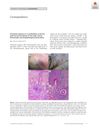
February 2022 in “Scientific Reports” CD26+ fibroblasts improve skin healing and integration better than CD26− fibroblasts.
 2 citations
,
June 2018 in “Clinical and Experimental Dermatology”
2 citations
,
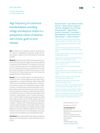
June 2018 in “Clinical and Experimental Dermatology” Permanent hair loss after a stem cell transplant can be a sign of chronic immune system attack on the scalp.
 17 citations
,
June 2016 in “Croatian Medical Journal”
17 citations
,
June 2016 in “Croatian Medical Journal” Patients with chronic graft-versus-host disease often have skin problems like vitiligo and alopecia areata.
 1 citations
,
January 1998 in “Seminars in Plastic Surgery”
1 citations
,
January 1998 in “Seminars in Plastic Surgery” Hair transplantation using micro- and minigraft megasessions is safe, effective, and provides natural results with high patient satisfaction.
1 citations
,
September 2025 in “International Journal of Molecular Sciences” Cells from concentrated growth factor can become different cell types.
33 citations
,
September 2008 in “Biochemical and Biophysical Research Communications” Hair follicles can be used to easily create neurons and glial cells for potential nerve repair.
 May 2012 in “The Journal of Nuclear Medicine”
 Hair stem cells were tracked in mice using a special imaging technique, showing that it's possible to monitor hair growth this way.
January 2006 in “Journal of Sun Yat-sen University” Engineered skin using stem cells and collagen sponge effectively healed and regenerated complex skin features in mice.
 July 2014 in “Plastic and Reconstructive Surgery”
 Hair follicles stored in a special medium and certain types of grafts have higher survival and growth rates after transplantation.
55 citations
,
August 2024 in “Heliyon” Stem cell transplantation shows promise for treating diseases but faces challenges like safety, ethics, and cost.
 9 citations
,
May 2010 in “Journal of Investigative Dermatology”
9 citations
,
May 2010 in “Journal of Investigative Dermatology” Human sebaceous glands can grow back in skin grafts on mice and work like normal human glands.
 67 citations
,
September 2003 in “Plastic and Reconstructive Surgery”
67 citations
,
September 2003 in “Plastic and Reconstructive Surgery” Micrografts and minigrafts are safe and effective for hair transplantation in facial and scalp reconstruction, providing high patient satisfaction.
 28 citations
,
February 2014 in “PLoS ONE”
28 citations
,
February 2014 in “PLoS ONE” Epidermal stem cells on a special membrane helped mice regrow full skin with hair and functions.
105 citations
,
December 2017 in “Journal of Biological Engineering” Artificial skin grafts face immune rejection, but stem cells may improve future designs.
February 2010 in “Journal of the American Academy of Dermatology” Activating cAMP and ATP improves hair growth and strength.
4 citations
,
October 2016 in “The journal of investigative dermatology/Journal of investigative dermatology” Using an anti-ICAM-1 antibody with rapamycin improves hair transplant survival in monkeys.
44 citations
,
July 2020 in “Stem Cell Research & Therapy” Epidermal stem cells show promise for skin repair and regeneration.
January 2013 in “Biology of blood and marrow transplantation” Rapamycin increased survival in mice with severe chronic graft-versus-host disease by expanding regulatory T cells.
Transplanted hair follicles can restore function and connect with host tissues.
 May 2026 in “Journal of Health and Allied Sciences NU”
 Optimized culture conditions improve human epidermal stem cell growth for skin regeneration.
January 2014 in “Institutional Repositories DataBase (IRDB)” Fibroblast spheres can form stem cells, but marker distribution needs more study.
November 2022 in “bioRxiv (Cold Spring Harbor Laboratory)” Neonatal blood vessels rearrange and stabilize as adults, with adult vessels better at self-repair after injury.
September 2014 in “Archives of disease in childhood” A 12-year-old boy had severe shingles and skin damage after a stem-cell transplant.
3 citations
,
March 2023 in “Cell Biology International” Stem cell-enriched fat grafts improve facial hyperpigmentation better than conventional grafts.
September 2024 in “Medicine” Alopecia areata may protect against graft dysfunction, while asthma may increase its risk.
269 citations
,
October 2017 in “International Journal of Molecular Sciences” Improving mesenchymal stromal cell therapies requires overcoming cell death and optimizing delivery methods.
21 citations
,
April 2021 in “Biofabrication” The study created a skin model with realistic blood vessels that improves skin grafts and testing for drug delivery.
 3 citations
,
September 2006 in “Hair transplant forum international”
3 citations
,
September 2006 in “Hair transplant forum international” Using both hands to place grafts makes the process quicker and less painful.
March 2006 in “Chinese journal of plastic surgery” Microencapsulated human hair cells can regenerate hair follicles in mice ears.