January 2006 in “Chinese Journal of Aesthetic Medicine” Zinc improves skin flap survival in rats.
September 2023 in “International journal of molecular sciences” Targeting lipid metabolism can help treat advanced, resistant cancers.
4 citations
,
June 2022 in “Journal of cleaner production” New eco-friendly method strengthens and sets hair using light and causes less damage.
7 citations
,
March 1990 in “Pigment Cell Research” Certain chemicals cause hair graying in black mice but not yellow mice.
 July 2016 in “Dermatologie pro praxi”
 Espumil foam base allows easy preparation of skin medications for hairy areas.
 4 citations
,
January 2009 in “Eclética Química”
4 citations
,
January 2009 in “Eclética Química” Scientists developed a cheaper, but slower, method to measure minoxidil in hair loss treatments with high accuracy.
37 citations
,
November 2024 in “Cosmetics” Ethosomes enhance skin penetration better than liposomes, benefiting therapeutic and cosmetic applications.
 93 citations
,
February 2008 in “Atmospheric environment”
93 citations
,
February 2008 in “Atmospheric environment” Ozone reacts more with unwashed hair, producing compounds due to scalp oils, which could lower ozone exposure but increase exposure to reaction products.
71 citations
,
October 2017 in “Journal of Investigative Dermatology” PPAR-γ agonists like pioglitazone may help manage lichen planopilaris but don't fully reverse scarring.
 September 2010 in “Reactions Weekly”
 A woman was allergic to 5% minoxidil, with stronger reactions to higher concentrations.
19 citations
,
October 1989 in “PubMed” Minoxidil helps hair growth by being sulfated in hair follicles.
109 citations
,
April 1997 in “Journal of Lipid Research” Linoleate deficiency in rats reduces growth and n-6 polyunsaturate accumulation, causing mild symptoms.
26 citations
,
June 2003 in “PubMed” Alpha-difluoromethylornithine prevents cancer in mice but causes hair loss.
 April 2012 in “KSBB Journal”
 Minoxidil analogs can be improved for hair growth inhibition by modifying specific parts of their structure.
20 citations
,
December 2012 in “Journal of molecular structure” The study found that thioglycolic acid breaks down hair bonds more consistently than l-cysteine, which is less damaging to hair.
 10 citations
,
January 1985 in “Elsevier eBooks”
10 citations
,
January 1985 in “Elsevier eBooks” Active oxygen species might be involved in skin tumor growth, but their exact role is unclear.
 January 2022 in “European Proceedings of Life Sciences”
 Understanding genetic traits can help doctors create personalized detox and nutrition plans to boost antioxidant protection.
37 citations
,
January 2006 in “Carcinogenesis” Antizyme slows skin tumor growth by reducing cell growth in mice.
May 2026 in “Advanced Materials Interfaces” The new coating protects and strengthens hair while improving its properties.
 January 2025 in “Journal of Medical Biochemistry”
 Superoxide dismutases help balance cell stress and may aid cancer treatment.
April 2024 in “JURNAL ILMU KEFARMASIAN INDONESIA” The mud mask with 22.5% kaolin and pomegranate peel extract worked best.
9 citations
,
February 2024 in “mBio” Biliverdin IXβ and IXδ help Pseudomonas aeruginosa adapt to chronic infections.
13 citations
,
November 2021 in “Frontiers in Molecular Biosciences” Reducing reactive oxygen species can help treat nerve damage from platinum cancer drugs.
 7 citations
,
January 2020 in “Postepy Dermatologii I Alergologii”
7 citations
,
January 2020 in “Postepy Dermatologii I Alergologii” Oxidative stress plays a role in female pattern baldness, causing an imbalance between harmful and protective elements in the body.
6 citations
,
October 1988 in “Clinics in Dermatology” The molecular details of hair growth are not well understood.
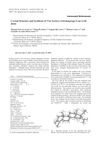 August 2002 in “Analytical Sciences”
 The document concludes that a compound with potential for treating prostate cancer and hair loss was successfully made and its detailed structure was confirmed.
 42 citations
,
December 2016 in “Cell Death & Differentiation”
42 citations
,
December 2016 in “Cell Death & Differentiation” Damaging mitochondrial DNA in mice speeds up aging due to increased reactive oxygen species, not through the p53/p21 pathway.
31 citations
,
January 2014 in “The Scientific World JOURNAL” Eclipta prostrata extract protects skin cells from UVB damage and has strong antioxidant properties.
 9 citations
,
September 2017 in “Journal of Investigative Dermatology Symposium Proceedings”
9 citations
,
September 2017 in “Journal of Investigative Dermatology Symposium Proceedings” Prostaglandin D2 increases testosterone production in skin cells through a process involving reactive oxygen species, and antioxidants may help treat hair loss.
1 citations
,
July 2024 in “International Journal of Cosmetic Science” Para rubber seed oil helps protect skin from aging caused by sunlight.