14 citations
,
September 2016 in “Journal of Photochemistry and Photobiology B Biology” UV exposure damages hair, increasing thiols and altering protein structure.
 21 citations
,
January 2015 in “Dermatologic Therapy”
21 citations
,
January 2015 in “Dermatologic Therapy” Latanoprost may cause scalp inflammation and delayed healing.
 23 citations
,
October 2006 in “Journal of Dermatological Science”
23 citations
,
October 2006 in “Journal of Dermatological Science” Ethosomal minoxidil improves hair growth by penetrating deeper into skin and shortening hair cycle.
September 2011 in “Daehan miyong hakoeji” Henna orange powder, especially with alkali, protects and colors hair better than oxidizing colorants.
 86 citations
,
August 2011 in “Toxicological sciences”
86 citations
,
August 2011 in “Toxicological sciences” TCDD speeds up skin barrier formation by increasing certain gene expressions.
 18 citations
,
September 2016 in “International Journal of Molecular Sciences”
18 citations
,
September 2016 in “International Journal of Molecular Sciences” Polydeoxyribonucleotide (PDRN) may help lighten skin and treat hyperpigmentation.
 May 2026 in “Journal of the Egyptian Womenʼs Dermatologic Society”
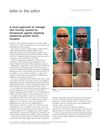
 Higher oxidative stress markers are linked to hair loss in post-COVID-19 patients.
 4 citations
,
March 2012 in “Annals of oncology”
4 citations
,
March 2012 in “Annals of oncology” New treatment with green tea polyphenols and nicotinamide improves skin problems from cancer therapy.
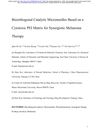 April 2026 in “bioRxiv (Cold Spring Harbor Laboratory)”
 A new microneedle patch significantly improves melanoma treatment by using a special material to activate cancer-fighting drugs and disrupt cancer cells.
 11 citations
,
January 2008 in “International journal of environment and health”
11 citations
,
January 2008 in “International journal of environment and health” Children are at risk of health issues from exposure to platinum group elements from car exhausts.
10 citations
,
November 2023 in “European Journal of Lipid Science and Technology” Walnut extract may help lower cholesterol and inflammation.
22 citations
,
August 2011 in “Journal of the American Academy of Dermatology” Topical tacrolimus can effectively treat erosive pustular dermatosis and related hair loss.
1 citations
,
February 2023 in “IntechOpen eBooks” Targeted photodynamic therapy is a promising method for precise disease treatment and diagnosis.
 29 citations
,
August 1985 in “Contact Dermatitis”
29 citations
,
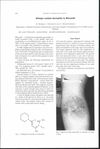
August 1985 in “Contact Dermatitis” Minoxidil can cause allergic reactions like burning, itching, and red bumps.
2 citations
,
January 2016 in “Journal of in silico & in vitro pharmacology” Combining Minoxidil and Rosemary oil in liposomes improves Minoxidil's effectiveness and remains stable for 60 days.
 24 citations
,
January 2012 in “Journal of Cellular Biochemistry”
24 citations
,
January 2012 in “Journal of Cellular Biochemistry” C-reactive protein helps monocytes stick to blood vessel cells by causing oxidative stress.
1 citations
,
August 1989 in “Archives of Dermatology” Minoxidil may promote hair growth by mimicking a natural body process.
August 2013 in “Annals of Translational Medicine” HPE may help treat osteoarthritis by promoting cartilage regeneration.
6 citations
,
January 2014 in “PubMed” The man's scalp condition improved significantly with daily use of 0.1% mometasone furoate cream.
 1 citations
,
January 2021 in “Research, Society and Development”
1 citations
,
January 2021 in “Research, Society and Development” Vegetable oils rich in antioxidants may help prevent skin aging caused by free radicals.
 April 2024 in “Advances in Redox Research”
 Human hair strength and health are linked to sulfur compounds that can be reduced by stress but improved with sulfur supplements.
 47 citations
,
November 2012 in “Pharmaceutical research”
47 citations
,
November 2012 in “Pharmaceutical research” Surface-modified nanoparticles mainly use non-follicular pathways to enhance skin permeation of ibuprofen and could improve treatment for inflammatory skin diseases.
August 2018 in “Zenodo (CERN European Organization for Nuclear Research)” Catalase in processed meats may increase cancer risk due to electromagnetic emissions.
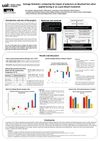 June 2017 in “University of the Arts London Research Online (University of the Arts London)”
 Polymers help reduce damage and improve bleached hair when used during or after bleaching.
 August 2021 in “Han'gug miyong haghoeji/Journal of the Korean society of cosmetology”
 Using natural polyphenol cross-linkers like tannic acid and green tea extract in perm treatments improves curling and protects hair.
35 citations
,
October 2005 in “European journal of pharmaceutics and biopharmaceutics” Polymers increased skin permeation and stability of steroid hormones in liposomal formulations.
March 2026 in “ACS Applied Bio Materials” The TO-TF copolymer strengthens damaged hair effectively and sustainably.
4 citations
,
January 2011 Phenylpropanoid sucrose esters show potential as anticancer agents.
 October 2022 in “Journal of Kermanshah University of Medical Sciences”
 Different substances can affect how well the skin absorbs minoxidil, a hair loss drug. Caprylic acid helps the skin absorb it the best, followed by propylene glycol and water.
5 citations
,
January 2011 in “International Journal of Cosmetic Science” 1,2,3,4-tetrahydroquinoline compounds are great for stable, pure blue hair dye.