 July 2016 in “Dermatologie pro praxi”
 Espumil foam base allows easy preparation of skin medications for hairy areas.
January 2026 in “SSRN Electronic Journal”  January 2026 in “Lithuanian University of Health Sciences”
 Methyl cellulose makes the most stable Equisetum arvense gel.
 February 2015 in “Journal of Biomedical Materials Research Part B: Applied Biomaterials”
 4-META resin heals skin wounds faster and better than cyanoacrylate.
71 citations
,
September 2013 in “Materials Science and Engineering C” Keratin-based hydrogels from human hair and wool are promising for wound dressings and are more eco-friendly.
 2 citations
,
March 2005 in “Journal of the American Academy of Dermatology”
2 citations
,
March 2005 in “Journal of the American Academy of Dermatology” Wigs are still a popular solution for hair loss to maintain a youthful look.
 August 2007 in “Contact Dermatitis”
 A woman had an allergic skin reaction to a hair loss treatment containing canrenone.
 August 2000 in “Australasian Journal of Dermatology”
 The document suggests "Occupational Skin Disease" is a useful standard text, finds "The Clinical Management of Itching" poorly organized, recommends "Atlas of Contact Dermatitis" for its illustrations, and values "Handbook of Diseases of the Hair and Scalp" for its information despite flaws.
 November 2023 in “Regenerative Biomaterials”
 The new adhesive seals wounds quickly, works well in wet conditions, and helps with healing.
 October 2023 in “Materials chemistry and physics (Print)”
 Adding keratin to a mix of cow hair and plant-based plastic makes it stronger.
The method effectively creates uniform, viable cell spheroids for 3D cell culture.
 150 citations
,
August 1992 in “Genes & Development”
150 citations
,
August 1992 in “Genes & Development” TNF alpha in skin cells causes weight loss, hair and fat issues, and skin inflammation in mice.
 122 citations
,
June 2002 in “Genes & Development”
122 citations
,
June 2002 in “Genes & Development” Keratin 17 is crucial for early hair strength and cell survival.
 104 citations
,
October 2016 in “PLoS ONE”
104 citations
,
October 2016 in “PLoS ONE” CRISPR/Cas9 gene editing in cashmere goats increases hair follicles and fiber length, boosting cashmere yield.
 68 citations
,
September 2018 in “International Journal of Molecular Sciences”
68 citations
,
September 2018 in “International Journal of Molecular Sciences” Air pollution (PM10) increases skin inflammation and aging by reducing collagen and may trigger a repair response in skin cells.
 53 citations
,
September 1999 in “The journal of cell biology/The Journal of cell biology”
53 citations
,
September 1999 in “The journal of cell biology/The Journal of cell biology” K16 can partially replace K14 but causes hair loss and skin issues.
 50 citations
,
July 2021 in “Nature Communications”
50 citations
,
July 2021 in “Nature Communications” The drug enzalutamide may reduce the ability of the virus causing COVID-19 to enter lung cells.
 45 citations
,
November 2017 in “Biomaterials”
45 citations
,
November 2017 in “Biomaterials” Researchers found a new way to create hair-growing structures in the lab that can grow hair when put into mice.
 45 citations
,
December 2006 in “Biopolymers”
45 citations
,
December 2006 in “Biopolymers” Permanent waving weakens hair by altering its protein structure.
 43 citations
,
September 2001 in “Scanning”
43 citations
,
September 2001 in “Scanning” Hair treatments like bleaching increase friction by exposing tiny pores on the hair surface.
 34 citations
,
October 1982 in “Journal of applied polymer science”
34 citations
,
October 1982 in “Journal of applied polymer science” Moisture content significantly affects how human hair breaks.
 31 citations
,
December 2010 in “Journal of the American Academy of Dermatology”
31 citations
,
December 2010 in “Journal of the American Academy of Dermatology” Loose anagen hair syndrome is caused by structural abnormalities in the hair follicle's inner root sheath.
 27 citations
,
August 1984 in “Experimental and Molecular Pathology”
27 citations
,
August 1984 in “Experimental and Molecular Pathology”  26 citations
,
March 2013 in “Journal of Biomedical Materials Research Part A”
26 citations
,
March 2013 in “Journal of Biomedical Materials Research Part A” Researchers created a 3D hydrogel that mimics human hair follicles, which may help with hair loss treatments.
 23 citations
,
January 2021 in “Scientific Reports”
23 citations
,
January 2021 in “Scientific Reports” Adding human blood vessel cells to hair follicle germs may improve hair growth and quality.
 23 citations
,
May 2005 in “British Journal of Cancer”
23 citations
,
May 2005 in “British Journal of Cancer” Plucked human hair can be used to study drug effects on certain cell markers.
 22 citations
,
May 2021 in “Nature Communications”
22 citations
,
May 2021 in “Nature Communications” Tissue stiffness affects hair follicle regeneration, and Twist1 is a key regulator.
 22 citations
,
September 2019 in “ACS omega”
22 citations
,
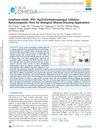
September 2019 in “ACS omega” The new nanocomposite films are stronger, protect against UV, speed up wound healing, and are antibacterial without being toxic.
 15 citations
,
August 2013 in “Stem Cells and Development”
15 citations
,
August 2013 in “Stem Cells and Development” The method increases stem-like cells for better skin regeneration.