Search
for
Sort by
Research
360-390 / 1000+ results
research 158 Novel effects of ivermectin in rosacea: reduction of erythema, flushing, skin texture, and invisible symptoms
Ivermectin 1% cream effectively reduces visible and invisible symptoms of rosacea.
research A Phase II Study of Vaginal Testosterone Cream (TEST) vs. Estring for Vaginal Dryness or Decreased Libido in Women with Early Stage Breast Cancer (BC) Treated with Aromatase Inhibitors (AIs).
Both vaginal testosterone cream and Estring effectively manage vaginal dryness in women with early-stage breast cancer on aromatase inhibitors.
research Thrombotic risk minimization for Diane‐35 and generics
The use of Diane-35 and its generics significantly decreased in the Netherlands.
research USE OF RITLECITINIB FOR THE TREATMENT OF ALOPECIA AREATA
Ritlecitinib effectively treats alopecia areata in patients 12 and older with fewer side effects.
research The Processed Radish Extract Melanogenesis in Humans and Induces Anti-Photoaging Effects in Ultraviolet B-Induced Hairless Mouse Model
Heated radish extract may help lighten skin and reduce aging signs.
research Ethosomes: New Prospects in Transdermal Delivery
Ethosomes can safely and effectively deliver various drugs deep into the skin.
research Drug eruptions in dermatology
Skin reactions to drugs are common and can be deadly, usually requiring stopping the drug and may be better prevented with genetic testing in the future.
research Epidermal Differentiation Complex: A Review on Its Epigenetic Regulation and Potential Drug Targets.
Understanding how EDC genes are regulated can help develop better drugs for skin diseases.

research Enhanced Differentiation Potential of Pigmented Human Epidermal Equivalents
PmtHEE is a better model for studying pigmented skin because it includes melanocytes and shows improved cell differentiation.
research Exploring in vitro markers of potency of extracellular vesicles from cardiosphere-derived cells in the treatment of cardiac ageing
Potent extracellular vesicles from cardiosphere-derived cells can improve heart health and other functions in aging.

research Efficacy of Compound GV-350 with Tricofer® Iron, Cystine and Biotin in the Management of Telogen Effluvium in Women with Iron Deficiency
GV-350 improves hair growth and quality of life in iron-deficient women without side effects.
research Drug Discovery Today: Therapeutic Strategies - 2006 Editorial
The 2006 editorial concluded that immunotherapy was advancing with new drugs, focusing on specific biological therapies and convenient oral treatments, and highlighted the importance of partnerships and new regulations in the field.
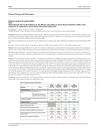
research P718 Observational real-world evidence on the efficacy and safety of Janus Kinase inhibitors (JAKi) in the treatment of moderate to severe Active Ulcerative Colitis (UC)
Janus Kinase inhibitors are effective and have an acceptable safety profile for treating moderate to severe Ulcerative Colitis.
research Skin reactions caused by epidermal growth factor receptor inhibitors and their management
EGFR inhibitors can cause skin issues, and managing these is important for treatment success.
research Integrated Safety Analysis of Ritlecitinib, an Oral JAK3/TEC Family Kinase Inhibitor, for the Treatment of Alopecia Areata from the ALLEGRO Clinical Trial Program
Ritlecitinib is safe and well-tolerated for treating alopecia areata in patients aged 12 and older.
research Profibrotic Molecules Are Reduced in CRISPR-Edited Emery–Dreifuss Muscular Dystrophy Fibroblasts
CRISPR gene editing reduces harmful molecules in cells from Emery–Dreifuss Muscular Dystrophy patients.
research Current Development of Mesenchymal Stem Cell-Derived Extracellular Vesicles
MSC-derived EVs show promise for therapy, but production and understanding need improvement.

research Global Research Trends in Extracellular Vesicle–Based Therapy for Regenerative Medicine: A Bibliometric Analysis (2014–2024)
EV-based therapies are advancing but need to overcome challenges for full potential.

research The Chinese State Food and Drug Administration has issued Sinovac Biotech a New Drug Certificate approving its split influenza vaccine
China approved Sinovac's flu vaccine, Japan approved RiUP for female hair loss, and Nippon Kayaku's three cancer drugs.
research Amphiregulin in Fibrotic Diseases and Cancer
Targeting amphiregulin may improve treatment for fibrosis and cancer.

research [Treatment of moderately severe virilism of women with Diane and Androcur 10].
Diane and Androcur 10 improved acne and seborrhea in most women, and hirsutism and alopecia in about half.
research Expanding the Clinical and Mutational Spectrum of Recessive AEBP1-Related Classical-Like Ehlers-Danlos Syndrome
The study concludes that mutations in the AEBP1 gene can cause a form of Ehlers-Danlos syndrome and should be considered in diagnosis.

research Successful management of severe alopecia areata and vitiligo using topical delgocitinib and a 308-nm excimer laser
Combining topical delgocitinib with a 308-nm excimer laser can effectively treat severe alopecia areata and vitiligo.
research Moving Beyond Boundaries: Utilization of Longitudinal Exposure–Response Model for Bounded Outcome Score to Inform Decision Making in the Accelerated Drug Development Paradigm
A 50 mg daily dose of ritlecitinib is effective for alopecia areata, with temporary treatment breaks up to 6 weeks not affecting results.
research Plant-derived extracellular vesicles delivered by microinfusion microneedling for androgenetic alopecia: a retrospective case series
Plant-derived vesicles via microneedling are safe and effective for hair loss treatment.
research A Comprehensive Review on Deep Eutectic Solvents and Its Use to Extract Bioactive Compounds of Pharmaceutical Interest
Deep eutectic solvents are eco-friendly and effective for extracting useful pharmaceutical compounds.
research 050 Evaluation of 3 month data for the use of erenumab for chronic migraine in Glasgow
Erenumab significantly reduced migraine days or severity in most patients after 3 months.
research Ethinylestradiol/salicylic acid/swertia japonica/tocopherol acetate
Two women had skin reactions from a hair loss treatment and got better after stopping use.
research Extracellular Vesicles in Skin: Biological Function and Therapeutic Potential
Extracellular vesicles can help treat skin issues like wounds, hair loss, aging, and inflammation.