 1 citations
,
November 2023 in “Indian Journal of Science and Technology”
1 citations
,
November 2023 in “Indian Journal of Science and Technology” Eclipta alba may improve memory and help treat Alzheimer's disease.
36 citations
,
September 1999 in “Journal of Cell Science” Basonuclin may help control ribosomal RNA gene activity in skin cells.
5 citations
,
September 2013  August 2023 in “Gastroenterology”
 A 78-year-old man with Cronkhite-Canada syndrome improved significantly after treatment and remains symptom-free.
1 citations
,
January 2014 in “Research Journal of Pharmacognosy and Phytochemistry” Hibiscus root extract reduces inflammation in rats.
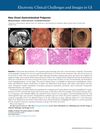 August 2013 in “Gastroenterology”
 A 60-year-old man with Cronkhite-Canada syndrome improved with treatment, but the condition has a high mortality rate and a risk of colorectal cancer.
 26 citations
,
September 1990 in “Ophthalmology”
26 citations
,
September 1990 in “Ophthalmology” The study found no common cause for a girl's crystalline cataract and uncombable hair, suggesting their co-occurrence might be coincidental.
July 2014 in “Planta Medica” Eclipta alba may help with antiaging by improving mitochondrial function.
 13 citations
,
June 2010 in “Journal of The American Academy of Dermatology”
13 citations
,
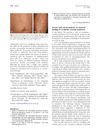
June 2010 in “Journal of The American Academy of Dermatology” A man with Cronkhite-Canada syndrome had all 20 nails detach but improved with treatment.
 14 citations
,
July 2012 in “Journal of the American Academy of Dermatology”
14 citations
,
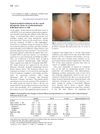
July 2012 in “Journal of the American Academy of Dermatology” Topical tacalcitol ointment can help improve symptoms of EFFC.
November 2020 in “Zenodo (CERN European Organization for Nuclear Research)”  February 2022 in “Research Journal of Biotechnology”
 Eclipta alba L. is a medicinal plant with many health benefits, including treating diseases and promoting hair growth.
2 citations
,
November 2009 in “DSpace (Federal University of Santa Catarina)” Brunfelsia uniflora has good antioxidant properties and moderate antibacterial activity.
 78 citations
,
June 2005 in “Annals of oncology”
78 citations
,
June 2005 in “Annals of oncology” Cetuximab can cause excessive eyelash growth.
 9 citations
,
July 2021 in “Dermatology and Therapy”
9 citations
,
July 2021 in “Dermatology and Therapy” New treatments for epidermolysis bullosa show promise in improving patients' lives, but a cure is still not available.
January 2018 in “Digital Commons - PCOM (Philadelphia College of Osteopathic Medicine)” Topical eflornithine effectively reduces unwanted facial hair in women with hirsutism for at least 6 months.

More research is needed to confirm the potential of various treatments, including Helichrysum plicatum, vitamins, bromelain, personalized medications, hydrogels, and bacteriophage therapy.
September 2017 in “Korean journal of acupuncture” Crataegi Fructus water extract may help treat hair loss.
July 2014 in “Americanae (AECID Library)” Tridax procumbens and Ouratea spectabilis can affect other plants' growth and have antioxidant benefits.
9 citations
,
February 2023 in “Medicine” Traditional Chinese medicine may help relieve symptoms of Cronkhite-Canada syndrome.
 1 citations
,
January 2020 in “International journal of research in pharmacy and chemistry”
1 citations
,
January 2020 in “International journal of research in pharmacy and chemistry” Eclipta alba has many health benefits and potential for medical and nutritional use.
 April 2023 in “Journal of Investigative Dermatology”
 Some patients who had a severe drug reaction developed long-term hair loss.
1 citations
,
January 2008  7 citations
,
July 2018 in “Biological & Pharmaceutical Bulletin”
7 citations
,
July 2018 in “Biological & Pharmaceutical Bulletin” Phyllanthus urinaria extract may help treat hair loss by blocking a hair-related enzyme.
 4 citations
,
September 2011 in “American Journal of Clinical Dermatology”
4 citations
,
September 2011 in “American Journal of Clinical Dermatology” Ethinylestradiol/chlormadinone acetate may be an effective and well-tolerated treatment for skin conditions caused by excess androgens.
 April 2023 in “Journal of Investigative Dermatology”
 Krox20 (Egr2) is important for the function of epithelial stem cells.
 July 2026 in “Archives of Dermatological Research”
 Adaptogenic herbs like ashwagandha, rhodiola, and schisandra may help treat stress-related skin issues.
July 2023 in “Cosmoderma” September 2025 in “Journal of the American Academy of Dermatology” Deuruxolitinib improves anxiety and depression in severe alopecia areata patients.