 August 2023 in “Journal of Cosmetic Dermatology”
 Exosomes from hair papilla cells and the Chinese medicine Liao Tuo Fang can potentially promote hair growth and could be used to develop hair growth drugs.
 3 citations
,
January 2021 in “Plastic and Aesthetic Research”
3 citations
,
January 2021 in “Plastic and Aesthetic Research” Hair loss reduces hair thickness and coverage, but drug treatments mainly revive dormant hairs rather than reverse thinning; patients often undervalue their hair loss severity.
 October 2023 in “Acta dermato-venereologica”
 Minoxidil and platelet-rich plasma can help turn thin hair into thicker hair in male pattern baldness.
January 2006 in “Chinese Journal of Dermatology” Latanoprost helps pig hair follicles grow faster by keeping them in the growth phase longer.
 65 citations
,
July 2020 in “Science Advances”
65 citations
,
July 2020 in “Science Advances” Dermal exosomes with miR-218-5p boost hair growth by controlling β-catenin signaling.
September 2025 in “OPAL (Open@LaTrobe) (La Trobe University)” The treatments stopped hair regrowth in mice.
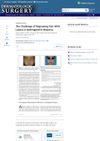 November 2023 in “Dermatologic Surgery”
 Lasers might help regrow hair in people with hair loss due to genetics.
January 1974 in “Almogaren” A new method shows promise for regenerating hair follicles to treat hair loss.
Latanoprost increases VEGF protein in human cells, which may help hair growth.
 9 citations
,
October 2018 in “Journal of Cosmetic and Laser Therapy”
9 citations
,
October 2018 in “Journal of Cosmetic and Laser Therapy” Using methods like lasers and microneedling with drugs can improve hair regrowth for alopecia, but more research is needed on safety and best practices.
March 2026 in “International Journal of Biological Macromolecules” Recombinant Filaggrin-2 microneedles effectively promote hair growth and repair in hair loss.
1 citations
,
June 1999 in “The American Journal of Cosmetic Surgery” The simplified eyebrow transplant technique is safe, effective, and looks natural.
71 citations
,
October 2017 in “Journal of Investigative Dermatology” PPAR-γ agonists like pioglitazone may help manage lichen planopilaris but don't fully reverse scarring.
18 citations
,
January 2023 in “Nano Research” Red OLED therapy significantly boosts hair growth.
3 citations
,
January 2018 in “BIO-PROTOCOL” Hair follicle stem cells can be transplanted onto the eye using a fibrin carrier to help repair eye damage.
 6 citations
,
April 2010 in “Journal of Dermatological Science”
6 citations
,
April 2010 in “Journal of Dermatological Science” Laminin-511 may help promote hair growth, while laminin-332 does not affect hair loss.
 81 citations
,
July 2011 in “Lasers in Medical Science”
81 citations
,
July 2011 in “Lasers in Medical Science” The Lexington LaserComb helped regrow hair in mice with a condition similar to human hair loss.
 8 citations
,
January 2015 in “Clinical and Experimental Dermatology”
8 citations
,
January 2015 in “Clinical and Experimental Dermatology” A new model for hair regeneration in mice was created in 2015, which is faster and less invasive than the old method, producing normal hairs in about 21 days.
January 2013 in “Seoul National University Open Repository (Seoul National University)” Epidermal growth factor helps hair regrow after chemotherapy.
 August 2012 in “Nature Cell Biology”
 Hair grows when stem cell offspring in the follicle base proliferate, influenced by the dermal papilla.
154 citations
,
October 1996 in “Proceedings of the National Academy of Sciences of the United States of America” Estrogen affects hair growth and skin cell multiplication.
4 citations
,
July 2019 in “Journal of cosmetic dermatology” Both 0.01% and 0.03% bimatoprost safely improve eyebrow fullness, with a patient preference for the 0.03% concentration.
 January 2018 in “journal of applied pharmaceutical science”
 Nettle juice gel may help treat hair loss by improving blood flow and promoting new hair growth.
5 citations
,
February 1985 in “Archives of Dermatology” Topical minoxidil can help regrow hair in some people.
 7 citations
,
May 2013 in “PubMed”
7 citations
,
May 2013 in “PubMed” A new hair loss treatment with two unique ingredients improved hair growth.
Nano-liposome-bound EGF can delay hair growth in rats.
 July 2024 in “Pharmaceutics”
 The new hydrogel treatment promotes faster hair growth and better skin health for hair loss.
February 2026 in “Trends in Sciences” i-PRF-derived exosomes can effectively promote hair growth and improve hair health in androgenetic alopecia.
 35 citations
,
July 2018 in “Cell Reports”
35 citations
,
July 2018 in “Cell Reports” The study found that a specific area of the hair follicle helps start hair growth by reducing the blocking effects on certain cells and controlling growth signals.
 44 citations
,
July 2016 in “Stem Cells Translational Medicine”
44 citations
,
July 2016 in “Stem Cells Translational Medicine” Scientists discovered that certain stem cells from mice and humans can be used to grow new hair follicles and skin glands when treated with a special mixture.