 1 citations
,
March 2026 in “American Journal of Clinical Dermatology”
1 citations
,
March 2026 in “American Journal of Clinical Dermatology” Ritlecitinib effectively regrows hair in severe alopecia areata, especially in adolescents.
 1 citations
,
June 2023 in “American Journal of Clinical Dermatology”
1 citations
,
June 2023 in “American Journal of Clinical Dermatology” Baricitinib helps regrow hair in severe alopecia areata but has side effects like infections and headaches.
1 citations
,
July 2022 in “Bali Medical Journal” A combination of cyclosporine and oral corticosteroid successfully regrew hair in a 19-year-old with alopecia universalis.
1 citations
,
May 2022 in “British Journal of Dermatology” The instruments are valid but don't fully capture the emotional impact on adolescents with alopecia areata.
 1 citations
,
March 1989 in “The BMJ”
1 citations
,
March 1989 in “The BMJ” A woman's hair grew back while she was taking sulphasalazine for arthritis.
 1 citations
,
August 2023 in “JAMA Dermatology”
1 citations
,
August 2023 in “JAMA Dermatology” Increasing the dose of baricitinib to 4 mg helps more patients with severe alopecia areata regrow hair.
1 citations
,
January 2023 in “Skin Appendage Disorders” Radiofrequency devices can help remove or grow hair, but more research is needed.
 1 citations
,
September 2021 in “CRC Press eBooks”
1 citations
,
September 2021 in “CRC Press eBooks” Frontal Fibrosing Alopecia is a hair loss condition mainly affecting postmenopausal women, with unclear causes and various clinical patterns.
1 citations
,
November 2018 FUE is a minimally invasive hair transplant method using various donor sites.
1 citations
,
April 2015 in “International Journal of Pediatrics and Adolescent Medicine” Cyclosporine-A can cause excessive hair growth, which usually stops after discontinuing the drug.
January 2025 in “The Journal of Dermatology” Patients prefer the higher 50 mg dose of ritlecitinib for better hair regrowth despite higher risks.
January 2025 in “Medical Research Archives” A new classification and scoring system is needed for alopecia areata to better assess severity.
 September 2024 in “Drugs & Therapy Perspectives”
 Ritlecitinib effectively regrows hair in severe alopecia areata and is well tolerated.
 April 2024 in “Authorea (Authorea)”
 Stopping heptaminol medication reversed hair color loss in a patient on dialysis.
 March 2024 in “International Journal of Dermatology”
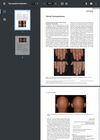
 Baricitinib improved nail condition and hair regrowth in a patient with alopecia and nail abnormalities.
August 2023 in “Farmacja Polska” Hair loss significantly lowers quality of life for cancer patients.
 June 2023 in “British Journal of Dermatology”
 Baricitinib was effective in treating severe and very severe alopecia areata after 52 weeks.
 January 2022 in “Open Access Macedonian Journal of Medical Sciences”
 A 5-year-old boy with alopecia totalis had temporary hair regrowth with treatment but relapsed, highlighting the need for thorough investigation and holistic care.
 January 2021 in “Our Dermatology Online”
 Oral tofacitinib successfully treated total body hair loss in one patient.
 January 2021 in “Anais do Congresso Brasileiro de Reumatologia 2020”
 Tofacitinib improved arthritis and partially improved hair loss in a lupus patient without side effects.
 April 2020 in “International journal of research in dermatology”
 An 8-year-old girl has a rare, irreversible hair loss condition caused by a genetic mutation.
March 2020 in “Revista Eletrônica da Faculdade de Ceres” Latanoprost's effectiveness for hair growth is not confirmed but shows promise, needing more research.
 January 2020 in “International Journal of PharmTech Research”
 A man with severe leprosy developed painless ulcers and numbness, treated successfully with multiple drugs and vitamins.
 April 2016 in “Journal of the American Academy of Dermatology”
 Tofacitinib helped a person with total body hair loss grow hair again without bad side effects.
January 2005 in “Lithuanian University of Health Sciences” Hair loss may be linked to imbalances in trace elements.
 February 2026 in “Reports — Medical Cases Images and Videos”
 Upadacitinib may help regrow hair in children with alopecia areata and is generally safe.
February 2026 in “The Journal of Dermatology” Ritlecitinib effectively regrows scalp, eyebrow, and eyelash hair in Asians with alopecia areata and is safe.
 August 2025 in “American Journal of Clinical Dermatology”
 Clinicians should use evidence-based tools and consider mental health when assessing alopecia areata to guide treatment.
 January 2025 in “Dermatologic Therapy”
 Baricitinib effectively promotes hair regrowth in alopecia areata patients with mild side effects.
 October 2024 in “Open Repository of the University of Porto (University of Porto)”
 Pharmacists play a crucial role in improving treatment outcomes and staying updated on various health conditions.