 May 2025 in “Journal of Inflammation Research”
 A combination of ixekizumab and tofacitinib successfully treated severe scalp cellulitis, leading to hair regrowth.
2 citations
,
January 2006 in “Indian Journal of Veterinary Pathology” Trichophyton mentagrophytes causes skin issues and nutrient deficiencies in young sheep, especially in winter.
 July 2018 in “British Journal of Dermatology”
 Hair regrowth was seen in 83% of children with alopecia, immune system plays a role in the condition, and various treatments showed effectiveness for hair and nail disorders.
25 citations
,
April 2008 in “Clinical and experimental dermatology” EFFC might be common but underreported.
 5 citations
,
January 2021 in “Inflammatory Bowel Diseases”
5 citations
,
January 2021 in “Inflammatory Bowel Diseases” Tofacitinib improved ulcerative colitis, skin ulcers, and hair loss in a patient who didn't respond well to other treatments.
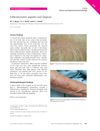 May 2014 in “Clinical and Experimental Dermatology”
 A 70-year-old woman with a rare skin condition improved after treatment with topical steroids and acitretin.
10 citations
,
May 2020 in “Dermatologic therapy” Tildrakizumab significantly improved recalcitrant lichen planopilaris and frontal fibrosing alopecia.
 November 2024 in “PubMed”
 Terbinafine can cause skin reactions when exposed to sunlight, so sun exposure should be avoided during treatment.
15 citations
,
January 2015 in “Skin Appendage Disorders” Increased scalp sweating in frontal fibrosing alopecia may be linked to local skin inflammation.
March 2026 in “Journal of Burn Care & Research” Folliculitis and pseudofolliculitis barbae are common but often overlooked issues in burn survivors, needing better awareness and treatment strategies.
1 citations
,
September 2023 in “Portuguese Journal of Dermatology and Venereology” Trichoscopy can help diagnose and decide when to biopsy folliculotropic mycosis fungoides.
April 2026 in “Journal of Cutaneous Pathology” Alopecia can be caused by multicentric reticulohistiocytosis.
January 2022 in “Clinical Cases in Dermatology” A 47-year-old man was diagnosed with a specific type of hair loss and advised to use certain medications and avoid hair transplants.
4 citations
,
May 2009 in “Clinical and experimental dermatology” Flexural follicular lichen planus is a rare skin condition affecting body folds.
 3 citations
,
February 2024 in “Journal of the American Academy of Dermatology”
3 citations
,
February 2024 in “Journal of the American Academy of Dermatology” Topical tofacitinib cream may help treat certain hair loss conditions with fewer risks.
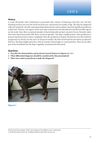 May 2019 in “Small Animal Dermatology”
 The dog has Color Dilution Alopecia, causing hair loss and increased risk of skin infections.
July 2022 in “British Journal of Dermatology”  4 citations
,
May 2019 in “Journal of The European Academy of Dermatology and Venereology”
4 citations
,
May 2019 in “Journal of The European Academy of Dermatology and Venereology” Hair loss treatment caused more hair loss in a man.
2 citations
,
November 1955 in “Archives of dermatology” Cortisone and ACTH didn't help her hair or nails, but her hair grew back on its own.
 January 2025 in “Journal of Clinical Medicine”
 Unsanitary barber practices can spread scalp infections, treatable with oral antifungals.
February 2025 in “Journal of the European Academy of Dermatology and Venereology” Mogamulizumab can cause hair loss, often linked to a better treatment response.
 60 citations
,
March 2014 in “Veterinary dermatology”
60 citations
,
March 2014 in “Veterinary dermatology” Cats with atopic dermatitis often have severe, year-round itching and respond well to certain treatments.
October 2025 in “Indian Dermatology Online Journal” Kitchen analogies help make skin conditions easier to understand and remember.
 January 2018 in “Our Dermatology Online”
 Trichomycosis axillaris is a treatable bacterial infection of underarm hair.
54 citations
,
November 1986 in “Journal of the American Academy of Dermatology” Generalized trichoepitheliomas with hair loss may indicate myasthenia gravis.
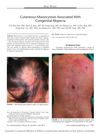 3 citations
,
February 2012 in “The American Journal of Dermatopathology”
3 citations
,
February 2012 in “The American Journal of Dermatopathology” A 3-year-old girl with skin mast cell buildup and congenital baldness improved with treatment, suggesting a rare link between these conditions.
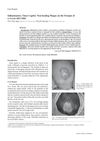 11 citations
,
May 2010 in “Annals of the Academy of Medicine Singapore”
11 citations
,
May 2010 in “Annals of the Academy of Medicine Singapore” Tinea capitis can cause scalp issues in children and should be considered in similar cases; treatment with griseofulvin and selenium sulfide is effective.
 August 2018 in “Journal of Investigative Dermatology”
 A woman with dermatomyositis improved after treatment for neck panniculitis, suggesting similar treatment for related conditions.
13 citations
,
August 1991 in “The Journal of the American Osteopathic Association” Inflammation may play a role in causing androgenetic alopecia.
22 citations
,
January 2020 in “Veterinary dermatology” The conclusion is that certain dog and cat breeds are prone to Malassezia dermatitis, which can be diagnosed with skin tests and treated with antifungal shampoos or medications, and preventing relapses involves managing underlying issues and maintaining good hygiene.