
Frontal fibrosing alopecia in men is often misdiagnosed and needs better diagnostic criteria and treatments.
 April 2026 in “Zenodo (CERN European Organization for Nuclear Research)”
 The model improves understanding of androgen interactions by focusing on signal intensity and system capacity.
January 2013 in “Chinese Journal of Dermatovenereology of Integrated Traditional and Western Medicine” YiFa compound serum may help treat hair loss by boosting hair follicle stem cell activity.
21 citations
,
October 2007 in “Journal of Investigative Dermatology” Fetuin-A helps wounds heal without scars by promoting cell movement.
 8 citations
,
September 2011 in “European Journal of Dermatology”
8 citations
,
September 2011 in “European Journal of Dermatology” Most treatments for Frontal Fibrosing Alopecia are ineffective, but early anti-inflammatory therapy may help and the condition may stabilize over time.
February 2026 in “Indian Dermatology Online Journal” Tofacitinib significantly improved skin and hair conditions without side effects.
 40 citations
,
September 2018 in “Journal of the American Academy of Dermatology”
40 citations
,
September 2018 in “Journal of the American Academy of Dermatology” Tofacitinib helped some young children with severe hair loss grow their hair back without bad side effects.
16 citations
,
October 2013 in “Irish Veterinary Journal” Oral feline interferon-omega improved symptoms in diabetic cats with gingivostomatitis.
21 citations
,
March 2018 in “JEADV. Journal of the European Academy of Dermatology and Venereology/Journal of the European Academy of Dermatology and Venereology” 5-alpha-reductase inhibitors may help stabilize or slow down hair loss in some frontal fibrosing alopecia patients, but more research is needed to confirm their effectiveness and safety.
 98 citations
,
January 2013 in “Journal of The American Academy of Dermatology”
98 citations
,
January 2013 in “Journal of The American Academy of Dermatology” Dutasteride may help stabilize Frontal Fibrosing Alopecia, but more research is needed.
1 citations
,
February 2025 in “Pediatric Dermatology” Tofacitinib helps hair regrow in some kids with severe alopecia areata, but more research is needed on long-term effects.
 46 citations
,
January 2015 in “Journal of The American Academy of Dermatology”
46 citations
,
January 2015 in “Journal of The American Academy of Dermatology” Trichoscopy helps diagnose and assess the severity of Frontal Fibrosing Alopecia.
 May 2026 in “International Journal of Drug Delivery Technology”
 Accurate diagnosis of EFFC is crucial for effective counseling and cosmetic care.
 January 2024 in “Dermatologic therapy”
 Tofacitinib is a safe treatment for hair loss in children, but long-term use may be needed for best results.
136 citations
,
July 2014 in “Proceedings of the National Academy of Sciences of the United States of America” FGF5 gene mutations cause unusually long eyelashes by affecting hair growth regulation.
 17 citations
,
January 2019 in “Dermatologic Therapy”
17 citations
,
January 2019 in “Dermatologic Therapy” Tofacitinib is effective and safe for long-term treatment of severe alopecia areata, with many patients achieving complete hair regrowth.
 October 2024 in “International Journal of Research in Dermatology”
 Tofacitinib is a promising and safe treatment for moderate to severe alopecia areata.
27 citations
,
September 2013 in “The FASEB Journal” Losing Memo protein shortens lifespan and affects health.
 3 citations
,
January 2019 in “Bulgarian Journal of Veterinary Medicine”
3 citations
,
January 2019 in “Bulgarian Journal of Veterinary Medicine” The cat was put to sleep due to recurring infections.
 134 citations
,
June 2012 in “International Journal of Oral and Maxillofacial Surgery”
134 citations
,
June 2012 in “International Journal of Oral and Maxillofacial Surgery” Facial feminization surgery is effective in helping transgender women appear more feminine and has high patient satisfaction.
January 2020 in “JAAD case reports” Hair loss condition FFA was seen before the appearance of skin depigmentation vitiligo in a patient.
 30 citations
,
December 2017 in “Journal of The American Academy of Dermatology”
30 citations
,
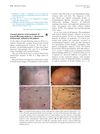
December 2017 in “Journal of The American Academy of Dermatology” New criteria for diagnosing frontal fibrosing alopecia include specific scalp and eyebrow hair loss as major factors and other hair loss areas and hair analysis as minor factors.
 18 citations
,
June 2017 in “Journal of The American Academy of Dermatology”
18 citations
,
June 2017 in “Journal of The American Academy of Dermatology” Trichoscopy helps diagnose frontal fibrosing alopecia, even with unusual patterns.
August 2025 in “Cosmetics” Cosmeceuticals like sunscreens may trigger frontal fibrosing alopecia, but more research is needed.
 2 citations
,
April 2023 in “Cutis”
2 citations
,
April 2023 in “Cutis” More inclusive research is needed to effectively treat frontal fibrosing alopecia in Black patients.
3 citations
,
January 2025 in “Journal of the American Academy of Dermatology” Early diagnosis and a multidisciplinary approach are crucial for managing Frontal Fibrosing Alopecia.
 March 2025 in “International Journal of Trichology”
 FAPD in children may not depend on androgens and should be treated with anti-inflammatory measures and minoxidil.
 September 2024 in “Skin Appendage Disorders”
 Tofacitinib helped a woman regrow her hair without relapses after other treatments failed.
 1 citations
,
July 2020 in “Benha Journal of Applied Sciences”
1 citations
,
July 2020 in “Benha Journal of Applied Sciences” Trichoscopy is useful for diagnosing Frontal Fibrosing Alopecia.
 November 2023 in “The journal of investigative dermatology/Journal of investigative dermatology”
 Early treatment and multidisciplinary care are key to managing Frontal Fibrosing Alopecia and preventing further hair loss.