1 citations
,
June 2020 in “Unisa Institutional Repository (University of South Africa)” Low power red laser with efavirenz can reduce HIV-1 infection to undetectable levels and improve diagnosis.
April 2021 in “Journal of Investigative Dermatology”  1 citations
,
May 2023 in “Journal of neuroendocrinology”
1 citations
,
May 2023 in “Journal of neuroendocrinology” DAVID syndrome is a condition with immune system and hormone deficiencies, needing early diagnosis to avoid serious complications.
January 2014 in “Redalyc (Universidad Autónoma del Estado de México)” A Persian cat had a rare skin condition that didn't improve with treatment.
 11 citations
,
September 1999 in “Journal of the European Academy of Dermatology and Venereology”
11 citations
,
September 1999 in “Journal of the European Academy of Dermatology and Venereology” Immunomodulatory therapies are effective for treating cutaneous lymphoma, particularly in early stages.
 13 citations
,
September 2019 in “Scientific Reports”
13 citations
,
September 2019 in “Scientific Reports” High levels of the protein Flightless I worsen ulcerative colitis symptoms in mice.
January 2011 in “Anhui nongye kexue” The vector successfully directed specific gene expression in hair follicles.
 37 citations
,
October 2017 in “Clinical and Experimental Dermatology”
37 citations
,
October 2017 in “Clinical and Experimental Dermatology” Oral tofacitinib shows promise in treating atopic dermatitis and alopecia areata, but only slight improvement in vitiligo.
 June 2017 in “Acta Scientiae Veterinariae”
 A cat with a rare pancreatic tumor and diabetes died despite treatment, showing similar symptoms to a human condition.
 15 citations
,
December 2014 in “PLoS ONE”
15 citations
,
December 2014 in “PLoS ONE” A mutation in the iRhom2 gene causes hairless mice due to abnormal hair follicle development.
 1 citations
,
January 2016 in “Case Reports in Clinical Medicine”
1 citations
,
January 2016 in “Case Reports in Clinical Medicine” Hair loss in HIV patients should be tested for syphilis as well.
 March 2024 in “Clinical, cosmetic and investigational dermatology”
 Tofacitinib successfully treated vitiligo in a patient with lupus without side effects.
4 citations
,
October 1993 in “Journal of the American Academy of Dermatology” Azelaic acid's effectiveness in treating certain skin conditions needs more research.
 9 citations
,
January 2020 in “Critical Reviews in Immunology”
9 citations
,
January 2020 in “Critical Reviews in Immunology” MAIT cells may help fight COVID-19 but also contribute to severe inflammation.
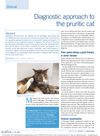 September 2013 in “The veterinary nurse”
 Finding the cause of a cat's itchiness requires a careful process and good communication with the owner.
 February 2025 in “Veterinary Clinical Pathology”
 The ferret had a malignant apocrine gland tumor and did not survive surgery.
28 citations
,
May 2000 in “Proceedings of the National Academy of Sciences” The Walleye dermal sarcoma virus cyclin causes excessive skin cell growth in mice.
 June 2022 in “bioRxiv (Cold Spring Harbor Laboratory)”
 ILC1-like cells can cause alopecia areata by attacking hair follicles.
 1 citations
,
December 2004 in “Hepatology”
1 citations
,
December 2004 in “Hepatology” Tenofovir is more effective than adefovir for resistant hepatitis B, Fibroscan is good for assessing liver damage, regulatory T cells may help hepatitis C persist, and other insights into liver health and disease were found.
March 2026 in “Journal for ImmunoTherapy of Cancer” Long-term data and a team approach are needed to manage chronic side effects from cancer treatments.
 6 citations
,
January 2013
6 citations
,
January 2013 Hyperadrenocorticism in ferrets is linked to neutering and indoor housing, and is best treated with surgery and a deslorelin implant.
8 citations
,
July 1983 in “Veterinary Quarterly” Ketoconazole effectively treats skin fungus in cats and dogs with minimal side effects.
77 citations
,
June 2002 in “Journal of Investigative Dermatology” CD44 variant changes start alopecia areata, but don't maintain it.
1 citations
,
April 2024 in “Journal of Cutaneous Pathology” Recurrent NICF is a rare skin condition with unclear causes, involving follicle inflammation and crystal deposits.
16 citations
,
January 2019 in “Aging” Lack of functional CYLD in mice leads to early aging and cancer.
2 citations
,
September 2017 in “Journal of Zoo and Wildlife Medicine” An addax had skin cancer that spread to lymph nodes and was euthanized.
 1 citations
,
November 2016 in “International Journal of Research in Dermatology”
1 citations
,
November 2016 in “International Journal of Research in Dermatology” The study found no significant link between the symptoms, tissue analysis, and immunofluorescence results in scarring hair loss conditions.
 March 2026 in “Buletin Veteriner Udayana”
 The cat's hair loss and skin issues improved with less stress and more owner attention.
July 2026 in “The Journal of Immunology” The study maps immune changes in mice with alopecia areata to better understand and treat the disease in humans.