7 citations
,
December 2023 in “International Journal of Molecular Sciences” Forsythiaside A helps protect cells and liver from damage by reducing oxidative stress and boosting antioxidants.
 January 2025 in “Acta Dermatovenerologica Alpina Pannonica et Adriatica”
 Iron deficiency is linked to hair loss in adolescents, especially females, in northern Sudan.
January 2012 in “Chinese Clinical Oncology” Disodium folinate can safely and effectively replace calcium folinate in colorectal cancer treatment.
 21 citations
,
April 2010 in “Molecular Medicine Reports”
21 citations
,
April 2010 in “Molecular Medicine Reports” Zinc supplementation may help improve treatment outcomes for chronic hepatitis C.
May 2021 in “FEBS open bio”  January 2026 in “Frontiers in Materials”
 Metal-organic frameworks help heal wounds by effectively delivering medicine.
5 citations
,
January 1964 in “Naunyn-Schmiedeberg s Archives of Pharmacology” Iodine is absorbed by hair just below the skin surface.
1 citations
,
April 2021 in “Nepal journal of dermatology, venereology & leprology” Iron profile tests are recommended for women with hair loss, as haemoglobin levels alone are not reliable.
109 citations
,
January 1980 in “Science of the total environment” Analyzing trace elements in human hair is complex and needs a standardized method.
 January 2024 in “Research Square (Research Square)”
 A specially designed molybdenum oxide nanozyme can treat and monitor acute kidney injury effectively.
 26 citations
,
June 2020 in “Polymers”
26 citations
,
June 2020 in “Polymers” Microneedle made of iron oxide and PVA helps hair regrowth in alopecia treatment.
14 citations
,
February 2014 in “Nutrition in Clinical Practice” Use oral or enteral nutrition when possible and reserve IV trace elements for those who truly need them.
3 citations
,
September 2023 in “Journal of Photochemistry and Photobiology A Chemistry” 23 citations
,
November 1964 in “Journal of Dairy Science” High molybdenum and sulfate sulfur levels can cause health issues in cattle, but adding copper helps.
30 citations
,
November 1985 in “American Journal of Veterinary Research” Switch hair can indicate magnesium and copper levels in beef cows.
January 2012 in “Trace Elements Science” Lead pollution from the mine harms children's IQ, growth, and health.
 June 2026 in “The Russian Archives of Internal Medicine”
 Thallium poisoning can be treated successfully with the right antidote.
February 2022 in “Book Publisher International (a part of SCIENCEDOMAIN International)” Human blood can transfer energy to hair follicles through a glass barrier.
 January 2024 in “International journal of chemical research and development (Print)”
 Low levels of vitamin B12, iron, ferritin, and zinc are linked to hair loss in Iraqi women.
January 2022 in “Indian journal of paediatric dermatology” Children with early graying hair might have lower levels of certain nutrients like zinc, magnesium, and Vitamin B12.
 May 2026 in “International Journal of Molecular Sciences”
 Lactoferrin may improve hair and skin health by reducing inflammation and promoting healing.
 January 2019 in “Springer Reference Medizin”
 Follicle Stimulating Hormone is important for fertility.
 30 citations
,
December 2019 in “PLoS ONE”
30 citations
,
December 2019 in “PLoS ONE” The new delivery system improved raloxifene's skin absorption and effectiveness against cancer cells.
6 citations
,
September 1957 in “Poultry Science” Adding copper helps turkey poults grow better when molybdenum is present.
March 2015 in “Institutional Repositories DataBase (IRDB)” 1 citations
,
September 2008 in “International Journal of Cosmetic Science” Using chelants in hair dye reduces fiber damage by preventing harmful radicals.
19 citations
,
October 2016 in “Nutrition in clinical practice” Use oral or enteral supplements when possible and reserve IV trace elements for those solely dependent on PN.
 44 citations
,
February 2016 in “Science”
44 citations
,
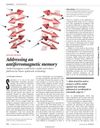
February 2016 in “Science” Researchers developed a new type of memory using antiferromagnets that is stable, not disrupted by magnets, and works at room temperature.
May 2021 in “Indian journal of forensic medicine and toxicology” Low levels of iron and vitamin D might be linked to chronic hair loss in women.

Exposure to toxic elements like mercury and lead may be linked to autism, and a higher zinc to copper ratio might help protect against it.