April 2021 in “The journal of investigative dermatology/Journal of investigative dermatology” CTCF protein is essential for skin and hair follicle development in mice.
36 citations
,
February 1998 in “Journal of Anatomy” Fibre optic confocal imaging can visualize skin layers, blood vessels, and nerves in live mice.
1 citations
,
July 2025 in “Functional Foods in Health and Disease” CL22209, an Asparagus racemosus extract, safely reduces perimenopausal symptoms and balances hormones.
 1 citations
,
October 2021 in “Bioactive compounds in health and disease”
1 citations
,
October 2021 in “Bioactive compounds in health and disease” Hibiscus anthocyanins help protect the liver and improve antioxidants in diabetic rats.
1 citations
,
February 2024 in “Journal of the European Academy of Dermatology and Venereology” Certain genetic factors may contribute to frontal fibrosing alopecia in Brazil.
 September 2025 in “Dietary Supplements and Nutraceuticals”
 Cerebronal® may help improve certain brain health markers.
January 1982 in “Clinical Cosmetic and Investigational Dermatology” Familial dyskeratotic comedones are a rare, inherited skin condition that is hard to treat but may improve slightly with topical retinoids and urea cream.
March 2021 in “Arrow - TU Dublin (Technological University Dublin)” The folate-cyclodextrin conjugate targets cancer cells more precisely, potentially reducing chemotherapy side effects.
April 2019 in “Journal of Investigative Dermatology” Frontal Fibrosing Alopecia involves disrupted cholesterol pathways, fibrosis, and increased mast cells.
3 citations
,
April 2018 in “Journal of Investigative Dermatology” CCCA may be a fibroproliferative disorder, and anti-fibrotic therapies could help.
4 citations
,
November 2020 in “Case reports in dermatology” A rare skin condition causes red, dark, bumpy facial lesions.
 January 2025 in “Cell Communication and Signaling”
 CXXC5 can both suppress and promote cancer, making it a complex target for treatment.
21 citations
,
August 2002 in “British Journal of Ophthalmology” Intralesional cidofovir may be a viable alternative treatment for SCC.
 16 citations
,
April 2017 in “Journal of Cosmetic Dermatology”
16 citations
,
April 2017 in “Journal of Cosmetic Dermatology” Ficus carica leaf extract may help treat skin disorders by reducing inflammation and androgen effects in skin cells.
 14 citations
,
June 2021 in “British journal of dermatology/British journal of dermatology, Supplement”
14 citations
,
June 2021 in “British journal of dermatology/British journal of dermatology, Supplement” Experts agreed on guidelines to improve research on Frontal Fibrosing Alopecia.
226 citations
,
May 2004 in “Journal of Biological Chemistry” Collagen XXII is a marker for tissue junctions, aiding in structural integrity and found in muscles, heart, skin, and arthritic joints.
1 citations
,
January 2025 in “Reproductive Biology and Endocrinology” Cell-free fat extract may boost IVF success in older women with past failures.
72 citations
,
November 2000 in “Archives of Dermatology” Excision with primary closure is an excellent treatment for extensive acne keloidalis nuchae.
45 citations
,
November 2024 in “International Journal of Molecular Sciences” Functional foods and nutrients like flavonoids, vitamin D, omega-3s, and probiotics can boost brain health and reduce stress.
42 citations
,
January 2014 in “BMC Genomics” Cetaceans lost hair genes to adapt to water.
11 citations
,
March 2023 in “Frontiers in Nutrition” Hair analysis can detect small changes in dietary zinc intake.

Chirality influences the structure, strength, and biological uses of peptide-based hydrogels.
 January 2023 in “International Journal of Molecular Sciences”
 Maxillariinae orchids contain 62 compounds with potential health benefits, including treating skin conditions and diseases like cancer and diabetes.
 November 2022 in “International Journal of General Medicine”
 Women with Polycystic Ovary Syndrome are more likely to have Non-Alcoholic Fatty Pancreas Disease, which is associated with older age, metabolic syndrome, insulin resistance, and high male hormone levels.
4 citations
,
August 2023 in “Biomedicine & Pharmacotherapy” Ivacaftor can protect against noise-induced hearing loss by reducing oxidative stress.
 March 2026 in “Dermatology Online Journal”
 Cystic panfolliculoma is a rare, harmless tumor that can be confused with other skin tumors.
 July 2023 in “British journal of dermatology/British journal of dermatology, Supplement”
 Skin tumors with CYLD cutaneous syndrome show more NF-κB activity and less organized collagen.
2 citations
,
June 2024 in “Skin Appendage Disorders” Trichoscopy helps diagnose frontal fibrosing alopecia in Caucasians, but more research is needed.
3 citations
,
January 2017 in “Acta Dermato Venereologica” Lipid-antigen stimulation may play a role in folliculotropic mycosis fungoides.
 14 citations
,
July 2012 in “Journal of the American Academy of Dermatology”
14 citations
,
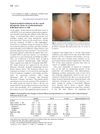
July 2012 in “Journal of the American Academy of Dermatology” Topical tacalcitol ointment can help improve symptoms of EFFC.