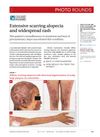
 March 2022 in “The Journal of Family Practice”
 Following treatment plans is crucial to prevent worsening skin and hair conditions.
 January 2022 in “European Journal of Gynaecological Oncology”
 Topical imiquimod use for treating a cervical lesion might cause delayed hair loss.
 January 2022 in “Asian journal of Current Research in Clinical Cancer”
 Some dibenzo compounds might help treat cancer with fewer side effects.
 October 2021 in “Revista Medicina Cutánea Ibero-Latino-Americana”
 PRIDE syndrome helps identify skin side effects from EGFR inhibitors like erlotinib.
 July 2021 in “World journal of plastic surgery”
 Hair transplantation is effective for treating scar-related hair loss on the head and neck.
July 2021 in “Physiology and Pharmacology” Umbilical cord masks can help reduce melasma in postpartum women.

The ketogenic diet might improve certain skin conditions, but more research is needed to confirm its effectiveness.
A girl with Crohn's disease developed hair loss due to her increased medication, a rare side effect seen in some children.
The guide suggests using keratin fibers and wigs to help hair look thicker or hide hair loss.
 March 2021 in “Revista Medicina Cutánea Ibero-Latino-Americana”
 Trichoscopy helps diagnose scarring alopecia early and non-invasively.
 January 2021 in “Research journal for veterinary practitioners”
 The document does not determine if essential fatty acids improve rabbit skin health.
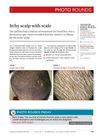 December 2020 in “The Journal of Family Practice”
 The boy's itchy scalp and hair loss were likely due to head lice treatment.
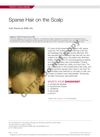
A 5-year-old girl has sparse, dry, and brittle hair but is otherwise healthy.
 October 2020 in “Cirugía y cirujanos”
 Obesity is linked to more severe lower urinary tract symptoms.
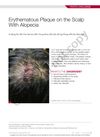
The woman has a scalp condition causing hair loss.
 September 2019 in “Revista Médica del Hospital General de México”
 Skin changes naturally as we get older.
 September 2018 in “Boletín médico del Hospital Infantil de México”
 Medical care for transgender youth should be individualized and supportive.
Culturing hair follicles at the air-liquid interface with minoxidil significantly boosts hair growth and preserves the root sheath.
Topical minoxidil and oral finasteride are effective treatments for androgenetic alopecia.
 September 2025 in “Journal of Science Innovations and Nature of Earth”
 Anthocyanins in berries and purple veggies offer health benefits but need better processing for full use.
550 citations
,
December 2005 in “The Journal of clinical investigation/The journal of clinical investigation” Researchers successfully isolated and identified key markers of stem cell-enriched human hair follicle bulge cells.
 520 citations
,
February 2001 in “Journal of Clinical Investigation”
520 citations
,
February 2001 in “Journal of Clinical Investigation” VEGF helps hair grow and determines follicle size by increasing blood vessel growth.
 299 citations
,
January 2018 in “Journal of Clinical Investigation”
299 citations
,
January 2018 in “Journal of Clinical Investigation” Different types of fibroblasts play various roles in diseases and healing, and more research on them could improve treatments.
286 citations
,
August 2007 in “Journal of Clinical Investigation” Alopecia areata is an autoimmune disease where T cells attack hair follicles.
 235 citations
,
January 2011 in “Journal of Clinical Investigation”
235 citations
,
January 2011 in “Journal of Clinical Investigation” Men with baldness due to androgenetic alopecia still have hair stem cells, but lack specific cells needed for hair growth.
 231 citations
,
October 1999 in “Journal of Clinical Investigation”
231 citations
,
October 1999 in “Journal of Clinical Investigation” Activating the Sonic hedgehog gene in mice can start the hair growth phase.
224 citations
,
February 2013 in “The Journal of clinical investigation/The journal of clinical investigation” ERG increases SOX9, promoting prostate cancer growth and invasion.
 222 citations
,
September 2016 in “JCI insight”
222 citations
,
September 2016 in “JCI insight” Tofacitinib is safe and effective for severe alopecia areata, but hair loss may return 2 months after stopping treatment.
207 citations
,
September 2002 in “The Journal of clinical investigation/The journal of clinical investigation” Blocking testosterone speeds up wound healing in males.