6 citations
,
May 2012 in “The Journal of Dermatology” Fexofenadine may help treat a difficult type of hair loss.
 August 2023 in “The journal of investigative dermatology/Journal of investigative dermatology”
 Ixekizumab may be an effective first treatment for a rare skin condition causing hair loss.
 June 2024 in “British Journal of Dermatology”
 A 15-year-old boy was correctly diagnosed with a rare skin condition after initially being misdiagnosed.
 May 2018 in “European Journal of Dermatology”
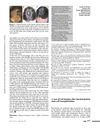
 Adjusting the medication tacrolimus resolved a boy's red nail beds after a stem cell transplant.
September 2019 in “The journal of investigative dermatology/Journal of investigative dermatology” PPARγ signaling modulation can protect hair follicle stem cells from chemotherapy-induced damage.
21 citations
,
May 2017 in “Paediatric drugs” Individualized treatment plans are crucial for children with alopecia areata, with promising options like JAK inhibitors showing significant hair regrowth.
October 2024 in “Journal of Pakistan Association of Dermatologists” Tofacitinib helped a 21-year-old regrow hair after alopecia totalis.
May 2025 in “OPAL (Open@LaTrobe) (La Trobe University)” Targeting specific metabolic and ionic pathways may improve alopecia areata treatment.
July 2025 in “Journal of Investigative Dermatology” Discoid lupus erythematosus involves immune activation and fibrosis around hair follicles, with shared pathways across humans, dogs, and mice, suggesting potential treatments for both humans and animals.
June 2026 in “Acta Dermato Venereologica” JAK inhibitors can help some people with long-standing alopecia areata regrow hair, but many stop treatment due to limited effectiveness.
1 citations
,
September 2025 in “Frontiers in Immunology” Folate receptor β helps suppress the immune system in macrophages and affects cancer growth and hair health.
 February 2024 in “PloS one”
 Tofacitinib and adalimumab are promising treatments for cicatricial alopecia with few side effects.
July 2026 in “Experimental Dermatology” Minoxidil sulfate helps hair regrowth in alopecia areata by enhancing anti-inflammatory effects and reducing mitochondrial stress.
 November 2025 in “Indian Journal of Nephrology”
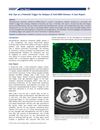
 Hair dye may trigger anti-GBM disease relapse, and rituximab can help manage it.
April 2023 in “Journal of Investigative Dermatology” Contact immunotherapy can change immune responses in alopecia areata, suggesting new treatment targets.
22 citations
,
January 2012 in “Mediators of inflammation” Nonantibiotic macrolides show promise for treating various inflammatory skin conditions.
 2 citations
,
November 2007 in “Journal of Investigative Dermatology”
2 citations
,
November 2007 in “Journal of Investigative Dermatology” Fluocinolone acetonide slows down hair follicle stem cells but speeds up skin cell growth in mice.
4 citations
,
June 2017 in “Annales de dermatologie et de vénéréologie” The study found that a specific type of hair loss is increasingly common in premenopausal women and can be effectively diagnosed and treated with various medications.
Vismodegib effectively treats advanced basal cell carcinoma but requires careful management of serious side effects.
1 citations
,
August 2025 in “IBRO Neuroscience Reports” Isoflavones from soy may help manage multiple sclerosis symptoms, but more research is needed.
 6 citations
,
August 2013 in “Joint Bone Spine”
6 citations
,
August 2013 in “Joint Bone Spine” Tocilizumab treatment was associated with significant hair regrowth in one patient and temporary hair loss followed by regrowth in another.
January 2026 in “Open Science Framework” Some treatments for multiple sclerosis can cause hair loss.
July 2026 in “British Journal of Dermatology” Soluble CD83 can treat alopecia areata by activating immune cells.
 17 citations
,
June 2016 in “Australasian Journal of Dermatology”
17 citations
,
June 2016 in “Australasian Journal of Dermatology” Treatment with dutasteride, minoxidil, and artificial hair transplantation improved appearance but caused folliculitis.
 September 2023 in “Journal of The American Academy of Dermatology”
 Baricitinib shows promise in treating severe hair loss.
 February 2026 in “Journal of Integrative Neuroscience”
 NGF-modified hair follicle stem cells may help treat Alzheimer's by improving brain function and reducing harmful proteins.
 June 2026 in “Eurasian Journal of Medicine”
 Baricitinib effectively regrew hair in a woman with alopecia universalis after other treatments failed.
 222 citations
,
September 2016 in “JCI insight”
222 citations
,
September 2016 in “JCI insight” Tofacitinib is safe and effective for severe alopecia areata, but hair loss may return 2 months after stopping treatment.
Ivarmacitinib effectively regrows hair in severe alopecia areata.
 1 citations
,
December 2021 in “JAAD case reports”
1 citations
,
December 2021 in “JAAD case reports” A woman with severe hair loss saw significant hair regrowth after adding platelet-rich plasma injections to her treatment with tofacitinib.