 March 2023 in “Journal of Cosmetic Dermatology”
 A woman's progressive hair loss was correctly diagnosed as a rare condition called fibrosing alopecia in a pattern distribution after initially being mistaken for a more common type.
 78 citations
,
September 2006 in “International Journal of Cosmetic Science”
78 citations
,
September 2006 in “International Journal of Cosmetic Science” Dandruff is mainly caused by a scalp reaction to yeast, can worsen hair loss, and antifungal treatments may help.
14 citations
,
January 2014 in “Indian Journal of Dermatology Venereology and Leprology” Frontal fibrosing alopecia can affect men's beards and leads to permanent hair loss.
 7 citations
,
November 2004 in “International Journal of Cosmetic Science”
7 citations
,
November 2004 in “International Journal of Cosmetic Science” Hair breaks differently when wet or dry and is affected by its condition and treatments like perms and bleaching.
 January 2024 in “International Journal of Homoeopathic Sciences”
 Homeopathic treatment may help manage alopecia areata.
 February 1994 in “Archives of Dermatology”
 Telogen effluvium is a condition that causes temporary hair loss.
332 citations
,
June 1994 in “Archives of Dermatology” Postmenopausal frontal fibrosing alopecia may be a unique condition linked to postmenopausal changes.
 22 citations
,
March 1963 in “Archives of dermatology”
22 citations
,
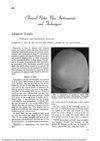
March 1963 in “Archives of dermatology” A woman regrew her hair significantly using a corticosteroid cream with a plastic cover.
 June 2020 in “Journal of Investigative Dermatology”
 The technique effectively shows how human skin and hair cells form into ball-like structures.
Hair loss can happen after severe H1N1 flu but usually grows back in 4 months.
 6 citations
,
June 2016 in “Experimental Dermatology”
6 citations
,
June 2016 in “Experimental Dermatology” Frontal Fibrosing Alopecia is a poorly understood condition that is hard to treat and causes distressing hair loss.
 2 citations
,
June 1980 in “International Journal of Dermatology”
2 citations
,
June 1980 in “International Journal of Dermatology” Scalp biopsies are important for diagnosing hair loss conditions.
September 2023 in “Journal of the American Academy of Dermatology” Current guidelines may overlook beard and sideburn involvement in diagnosing frontal fibrosing alopecia in men.
January 1962 in “Archives of Dermatology” A 5-year-old girl has lipoid proteinosis, causing voice issues, hair thinning, skin lesions, and tongue movement problems.
 January 2024 in “Archives of pathology & laboratory medicine”
 New findings may help diagnose and understand scarring alopecia better.
 August 2024 in “Journal of Clinical Medicine”
 Pruritus is common in LPP and FFA, worsened by heat and stress, and relieved by cold, affecting quality of life.
 30 citations
,
May 2016 in “International Journal of Cosmetic Science”
30 citations
,
May 2016 in “International Journal of Cosmetic Science” Hair loss in women links to inflammation around hair follicles.
 January 2025 in “Indian Journal of Dermatology”
 Frontal fibrosing alopecia is a challenging hair loss condition with no known cause or definitive treatment.
325 citations
,
June 1994 in “Archives of Dermatology” Postmenopausal frontal fibrosing alopecia may be a unique condition linked to postmenopausal changes.
22 citations
,
April 2012 in “Informa Healthcare eBooks” Frontal fibrosing alopecia is a type of hair loss that usually happens after menopause.
August 2024 in “Skin Research and Technology” TAF can be identified by excessive skin thickening and clogged hair follicles, helping distinguish it from similar skin conditions.
June 2025 in “British Journal of Dermatology” Frontal fibrosing alopecia can occur in men and may be linked to immune triggers like vaccines.
 10 citations
,
July 1981 in “Archives of Otolaryngology-head & Neck Surgery”
10 citations
,
July 1981 in “Archives of Otolaryngology-head & Neck Surgery” Short scalp flaps are easier but not good for severe baldness; Juri flaps are complex but better for density and coverage.
November 2024 in “Dermatology and Therapy” Dermatologists should carefully choose treatments for FFA to avoid worsening the condition.
 February 2026 in “Cosmetics”
 Perifollicular elastolysis is poorly understood, with limited treatment options and inconsistent results.
 January 2023 in “Springer eBooks”
 Hair shedding that lasts over 6 months may need a closer look, but often just reassurance is enough.
 February 2021 in “Cureus”
 A woman's hair loss was initially misdiagnosed as scarring hair loss but was actually a treatable autoimmune hair loss.
January 2025 in “Dermatology Online Journal” The man's hair loss and skin papules were diagnosed as atrichia with papular lesions, not alopecia areata universalis.
 April 2018 in “Journal of Investigative Dermatology”
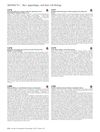
 Macrophages are more involved in Lichen planopilaris than in Frontal fibrosing alopecia.