 19 citations
,
September 2002 in “Acta dermato-venereologica”
19 citations
,
September 2002 in “Acta dermato-venereologica” Topical tacrolimus did not regrow hair in alopecia universalis patients.
April 2021 in “Aktuelle Dermatologie” Frontal Fibrosing Alopecia is a type of hair loss that mainly affects postmenopausal women, has unclear causes, and lacks evidence-based treatments.
 2 citations
,
January 2022 in “Eduvest”
2 citations
,
January 2022 in “Eduvest” A teenage girl with a fungal scalp infection got better with antifungal and allergy medication, and special shampoo.
 69 citations
,
August 2008 in “Journal of The European Academy of Dermatology and Venereology”
69 citations
,
August 2008 in “Journal of The European Academy of Dermatology and Venereology” Oral dutasteride and topical pimecrolimus can safely and effectively treat Frontal Fibrosing Alopecia, leading to significant hair regrowth.
1 citations
,
November 2005 in “PubMed” Itraconazole effectively treats scalp fungus, with continuous use more effective than pulse therapy.
6 citations
,
July 2004 in “JDDG Journal der Deutschen Dermatologischen Gesellschaft” Frontal fibrosing alopecia in postmenopausal women can be managed with early treatment using corticosteroids to stop hair loss.
 1 citations
,
November 2011 in “Journal of AIDS & Clinical Research”
1 citations
,
November 2011 in “Journal of AIDS & Clinical Research” Raltegravir may cause hair loss in some patients.
 9 citations
,
January 2018 in “Journal of the European Academy of Dermatology and Venereology”
9 citations
,
January 2018 in “Journal of the European Academy of Dermatology and Venereology” A male patient developed frontal fibrosing alopecia after antiandrogen therapy for prostate cancer.
February 2025 in “Chemico-Biological Interactions” 5-Fluorouracil causes hair loss by blocking signals needed for hair growth.
12 citations
,
August 2011 Prompt treatment of tinea capitis with oral antifungals leads to excellent recovery, but delayed care can cause permanent hair loss.
December 2025 in “JEADV Clinical Practice” A woman with hair loss condition experienced rare hair color return, suggesting it might help diagnose the condition.
June 2026 in “British Journal of Dermatology” Photodynamic therapy for actinic keratosis can cause permanent hair loss.
November 2025 in “JEADV Clinical Practice” Itraconazole is effective for treating scalp ringworm, and a Wood's lamp is a useful diagnostic tool.
 2 citations
,
July 2020 in “Giornale italiano di dermatologia e venereologia”
2 citations
,
July 2020 in “Giornale italiano di dermatologia e venereologia” A woman with frontal fibrosing alopecia experienced unusual hair growth after using a specific topical lotion.
 March 2025 in “JEADV Clinical Practice”
 Ketoconazole shampoo may help reduce hair loss and improve hair health.
 102 citations
,
April 2014 in “International Journal of Dermatology”
102 citations
,
April 2014 in “International Journal of Dermatology” The treatment helped reduce symptoms and stabilize the hairline in most patients with Frontal Fibrosing Alopecia, but hair regrowth was limited.
 46 citations
,
August 1990 in “The Journal of clinical endocrinology and metabolism/Journal of clinical endocrinology & metabolism”
46 citations
,
August 1990 in “The Journal of clinical endocrinology and metabolism/Journal of clinical endocrinology & metabolism” Ketoconazole reduced hair growth and improved acne in women, but caused side effects needing careful monitoring.
 7 citations
,
October 2015 in “Actas Dermo-Sifiliográficas”
7 citations
,
October 2015 in “Actas Dermo-Sifiliográficas” New treatments for Frontal Fibrosing Alopecia show promise, especially finasteride and dutasteride, with most patients seeing improvement or stabilization.
 78 citations
,
March 2017 in “JAMA Dermatology”
78 citations
,
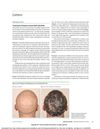
March 2017 in “JAMA Dermatology” Tofacitinib helped regrow hair in people with severe alopecia, but side effects occurred and benefits stopped after treatment ended.
 9 citations
,
October 2013 in “Pediatric dermatology”
9 citations
,
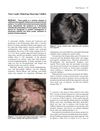
October 2013 in “Pediatric dermatology” Proper antifungal treatment is crucial to avoid misdiagnosis and prevent scarring alopecia.
 11 citations
,
December 2019 in “Dermatologic Therapy”
11 citations
,
December 2019 in “Dermatologic Therapy” Ketoconazole may help regrow hair and increase follicle size, but more research needed.
9 citations
,
January 2013 in “Indian journal of dermatology, venereology, and leprology” Infliximab may cause hair loss in Crohn's disease patients.
 3 citations
,
August 2024 in “Cureus”
3 citations
,
August 2024 in “Cureus” Upadacitinib may cause hair loss.
 February 2006 in “Journal of The American Academy of Dermatology”
 Terbinafine is more effective than itraconazole for toenail fungus, especially in older patients, and debridement improves its effectiveness.
 64 citations
,
January 2005 in “International Journal of Dermatology”
64 citations
,
January 2005 in “International Journal of Dermatology” Hair transplant destroyed by lichen planopilaris.
 November 2022 in “The Indian journal of chest diseases & allied sciences”
 Isoniazid can rarely cause hair loss, which is reversible after stopping the drug.
July 2024 in “Indian Dermatology Online Journal” Tinea capitis can occur in adults and should be considered if scalp issues persist.
 7 citations
,
February 2010 in “Journal of Dermatological Treatment”
7 citations
,
February 2010 in “Journal of Dermatological Treatment” Imiquimod cream can rarely cause temporary hair loss.
1 citations
,
January 2023 in “Advances in Bioscience and Biotechnology” E. flocculosum is the main fungus causing hair loss in female students, needing better antifungal treatments.
 53 citations
,
May 2010 in “Dermatologic Surgery”
53 citations
,
May 2010 in “Dermatologic Surgery” Hair transplantation may not work for Frontal Fibrosing Alopecia as transplanted hair was lost when the disease came back.