December 2017 in “The Sri Lanka Journal of Dermatology” Infliximab successfully treated a severe hair loss case in Sri Lanka.
4 citations
,
June 2017 in “Annales de dermatologie et de vénéréologie” The study found that a specific type of hair loss is increasingly common in premenopausal women and can be effectively diagnosed and treated with various medications.
 March 2016 in “Reactions Weekly”
 A woman experienced hair loss, nail changes, bone marrow suppression, and low blood protein after taking azathioprine.
January 1976 in “Revista de Estudios Agrosociales” Frontal fibrosing alopecia and vitiligo might be linked by similar immune issues.
12 citations
,
July 2020 in “Actas Dermo-Sifiliográficas” Frontal fibrosing alopecia mostly affects postmenopausal women, often involves eyebrows, and is linked to conditions like lichen planus and rosacea.
 January 2017 in “Springer eBooks”
 Over 40% of postmenopausal women experience hair loss, with treatments aiming to stop further loss and possibly thicken hair.
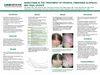 November 2025 in “SKIN The Journal of Cutaneous Medicine”
 Baricitinib shows promise in improving frontal fibrosing alopecia symptoms.
July 2020 in “DOAJ (DOAJ: Directory of Open Access Journals)” Excessive sun protection might contribute to frontal fibrosing alopecia.
December 2025 in “Microbes and Infectious Diseases /Microbes and Infectious Diseases” Fungi and iron deficiency are linked to hair loss in alopecia patients.
 November 2023 in “Journal of Cosmetic Dermatology”
 Tofacitinib is effective and has minor, reversible side effects for treating severe hair loss in Iran.
July 2019 in “Medical Science and Discovery” Early diagnosis and treatment can prevent or delay frontal fibrosing alopecia progression in postmenopausal women.
 December 2015 in “Actas Dermo-Sifiliográficas”
 Hair transplantation for Frontal Fibrosing Alopecia may work if the disease is inactive for 2 years and with ongoing treatment to maintain results.
May 2026 in “Inovasi Kesehatan Global” A 7-year-old boy's fungal infection was treated successfully, but some hair loss was permanent.
5 citations
,
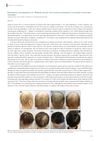
July 2007 in “PubMed” An HIV patient's complete hair loss was reversed after switching from lopinavir/ritonavir to nelfinavir.
 8 citations
,
May 2017 in “Singapore Medical Journal”
8 citations
,
May 2017 in “Singapore Medical Journal” A Korean woman with complete hair loss regrew her hair after taking tofacitinib, with no side effects.
 63 citations
,
October 2011 in “Archives of Dermatology”
63 citations
,
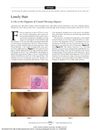
October 2011 in “Archives of Dermatology” Isolated long hairs at the original hairline can help diagnose Frontal Fibrosing Alopecia.
 October 2025 in “Zenodo (CERN European Organization for Nuclear Research)”
 Ritlecitinib may help young adults with severe alopecia areata when ketoconazole fails.
1 citations
,
January 2010 Many drugs can cause hair loss.
22 citations
,
August 2002 in “The American Journal of Medicine” Atorvastatin may cause hair loss in some people.
47 citations
,
September 1995 in “British Journal of Dermatology” Diphencyprone therapy for hair loss can cause vitiligo.
 7 citations
,
April 1987 in “International Journal of Dermatology”
7 citations
,
April 1987 in “International Journal of Dermatology” Stopping imipramine reduced the woman's hair loss.
 May 2026 in “Indian Journal of Dermatology”
 Tofacitinib shows promise for treating alopecia areata with significant hair regrowth and mild side effects.
 November 2022 in “The journal of investigative dermatology/Journal of investigative dermatology”
 Linalool in personal care products may contribute to hair loss by damaging hair follicle stem cells and triggering harmful immune responses.
 12 citations
,
November 1996 in “Australasian journal of dermatology”
12 citations
,
November 1996 in “Australasian journal of dermatology” A kidney transplant patient on cyclosporin experienced unexpected severe hair loss, which improved with treatment adjustments.
 4 citations
,
September 2018 in “The Journal of Dermatology”
4 citations
,
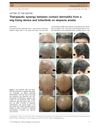
September 2018 in “The Journal of Dermatology” A man's hair regrew from alopecia areata after using tofacitinib and experiencing contact dermatitis from a wig device.
 4 citations
,
January 2016 in “Case reports in dermatological medicine”
4 citations
,
January 2016 in “Case reports in dermatological medicine” A man had temporary hair loss from radiation during a medical procedure but regrew his hair after treatment with minoxidil lotion.
 2 citations
,
December 2019 in “Biomedical dermatology”
2 citations
,
December 2019 in “Biomedical dermatology” Minoxidil works faster, but ketoconazole is a safer alternative for female hair loss.
 1 citations
,
September 2022 in “International Journal of Trichology”
1 citations
,
September 2022 in “International Journal of Trichology” Tofacitinib can be effective in treating hair loss caused by alopecia areata.
 64 citations
,
June 2009 in “Journal of The American Academy of Dermatology”
64 citations
,
June 2009 in “Journal of The American Academy of Dermatology” Oral dutasteride can potentially treat frontal fibrosing alopecia in postmenopausal women, with some patients showing disease arrest and hair regrowth.