September 2025 in “JAAD Case Reports” Hair extensions can worsen scalp conditions and should be avoided in those with alopecia.
 57 citations
,
January 2003 in “Clinical and experimental dermatology”
57 citations
,
January 2003 in “Clinical and experimental dermatology” Postmenopausal frontal fibrosing alopecia is a type of hair loss in postmenopausal women that may stop on its own but has no effective treatment.
August 2019 in “Journal of the American Academy of Dermatology” Tofacitinib may help hair regrowth in alopecia areata, but more research is needed.
 March 2024 in “Journal of the American Academy of Dermatology”
 Taking medication for hair loss might cause sexual problems.
 32 citations
,
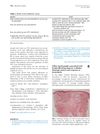
September 2017 in “Journal of the American Academy of Dermatology”
32 citations
,
September 2017 in “Journal of the American Academy of Dermatology” Oral isotretinoin effectively treats yellow facial papules in frontal fibrosing alopecia patients.
1 citations
,
January 2004 in “Expert Opinion on Pharmacotherapy” Finasteride effectively treats male pattern hair loss by promoting hair growth and density.

GLP-1 receptor agonists increase the risk of hair loss, mainly due to weight loss-related nutrient deficiency.
 8 citations
,
April 2011 in “Surgery today”
8 citations
,
April 2011 in “Surgery today” A substance called sodium zinc dihydrolipoylhistidinate can significantly reduce hair loss caused by chemotherapy in rats.
 June 1982 in “Reactions (Auckland)”
 Metoprolol and propranolol may cause hair loss.
August 1993 in “Journal of dermatological science”  2 citations
,
June 2017 in “Psychiatry and clinical psychopharmacology”
2 citations
,
June 2017 in “Psychiatry and clinical psychopharmacology” Stopping the antidepressant agomelatine improved hair loss in a patient.
54 citations
,
July 1994 in “Journal of Dermatological Science” FK506 may stimulate hair growth when applied to the skin.
 23 citations
,
September 2019 in “Journal of The American Academy of Dermatology”
23 citations
,
September 2019 in “Journal of The American Academy of Dermatology” Tofacitinib and oral minoxidil together effectively regrow hair in severe alopecia areata patients.
 November 2024 in “PubMed”
 Terbinafine can cause skin reactions when exposed to sunlight, so sun exposure should be avoided during treatment.
January 2006 in “Bohn Stafleu van Loghum eBooks” Long-term use of finasteride can help treat hair loss.
3 citations
,
January 1990 in “Cancer chemotherapy and pharmacology” Topical thiols may prevent hair loss caused by certain chemotherapy drugs.
 January 2015 in “Journal of evolution of medical and dental sciences”
 Topical tacrolimus is effective and safe for treating alopecia areata.
 1 citations
,
July 2019 in “Clinical Rheumatology”
1 citations
,
July 2019 in “Clinical Rheumatology” Leflunomide is more likely to help treat alopecia areata than cause it.
 97 citations
,
September 2006 in “Pharmaceutical Research”
97 citations
,
September 2006 in “Pharmaceutical Research” No treatment fully prevents hair loss from chemotherapy yet.
April 2023 in “Journal of Dermatological Treatment” Tofacitinib helped regrow hair in a teen with a unique pattern of alopecia areata.
 March 2019 in “Our Dermatology Online”
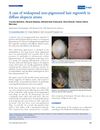
 A woman with severe hair loss regrew mostly white hair after treatment.
August 2023 in “Journal of Investigative Dermatology” Dutasteride may help treat frontal fibrosing alopecia.
20 citations
,
October 2013 in “Dermatologic Surgery”  January 2023 in “Journal of Cosmetic Dermatology”
 Some children may develop hair loss after having COVID-19.
 1 citations
,
July 2020 in “Benha Journal of Applied Sciences”
1 citations
,
July 2020 in “Benha Journal of Applied Sciences” Trichoscopy is useful for diagnosing Frontal Fibrosing Alopecia.
20 citations
,
June 2019 in “Archives of dermatological research” Combining DPCP and anthralin helps regrow hair in some alopecia areata patients.
 June 2020 in “Journal of Investigative Dermatology”
 Getting insurance to cover the hair loss treatment tofacitinib is hard because it's not officially approved for that use.
 November 2025 in “Australian Journal of General Practice”
 Oral finasteride and topical minoxidil can regrow hair, but finasteride may affect fertility.
2 citations
,
May 2017 in “Journal of the American Academy of Dermatology” Tofacitinib helped a 19-year-old regrow hair after other treatments failed.