 1 citations
,
January 2008 in “Springer eBooks”
1 citations
,
January 2008 in “Springer eBooks” Hair follicle stem cells can turn into many cell types and may help repair nerve damage and have other medical uses.

Early recognition and aggressive treatment can significantly improve rare ANA-negative lupus with heart and skin issues.
 May 2014 in “Journal of Investigative Dermatology”
 Scientists developed tools to observe hair regeneration in real time and assess skin health, using glowing mice and light-controlled genes.
 March 2010 in “International Journal of Cosmetic Science”
 Disulfide bonds affect the melting behavior of hair's crystalline structure, but hair retains some stability even after these bonds are broken.
 January 2001 in “Clinical and Experimental Dermatology”
 A test for nail fungus was most accurate with PAS stain, low-dose spironolactone helped two-thirds of acne patients, metformin reduced symptoms of HIV-related fat distribution changes with some side effects, and skin examination with dermoscopy was better at detecting abnormal moles, while temporary tattoos can cause skin reactions.
 November 2023 in “Research Square (Research Square)”
 NIR-II imaging effectively tracked stem cells that helped repair facial nerve defects in rats.
 1 citations
,
September 2025 in “Journal of Zhejiang University SCIENCE B”
1 citations
,
September 2025 in “Journal of Zhejiang University SCIENCE B” Photodynamic therapy successfully treated skin cancer in a 53-year-old woman.
 January 2026 in “China National GeneBank DataBase”
 Human hair follicle stem cells can help heal wounds faster.
3 citations
,
November 2011 in “Small GTPases” Researchers found that hair follicle stem cells can become squamous cell carcinoma due to Ras activation, which could lead to new treatments.
 July 2025 in “Journal of the Pakistan Medical Association”
 Combining TCA with 5-FU is more effective and safer for treating keloids than TCA alone.
March 2026 in “Mendeley Data” March 2026 in “Mendeley Data”  59 citations
,
February 2021 in “Advanced Functional Materials”
59 citations
,
February 2021 in “Advanced Functional Materials” The silk fibroin-based hydrogel shows promise for treating melanoma and healing infected wounds by killing tumor cells and bacteria, and supporting skin recovery.
22 citations
,
July 2024 in “Frontiers in Oncology” FLASH radiation reduces tissue damage more than conventional radiation.
 81 citations
,
November 2012 in “Journal of the National Cancer Institute”
81 citations
,
November 2012 in “Journal of the National Cancer Institute” The tumor suppressor gene FLCN affects mitochondrial function and energy use in cells.
 3 citations
,
November 2013 in “Journal of Stem Cells and Regenerative Medicine”
3 citations
,
November 2013 in “Journal of Stem Cells and Regenerative Medicine” Imaging intestinal stem cells might help detect early signs of colorectal cancer.
2 citations
,
October 2024 in “Artificial Cells Nanomedicine and Biotechnology” Greenly synthesized silver nanoparticles from lentils show strong anticancer and antimicrobial effects.
21 citations
,
September 2013 in “Current medicinal chemistry” HAC and BAC improve skin targeting and reduce diffusion without causing irritation.
 118 citations
,
May 2015 in “European journal of pharmaceutics and biopharmaceutics”
118 citations
,
May 2015 in “European journal of pharmaceutics and biopharmaceutics” The hydrogel with a 1:3 ratio of hydroxyethyl cellulose to hyaluronic acid is effective for delivering drugs through the skin to treat acne.
 5 citations
,
February 2015 in “JEADV. Journal of the European Academy of Dermatology and Venereology/Journal of the European Academy of Dermatology and Venereology”
5 citations
,
February 2015 in “JEADV. Journal of the European Academy of Dermatology and Venereology/Journal of the European Academy of Dermatology and Venereology” OCT can non-invasively diagnose follicular keratosis and other hair follicle disorders.
36 citations
,
January 1993 in “Gut” High-dose interferon is effective for chronic hepatitis C but often causes flu-like symptoms.
 109 citations
,
March 2011 in “Journal of controlled release”
109 citations
,
March 2011 in “Journal of controlled release” New micelle solutions greatly improve skin delivery of certain antifungal drugs.
 72 citations
,
June 2001 in “Journal of Investigative Dermatology”
72 citations
,
June 2001 in “Journal of Investigative Dermatology” S100A4 and S100A6 proteins may activate stem cells for hair follicle regeneration and could be potential targets for hair loss treatments.
 39 citations
,
April 2001 in “Journal of The American Academy of Dermatology”
39 citations
,
April 2001 in “Journal of The American Academy of Dermatology” Latanoprost, a glaucoma medication, caused excessive eyelid hair growth in many patients.
 31 citations
,
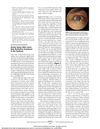
October 2012 in “Archives of ophthalmology”
31 citations
,
October 2012 in “Archives of ophthalmology” Laser hair reduction near the eyebrows can cause serious eye injuries even with safety measures.
 28 citations
,
January 2013 in “Stem cells”
28 citations
,
January 2013 in “Stem cells” Certain human skin cells marked by CD44 and ALDH are rich in stem cells capable of long-term skin renewal.
 25 citations
,
June 2015 in “Clinical, Cosmetic and Investigational Dermatology”
25 citations
,
June 2015 in “Clinical, Cosmetic and Investigational Dermatology” Microneedling helps increase the absorption of a melanin product into hair follicles, which may improve laser hair removal effectiveness.
 22 citations
,
March 2019 in “European Journal of Ophthalmology”
22 citations
,
March 2019 in “European Journal of Ophthalmology” Preservative-free latanoprost effectively lowers eye pressure with fewer side effects.
 20 citations
,
September 2018 in “Journal of colloid and interface science”
20 citations
,
September 2018 in “Journal of colloid and interface science” Modified keratin binds better to hair, especially bleached hair.
 18 citations
,
August 2019 in “Drug Development and Industrial Pharmacy”
18 citations
,
August 2019 in “Drug Development and Industrial Pharmacy” Quercetin-loaded nanoparticles can penetrate skin, minimize hair loss, and promote hair regrowth, showing slightly better results than a marketed product.