 November 2025 in “PARIPEX-INDIAN JOURNAL OF RESEARCH”
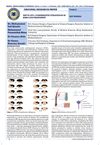
 GFC is more effective than PRP for treating hair loss.
October 1977 in “Munich Personal RePEc Archive (Ludwig Maximilian University of Munich)” Mefloquine was generally safe at 500 mg weekly, but higher doses caused nausea and diarrhea.
 May 2025 in “Medical Science Monitor”
 Concentrated growth factor shows promise for treating hair loss but needs more research.
 15 citations
,
November 2017 in “Drug Development and Industrial Pharmacy”
15 citations
,
November 2017 in “Drug Development and Industrial Pharmacy” Improved tablets lead to faster, better drug absorption for hair loss treatment.
 1 citations
,
March 2014 in “Senses and Sciences”
1 citations
,
March 2014 in “Senses and Sciences” A supplement with Serenoa repens improved hair loss in a patient.
 21 citations
,
January 2008 in “Talanta”
21 citations
,
January 2008 in “Talanta” New, cheaper method measures finasteride in tablets accurately and quickly.
 October 2018 in “International journal of clinical & experimental dermatology”
 Baicapil was effective in reducing hair loss and increasing hair growth in women with telogen effluvium.
 March 2024 in “Journal of Cosmetic Dermatology”
 Laser-pretreated blood for hair loss treatment was more effective and increased stem cells.
 September 2025 in “Journal of the Pakistan Medical Association”
 Tofacitinib effectively and safely promotes hair regrowth in alopecia patients.
18 citations
,
June 2004 in “Mycoses” Two patients with a rare scalp fungus in Poland were successfully treated with griseofulvin and ciclopirox.
April 2026 in “Journal of Dermatological Treatment” CGF and i-PRF are more effective and safer than PRP for treating female pattern hair loss.
June 2026 in “Journal of Cosmetic Dermatology” CGF-PF may improve hair loss treatment by targeting hair follicle stem cells more effectively.
March 2023 in “Oxford University Press eBooks”  June 2025 in “International Journal of Science and Research (IJSR)”
 Tofacitinib effectively promotes hair regrowth in alopecia areata with minimal side effects.
November 2015 in “Archivio Istituzionale della Ricerca (Universita Degli Studi Di Milano)” Platelet concentrates may help tissue regeneration and have potential for regenerative therapies.
 4 citations
,
June 2003 in “Fertility and Sterility”
4 citations
,
June 2003 in “Fertility and Sterility” Finasteride doesn't affect ovulation in normal women.
 2 citations
,
August 2020 in “Clinical, Cosmetic and Investigational Dermatology”
2 citations
,
August 2020 in “Clinical, Cosmetic and Investigational Dermatology” The hair-growth formula with L-cystine helps protect and grow hair cells.
4 citations
,
May 2023 in “Cells” Baricitinib and its combination with lonafarnib improve fat cell formation in certain genetic disorders.
 April 2018 in “Journal of Investigative Dermatology”
 Topical tofacitinib is effective in promoting hair growth for non-scarring alopecia.
 September 2018 in “Dermatologic Therapy”
 Finasteride at 2.5mg/day may help postmenopausal women with hair loss.
December 2025 in “Journal of Dermatological Treatment” GT20029 helps regrow hair in men with hair loss and is well-tolerated.
 June 2025 in “Dermatologic Surgery”
 GFC improves hair quickly, while PRP offers longer-lasting benefits; using both sequentially is recommended.
 7 citations
,
June 2015 in “European Journal of Plastic Surgery”
7 citations
,
June 2015 in “European Journal of Plastic Surgery” PRGF treatment safely and effectively helps hair loss.
6 citations
,
November 2020 in “Chinese Medical Journal” Combining minoxidil and fibroblast growth factor is more effective for treating male hair loss than using either alone.
 August 2014 in “Journal of clinical & experimental dermatology research”
 Platelet-released growth factors can treat hair loss by activating hair follicle stem cells, blocking certain pathways, and controlling inflammation and fibrosis.
 September 2024 in “Polish Journal of Public Health”
 Prescription tablets treat hirsutism, while over-the-counter foams treat hypertrichosis.
 July 2022 in “http://isrctn.com/”
 Adding a cosmetic gel with caffeine, taurine, and growth factors to standard hair loss treatments could improve results.
January 2010 in “Journal of Yangzhou University” Sulfated fucans promote hair growth in mice by speeding up the growth phase and delaying the rest phase.
59 citations
,
January 2003 in “Phytomedicine” Fennel extract cream can reduce hair thickness in people with excessive hair growth.