 July 2018 in “DOAJ (DOAJ: Directory of Open Access Journals)”
 The new gel formula could improve the delivery of a hair loss treatment through the skin and might be an alternative to taking it by mouth.
7 citations
,
June 2017 in “Gene” Overexpression of FGF5s makes Chinese Merino sheep grow longer and heavier wool.
 4 citations
,
April 2015 in “Experimental Dermatology”
4 citations
,
April 2015 in “Experimental Dermatology” Certain genes controlled by OVOL1 are crucial for creating new hair follicles.
 42 citations
,
March 2014 in “European Journal of Pharmacology”
42 citations
,
March 2014 in “European Journal of Pharmacology” Ginsenoside F2 from ginseng may increase hair growth better than standard treatments by affecting cell growth signals.
 June 2013 in “Faculty Opinions – Post-Publication Peer Review of the Biomedical Literature”
 FGF9 from certain cells can trigger new hair growth during wound healing, but humans have fewer of these cells, which may limit hair regrowth.
January 2020 in “Global dermatology” Iontophoresis with a growth factor cocktail helps hair growth in patients with androgenetic alopecia.
 179 citations
,
December 2004 in “Journal of The American Academy of Dermatology”
179 citations
,
December 2004 in “Journal of The American Academy of Dermatology” Some postmenopausal women with frontal fibrosing alopecia stopped losing hair with finasteride treatment, hinting at a possible hormonal cause.

Lack of Fgf21 slows hair growth by affecting gene interactions.
November 2014 in “PharmaTutor” Finasteride may help postmenopausal women with hair loss but is not effective for all and should be used cautiously in premenopausal women.
 July 2023 in “Indian Journal of Animal Health”
 FGF-5 promotes Cashmere goat hair growth by increasing keratin genes and reducing certain LncRNA and target genes.
January 2016 in “Más dermatología” Platelet-rich plasma therapy helps heal skin ulcers and stimulates hair growth in dermatology.
9 citations
,
April 2006 in “International Journal of Dermatology” DFMO may help control hair growth and treat cancer.
February 2017 in “Spectrum Research Repository (Concordia University)” Porcine PRP can replace FBS and promote hair growth.
 February 2025 in “Journal of Cosmetic Dermatology”
 Ferritin and vitamin B12 deficiencies are common causes of hair loss in women aged 18-45.
 April 2023 in “Journal of Investigative Dermatology”
 Ganoderma lucidum extract can potentially reduce stress-induced hair loss by slowing down premature hair aging and removing harmful substances.
 January 2022 in “Journal of Cosmetic Dermatology”
 Using basic fibroblast growth factor with minoxidil improves hair growth and patient satisfaction more than using minoxidil alone.
July 2025 in “Journal of Drug Delivery Science and Technology” Hydrogel microneedles with special nanoparticles and growth factor improve hair growth better than minoxidil for hair loss treatment.
 October 2013 in “Faculty Opinions – Post-Publication Peer Review of the Biomedical Literature”
 FGF9 from certain T cells helps create new hair follicles during wound healing, which could potentially be used for hair loss treatments.
 November 2025 in “PARIPEX-INDIAN JOURNAL OF RESEARCH”
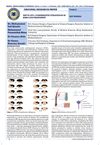
 GFC is more effective than PRP for treating hair loss.
 2 citations
,
November 2007 in “Journal of Investigative Dermatology”
2 citations
,
November 2007 in “Journal of Investigative Dermatology” Fluocinolone acetonide slows down hair follicle stem cells but speeds up skin cell growth in mice.
 July 2022 in “Journal of Investigative Dermatology”
 High platelet numbers in PRP may not be essential for hair growth, and certain growth factors could negatively affect treatment outcomes for hair loss.
November 2015 in “Archivio Istituzionale della Ricerca (Universita Degli Studi Di Milano)” Platelet concentrates may help tissue regeneration and have potential for regenerative therapies.
6 citations
,
July 2004 in “JDDG Journal der Deutschen Dermatologischen Gesellschaft” Frontal fibrosing alopecia in postmenopausal women can be managed with early treatment using corticosteroids to stop hair loss.
April 2026 in “Journal of Dermatological Treatment” CGF and i-PRF are more effective and safer than PRP for treating female pattern hair loss.
 January 2014 in “Surgical and Cosmetic Dermatology”
 Nutritional supplements can significantly reduce hair loss in telogen effluvium after three months.
 April 2026 in “International Journal of Current Pharmaceutical Review and Research”
 Growth Factor Concentrate is more effective than Platelet-Rich Plasma for improving hair density and thickness.
 8 citations
,
September 2024 in “BMC Genomics”
8 citations
,
September 2024 in “BMC Genomics” circCFAP20DC helps goat ovarian cells grow, aiding follicle development.
January 2020 in “Surgical and Cosmetic Dermatology” Hair loss in women with androgenetic alopecia was reduced by using a hair treatment with human hair follicle stem cells.
 June 2013 in “Faculty Opinions – Post-Publication Peer Review of the Biomedical Literature”
 A substance called FGF9 from certain immune cells can trigger new hair growth during wound healing in mice, but humans may not have the same response due to fewer of these cells.
 December 2025 in “Scientific Reports”
 Valproic acid helps hair follicle stem cells survive better in low oxygen and glucose conditions.