17 citations
,
April 1990 in “Environmental Research” Methylmercury accumulates in mouse hair during growth, then decreases when growth stops.
 1 citations
,
July 2024 in “Skin Research and Technology”
1 citations
,
July 2024 in “Skin Research and Technology” Patients with androgenetic alopecia have thinner subcutaneous fat layers in their frontal scalp compared to healthy individuals.
 May 2026 in “Premier journal of science.”
 Future treatments for hair loss may focus on personalized and regenerative approaches.
 May 2026 in “Journal of Cutaneous and Aesthetic Surgery”
 The new hair restoration technique shows promise for quick, appealing results with minimal recovery time.
December 2025 in “Cosmetics” New treatments for alopecia show promise in restoring hair growth by targeting immune and hormonal factors.
November 2025 in “Pharmacological Research” Plant-derived nanoparticles from Polygoni Multiflori Radix promote hair growth better than Minoxidil by affecting androgen pathways.
 May 2024 in “FEBS open bio”
 Annurca apple extract may help treat hair loss and protect against oxidative stress.
 February 2017 in “Vestnik dermatologii i venerologii”
 Hair loss can be treated with common methods like minoxidil and finasteride, but new potential treatments include growth factors, cytokines, and platelet-rich plasma injections.
 November 2023 in “International Journal of Pharmaceutics”
 New hair loss treatment using marine collagen and dissolvable needles improves hair growth.
132 citations
,
February 2002 in “Journal of Biological Chemistry” HOXC13 is crucial for regulating hair keratin genes in hair follicles.
14 citations
,
November 2019 in “Materials” Diamond nanoparticles can penetrate skin and reach hair follicles, useful for imaging applications.
2 citations
,
May 2022 in “International journal of molecular sciences” Changes in KRT17 gene activity linked to wool production in Angora rabbits.

Perilla seed extract may help prevent hair loss better than some standard treatments.
January 2026 in “International Journal of Molecular Sciences” Understanding molecular signals and genetics is key to improving hair regeneration therapies.
13 citations
,
April 2010 in “Journal of dermatological science” Chemotherapy-induced hair loss is partly due to decreased laminin-511 and increased laminin-332.
January 2025 in “Dermatologic Therapy” Oxidative stress damages hair follicles and worsens hair loss in androgenetic alopecia.
 April 2024 in “Nigerian Postgraduate Medical Journal”
 Androgenetic alopecia is a common hair loss condition influenced by various factors and linked to psychosocial and cardiovascular issues.
 November 2024 in “Research for Rural Development/Research for Rural Development (Online)”
 Rosemary essential oil is rich in terpenes and can be effectively extracted and analyzed using environmentally friendly methods, benefiting local economies.
 December 2025 in “Nature Communications”
 Club-like receptors detect light touch but not whisking.
 11 citations
,
October 2016 in “Biomedicine & Pharmacotherapy”
11 citations
,
October 2016 in “Biomedicine & Pharmacotherapy” Both human platelet lysate and minoxidil can promote hair growth, but they affect different genes and cell survival rates.
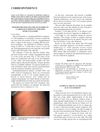 12 citations
,
January 2005 in “Pediatric Dermatology”
12 citations
,
January 2005 in “Pediatric Dermatology” Fox Fordyce disease might be more common in prepubertal girls than thought and can be managed with treatment.
 December 2024 in “Journal of Population Therapeutics and Clinical Pharmacology”
 Rosemary and kalonji seeds can improve hair health and treat hair conditions.

Chrysanthemum zawadskii extract may help treat hair loss by promoting hair growth and affecting growth factors.
 153 citations
,
August 2002 in “Dermatologic Surgery”
153 citations
,
August 2002 in “Dermatologic Surgery” Follicular Unit Extraction (FUE) is a less invasive hair transplant method with minimal scarring, suitable for about 60% of patients, especially those needing fewer grafts and quicker recovery.
 29 citations
,
September 2012 in “Birth Defects Research”
29 citations
,
September 2012 in “Birth Defects Research” Wounds heal without scarring in early development but later result in scars, and studying Wnt signaling could help control scarring.
 May 2026 in “European Burn Journal”
 The scalp is a safe and effective donor site for skin grafts in children with burns.
22 citations
,
October 2007 in “Journal of Investigative Dermatology” Stem cells in mouse nails are found in the nail matrix and may control nail growth.
4 citations
,
July 2025 in “Cosmetics” Olive mill wastewater can be used as a sustainable source of skin-benefiting ingredients.
 January 2025 in “Journal of Dermatological Treatment”
 Early treatment can help reverse hair loss caused by cosmetic fillers.
11 citations
,
January 2005 in “Brazilian Journal of Medical and Biological Research” Hairless USP mice have enlarged skin cysts as they age.