2 citations
,
January 1989 in “The Nishinihon Journal of Dermatology” Seborrheic keratosis likely originates from the upper regions of hair follicles.
January 1982 in “Clinical Cosmetic and Investigational Dermatology” Familial dyskeratotic comedones are a rare, inherited skin condition that is hard to treat but may improve slightly with topical retinoids and urea cream.
17 citations
,
October 2015 in “PubMed” Proper diagnosis is essential for effective treatment of skin fungal infections.
 November 2023 in “International Journal of Dermatology”
 Patients with central centrifugal cicatricial alopecia often have higher rates of metabolic, autoimmune, and atopic conditions, as well as anxiety and depression.
 October 2021 in “International journal of research in dermatology”
 No link between scalp patterns and alopecia severity in children, but more severe cases often had nail abnormalities.
2 citations
,
June 2022 in “Life” A 14-year-old boy is the youngest person reported with a rare, benign tumor related to hair follicles, usually found in older people.
 1 citations
,
March 2020 in “International journal of reproduction, contraception, obstetrics and gynecology”
1 citations
,
March 2020 in “International journal of reproduction, contraception, obstetrics and gynecology” The study concluded that the most common skin problems in women with PCOS are excess hair, acne, oily skin, hair loss, dark skin patches, and skin tags.
January 2002 in “Linchuang pifuke zazhi” A young woman had a rare scalp tumor usually found in older women.
 November 2023 in “Curēus”
 Topical tretinoin effectively treated sebaceous filaments, improving skin appearance.
 July 2022 in “Dermatology Reports”
 A rare scalp condition called Erosive pustular dermatosis is hard to diagnose and treat.
19 citations
,
August 1996 in “British Journal of Dermatology” Alopecia areata affects hair follicle structure, even in non-balding areas.
January 2007 in “Journal of the American Academy of Dermatology” Tinea can cause scarring alopecia in children, and fungal culture is crucial for diagnosis.
A 21-year-old with lichen planopilaris was successfully treated, stopping disease progression and preventing crusts.
4 citations
,
October 2023 in “Case Reports in Dermatology” Majocchi’s granuloma should be considered when rashes don't improve with typical treatments.
 January 2018 in “Our Dermatology Online”
 Trichomycosis axillaris is a treatable bacterial infection of underarm hair.
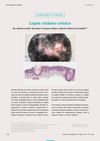 January 2024 in “Revista Dermatológica Centro Uraga”
 The patient has Chronic Cutaneous Lupus, a skin condition causing plaques and hair loss.

The conclusion is that common non-infectious scalp diseases often have similar symptoms, making diagnosis challenging.
11 citations
,
January 2017 in “Pediatrics in review” Accurate diagnosis and proper treatment are crucial for managing fungal skin infections in children.
82 citations
,
November 1985 in “Archives of Dermatology” The newborn's skin condition improved over time, leaving only lighter skin patches.
6 citations
,
May 2002 in “British journal of dermatology/British journal of dermatology, Supplement” A rare skin condition linked to leukemia improved with chemotherapy.
6 citations
,
October 1998 in “PubMed” Antifungal treatment can improve severe skin infections with cutaneous horns.
25 citations
,
May 1995 in “Journal of the American Academy of Dermatology” Erythromelanosis follicularis faciei can also affect women, though it's rare.
 March 2014 in “Pediatric Clinics of North America”
 The document discusses how to identify and manage common skin conditions in children.
 1 citations
,
November 2021 in “Biomedicines”
1 citations
,
November 2021 in “Biomedicines” Understanding how acne develops in different diseases could lead to new treatments.
A hair growth ointment improved hair length in a family with a genetic hair growth condition.
14 citations
,
January 2010 in “Dermatology” Some people with congenital triangular alopecia have a central tuft of hair in the bald patch, but the cause is unknown.
 32 citations
,
November 2011 in “International Journal of Dermatology”
32 citations
,
November 2011 in “International Journal of Dermatology” Diagnose and manage CCCA with thorough history, exams, and labs; treat with anti-inflammatory agents, stress reduction, and stopping harmful hair practices.
December 2018 in “European Journal of Pediatric Dermatology/PD. European journal of pediatric dermatology” Segmental vitiligo affects hair follicle melanocytes, causing small, uniform depigmented spots.
 53 citations
,
September 2011
53 citations
,
September 2011 Other common signs, not just the well-known immune cells around hair bulbs, are important for diagnosing hair loss from alopecia areata.
July 2022 in “British Journal of Dermatology”