Understanding hair anatomy and growth is key to treating hair loss.
 November 2015 in “European journal of dermatology/EJD. European journal of dermatology”
 A 55-year-old woman with several health conditions did not see hair regrowth after a transplant.
136 citations
,
July 2014 in “Proceedings of the National Academy of Sciences of the United States of America” FGF5 gene mutations cause unusually long eyelashes by affecting hair growth regulation.
37 citations
,
November 2019 in “Journal of Microbiology and Biotechnology” Loliolide can boost hair growth by activating specific cell pathways.
 April 2021 in “Journal of Investigative Dermatology”
 IL-15 helps protect hair follicles from immune attacks and encourages hair growth.

The DNS FUE technique offers discreet hair transplants with high satisfaction and low damage rates.
June 2026 in “Frontiers in Medicine” The excimer laser is a promising and safe treatment for frontal fibrosing alopecia.
January 2015 in “Pathology” A 64-year-old man had a rare skin cancer near his ear, unresponsive to antibiotics, with specific skin and hair follicle changes.
 September 2024 in “Journal of the American Academy of Dermatology”
 Phenoxyethanol in hair growth products may be linked to frontal fibrosing alopecia.
4 citations
,
August 1991 in “The Journal of Dermatology” The tumor on the man's nose was a rare type called pedunculated follicular hamartoma.
November 2013 in “Journal of clinical & experimental dermatology research” The follicular unit extraction method for hair transplants is a technique with benefits and drawbacks.
4 citations
,
December 1995 in “Archives of Dermatological Research”  15 citations
,
June 2006 in “Journal of Plastic Reconstructive and Aesthetic Surgery”
15 citations
,
June 2006 in “Journal of Plastic Reconstructive and Aesthetic Surgery” FUT effectively treats male-pattern hair loss with high satisfaction.
 January 2020 in “Annals of the Academy of Romanian Scientists Series of Medicine”
 Folliculitis decalvans is a rare skin disease causing hair loss and requires personalized treatment.
10 citations
,
September 1994 in “International Journal of Dermatology” Three Iranian men had reddish-brown facial pigmentation with no effective treatment.
July 2026 in “Aesthetic Surgery Journal Open Forum” The technique is safe and effective for treating advanced hair loss.
25 citations
,
March 2022 in “International journal of biological macromolecules” miR-181a-5p helps hair growth by activating a specific signaling pathway.
January 2024 in “SSRN Electronic Journal” 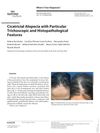 November 2018 in “Skin appendage disorders”
 The document concludes that a woman has both Frontal Fibrosing Alopecia and Lichen Simplex Chronicus, a previously unreported combination of conditions.
 March 2026 in “Editora Pasteur eBooks”
 Hair health is affected by various conditions and requires personalized treatment.
 March 2013 in “CRC Press eBooks”
 Follicular unit transplantation, a hair restoration technique using small hair grafts, was pioneered by Bob Limmer in the late 1980s and is still widely used today with minor improvements.
 August 2023 in “Journal of analytical & pharmaceutical research”
 Microneedle-assisted therapy with human basic fibroblast growth factor significantly regrew hair in patients with hair loss.
 15 citations
,
May 2004 in “Facial Plastic Surgery Clinics of North America”
15 citations
,
May 2004 in “Facial Plastic Surgery Clinics of North America” The document concludes that while "hair follicle cloning" shows promise for unlimited donor hair, it faces challenges with consistency and safety in humans.
5 citations
,
May 2009 in “American Journal of Dermatopathology” A rare hair follicle tumor showed unusual high levels of mucin.
Preserving intact follicular units improves hair transplant success.
January 2011 in “The Chinese Journal of Dermatovenereology” The woman's skin condition improved with specific oral and topical treatments.
 21 citations
,
April 2019 in “Clinical, cosmetic and investigational dermatology”
21 citations
,
April 2019 in “Clinical, cosmetic and investigational dermatology” The document concludes that stopping shaving or removing affected hair can alleviate Pseudofolliculitis barbae (PFB).
 27 citations
,
November 2008 in “Facial Plastic Surgery”
27 citations
,
November 2008 in “Facial Plastic Surgery” Follicular Unit Extraction is a less invasive hair transplant method with potential for natural results but has challenges like longer surgery time and higher cost.
 June 2020 in “Journal of Investigative Dermatology”
 Scientists successfully grew mini hair follicles using human skin cells, which could help treat baldness.
2 citations
,
July 2023 in “Animals” FGF10 and non-coding RNAs are important for cashmere goat hair follicle development.