6 citations
,
July 2004 in “JDDG Journal der Deutschen Dermatologischen Gesellschaft” Frontal fibrosing alopecia in postmenopausal women can be managed with early treatment using corticosteroids to stop hair loss.
 April 2023 in “Journal of Investigative Dermatology”
 Platelet-rich plasma treatment is generally safe and effective for hair loss, acne scars, skin discoloration, and facial rejuvenation, but deeper injections are better and multiple treatments can increase risk of side effects.
April 2024 in “Journal of clinical medicine” Effective treatment guidelines for frontal fibrosing alopecia are still unclear.
1 citations
,
June 2004 in “Sexuality, reproduction & menopause” Eflornithine cream effectively reduces facial hair in women with hirsutism.
 25 citations
,
December 2017 in “Facial Plastic Surgery”
25 citations
,
December 2017 in “Facial Plastic Surgery” Combination therapy with steroids and pimecrolimus improved or stabilized hair loss in most patients with Frontal Fibrosing Alopecia, who also had a high rate of hypothyroidism.
 April 2023 in “Journal of Investigative Dermatology”
 Dimethyl fumarate speeds up wound healing in IL-36Ra deficient mice by reducing NET formation and oxidative stress.

Laser treatments effectively increase hair growth in hair loss conditions.
 4 citations
,
January 2012 in “International Society of Hair Restoration Surgery”
4 citations
,
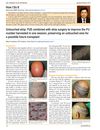
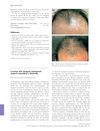
January 2012 in “International Society of Hair Restoration Surgery” Combining FUE and strip surgery increases hair harvested in one session and keeps options open for future transplants.
Microneedling improves the appearance and feel of post-burn scars.
 13 citations
,
February 2007 in “British Journal of Dermatology”
13 citations
,
February 2007 in “British Journal of Dermatology” EF and PXE not closely related.
 2 citations
,
March 2021 in “Dermatologic Therapy”
2 citations
,
March 2021 in “Dermatologic Therapy” Low-level laser therapy helps increase hair growth in female pattern hair loss but not in telogen effluvium.
March 2017 in “Jurnal materi dan pembelajaran fisika” Light diffraction helps in eye surgery, brain treatments, and detecting hair loss and genetic diseases.
 June 2026 in “Zenodo (CERN European Organization for Nuclear Research)”
 PRP therapy helps improve skin texture and elasticity.
1 citations
,
October 2025 in “Journal of Investigative Dermatology” Delgocitinib cream may help treat frontal fibrosing alopecia.
 57 citations
,
January 2003 in “Clinical and experimental dermatology”
57 citations
,
January 2003 in “Clinical and experimental dermatology” Postmenopausal frontal fibrosing alopecia is a type of hair loss in postmenopausal women that may stop on its own but has no effective treatment.

Radiofrequency microneedling improves the absorption of topical triamcinolone acetonide, especially with deeper needle insertion.
1 citations
,
April 2023 in “The Egyptian Journal of Hospital Medicine” Microneedling with PRP effectively improves atrophic acne scars.
January 2024 in “SAGE Open Medical Case Reports” Combining surgery and photodynamic therapy effectively treated a rare scalp condition when other treatments failed.
 February 2025 in “International Journal of STD & AIDS”
 Tofacitinib can cause unusual hair growth, requiring careful monitoring and possible laser hair removal.
 May 2019 in “Australasian Journal of Dermatology”
 The conclusion is that managing hair loss conditions like FFA and melanoma requires individualized approaches, considering new findings and balancing treatment benefits with potential risks.
January 2025 in “Surgical & Cosmetic Dermatology” Forehead reduction surgery can fix forehead defects and improve appearance.
 April 2026 in “SHILAP Revista de lepidopterología”
 Punch-based techniques in dermatologic surgery are effective for hair restoration but have variable results for other conditions.
 July 2002 in “Dermatologic Surgery”
 Some people's hair turned white or gray after using intense pulsed light for hair removal, and for some, it was permanent.
 July 2025 in “The Egyptian Journal of Hospital Medicine”
 Preparing scars with PRP or CO₂ laser improves hair transplant success.
 1 citations
,
May 2014 in “European Journal of Inflammation”
1 citations
,
May 2014 in “European Journal of Inflammation” A lotion with minoxidil, hydrocortisone butyrate, and 17a-estradiol can improve or stabilize Frontal Fibrosing Alopecia in some cases, but there's no universally-accepted treatment yet.
 4 citations
,
December 2016 in “Medical lasers”
4 citations
,
December 2016 in “Medical lasers” Lasers can be effective for treating hair loss from alopecia areata.
 62 citations
,
July 2018 in “Lasers in Medical Science”
62 citations
,
July 2018 in “Lasers in Medical Science” LED therapy is safe and shows potential for treating skin conditions and promoting hair growth, but more research is needed.
1 citations
,
December 2020 in “Medical lasers” The laser therapy device effectively increased hair growth in people with androgenetic alopecia.
3 citations
,
October 2023 in “Plastic & Reconstructive Surgery Global Open” Nanofat injections before hair transplantation improve eyebrow restoration in burn scars.
 February 2026 in “Trials”
 The Exfoliate-Dissolve-Repair skincare approach may effectively treat keratosis pilaris and reduce the need for corticosteroids.