February 2026 in “Expert Opinion on Pharmacotherapy” Low-dose oral and topical minoxidil are recommended for managing hair loss in transplant patients, with specific dosing and timing guidelines.
 December 2024 in “Brazilian Journal of Health Review”
 Early diagnosis of alopecia frontal fibrosante is crucial, but treatment remains controversial and varies.
 February 2025 in “The Open Dermatology Journal”
 Many COVID-19 survivors, especially women, experience hair loss and skin color changes, needing specific post-recovery care.
Frontal hair in male pattern baldness shows reduced growth and thickness.
7 citations
,
June 1978 in “Archives of Dermatology” Hair loss was likely caused by gymnastics activities on a balance beam.
 14 citations
,
July 1987 in “Dermatologic Clinics”
14 citations
,
July 1987 in “Dermatologic Clinics” The document concludes that treating female hair loss should target reducing excess androgen and blocking its effects on hair follicles, with the best treatments being hormonal therapy, adrenal suppression, and topical minoxidil.
 3 citations
,
February 1996 in “Dermatologic Surgery”
3 citations
,
February 1996 in “Dermatologic Surgery” Walter P. Unger suggests using advanced hair transplant techniques for broader coverage, as they provide natural results and use donor tissue efficiently, while also recommending personalized planning due to the unpredictable progression of baldness.
December 2025 in “Al-Azhar International Medical Journal /Al-Azhar International Medical Journal” Using both trichoscopy and folliscopy together improves hair loss diagnosis in men.
April 2024 in “International Journal of Women’s Dermatology” Lichen planopilaris should be considered in diagnosing scarring hair loss in Black women.
November 2021 in “International Journal of Trichology” Trichoscopy is effective for diagnosing and monitoring female pattern hair loss.
 7 citations
,
July 2018 in “Journal of Investigative Dermatology”
7 citations
,
July 2018 in “Journal of Investigative Dermatology” Gene differences found in hair follicles linked to male baldness.
3 citations
,
June 2015 in “CRC Press eBooks” Male pattern hair loss affects up to 80% of men due to genetics and hormone sensitivity.
 December 2025 in “Zenodo (CERN European Organization for Nuclear Research)”
 Hair loss is caused by mechanical, thermal, and metabolic factors, not just hormones.
 January 2011 in “Reactions Weekly”
 Long-term use of minoxidil may cause hair follicles to transform into noticeable terminal hairs, leading to trichostasis spinulosa.
 14 citations
,
March 2015 in “Facial plastic surgery clinics of North America”
14 citations
,
March 2015 in “Facial plastic surgery clinics of North America” Individualized assessment and meticulous planning are crucial for successful brow and upper eyelid surgery.
 12 citations
,
March 2013 in “Cancer Causes & Control”
12 citations
,
March 2013 in “Cancer Causes & Control” Early balding, especially frontal, increases prostate cancer risk; more research needed.
 5 citations
,
September 2011 in “Pediatric Dermatology”
5 citations
,
September 2011 in “Pediatric Dermatology” Two young siblings experienced hair loss without hormone issues or other skin problems.
 1 citations
,
June 2021 in “Curēus”
1 citations
,
June 2021 in “Curēus” A woman with hair loss had a benign sweat duct tumor found during a scalp biopsy.
 July 2026 in “Pakistan Armed Forces Medical Journal”
 Men with androgenic alopecia have lower hair density than those without.
 July 2026 in “Frontiers in Cellular and Infection Microbiology”
 Staphylococcus levels may indicate hair loss in men and could help develop new treatments.
June 2025 in “British Journal of Dermatology” Lichen planopilaris may have a genetic link.
January 2025 in “International journal of research studies in biosciences” Mitochondrial dysfunction and oxidative stress may play a role in Lichen Planopilaris.
 May 2024 in “Research Square (Research Square)”
 Pediatric androgenetic alopecia is linked to obesity, family history, hormonal imbalances, and requires personalized treatment including managing comorbidities.
 July 2019 in “Journal of Investigative Dermatology”
 The research found that male pattern hair loss is mostly genetic and involves hair thinning due to hormonal effects and changes in gene expression.
Early diagnosis and treatment of frontal fibrosing alopecia are crucial to prevent permanent hair loss.
 April 2012 in “Informa Healthcare eBooks”
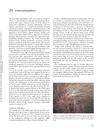
 Lichen planopilaris is a rare, chronic condition causing hair loss, mainly in middle-aged women, and early treatment is important to prevent permanent baldness.
January 2014 in “Jaypee Brothers Medical Publishers (P) Ltd. eBooks” Androgenetic alopecia is the most common cause of hair loss, affecting both men and women, with varying patterns and prevalence among different races.
 21 citations
,
June 2002 in “PubMed”
21 citations
,
June 2002 in “PubMed” The conclusion is that there might be a link between certain types of baldness and prostate cancer, which could be due to shared hormonal pathways.
 6 citations
,
January 2012 in “Springer eBooks”
6 citations
,
January 2012 in “Springer eBooks” Trichoscopy is not specific for diagnosing telogen effluvium and both telogen effluvium and androgenetic alopecia often occur together.
4 citations
,
January 2018 in “Annals of dermatology/Annals of Dermatology” Hair transplantation successfully treated hair loss in a patient with Trichorhinophalangeal syndrome.