 33 citations
,
September 2007 in “Veterinary dermatology”
33 citations
,
September 2007 in “Veterinary dermatology” Topical 0.1% tacrolimus significantly improved ear infections in cats.
 14 citations
,
July 2012 in “Journal of the American Academy of Dermatology”
14 citations
,
July 2012 in “Journal of the American Academy of Dermatology” Topical tacalcitol ointment can help improve symptoms of EFFC.
July 2024 in “Journal of Investigative Dermatology” ATR12-351 ointment safely delivers LEKTI protein to the skin, reducing enzyme activity in Netherton syndrome.
 23 citations
,
July 2008 in “British journal of dermatology/British journal of dermatology, Supplement”
23 citations
,
July 2008 in “British journal of dermatology/British journal of dermatology, Supplement” Topical contact sensitizers can treat certain skin conditions but are rarely used in the U.K.
September 2024 in “Journal of the American Academy of Dermatology” Lighter skin types respond better to narrowband UVB therapy for cutaneous T-cell lymphoma than darker skin types.
 June 2022 in “Pakistan Journal of Medical and Health Sciences”
 Topical clobetasol propionate 0.05% ointment is more effective in promoting hair regrowth in patients with alopecia areata than topical tacrolimus 0.1% ointment.
 7 citations
,
May 2015 in “Journal of The American Academy of Dermatology”
7 citations
,
May 2015 in “Journal of The American Academy of Dermatology” Finasteride helps treat frontal fibrosing alopecia, improving or stabilizing the condition in many patients.
5 citations
,
March 2023 in “PubMed” Advanced therapy medicinal products show promise for vitiligo treatment with fewer side effects, but affordability is a challenge.
 June 2025 in “ARSHI Veterinary Letters”
 The cat's skin condition improved and hair regrew after antifungal treatment.
1 citations
,
October 2010 in “EUR Research Repository (Erasmus University Rotterdam)” Botryomycosis can be effectively treated with long-term oral antibiotics.
October 2025 in “Pediatric Dermatology” UVFD helps quickly diagnose hair loss conditions in children.
 March 2025 in “Chinese Medical Journal”
 Topical finasteride effectively and safely increases hair growth in men with hair loss.
September 2024 in “Journal of the American Academy of Dermatology” Teledermatology can effectively treat certain skin conditions with topical treatments, reducing the need for in-person visits.
34 citations
,
November 2023 in “Applied Materials Today” Nanoemulsions can effectively treat skin cancer with fewer side effects.
60 citations
,
September 2001 in “British journal of dermatology/British journal of dermatology, Supplement” Topical contact sensitizers can treat certain skin conditions by changing the immune response.
January 2025 in “International Journal of Advanced Biochemistry Research” Nexgard successfully treated a husky's demodicosis.
5 citations
,
May 2015 in “The Journal of Dermatology” Topical corticosteroids can help treat severe alopecia areata when other treatments fail.
3 citations
,
March 2023 in “ACTA SCIENTIAE VETERINARIAE” Real-time PCR quickly and accurately detects ringworm in dogs.
 7 citations
,
January 2003 in “Nippon Ishinkin Gakkai Zasshi”
7 citations
,
January 2003 in “Nippon Ishinkin Gakkai Zasshi” The girl's scalp infection healed well with terbinafine treatment.
May 2018 in “Digital ProScholar Media eBooks” The new fluoroquinolone effectively fights certain bacteria.
February 2024 in “Al-Azhar International Medical Journal /Al-Azhar International Medical Journal” Betamethasone lotion works better for patchy hair loss.
8 citations
,
January 2009 in “Bulletin of the Veterinary Institute in Pulawy” A goat's skin infection was cured with itraconazole and D-biotin.
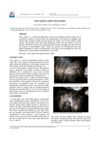
An adult Libyan woman was successfully treated for a rare scalp infection usually seen in children.
23 citations
,
October 2008 in “Journal of medicinal chemistry” PF-998425 is a new, effective, and non-phototoxic treatment for skin conditions related to androgens.
 July 2021 in “International journal of dermatology, venereology and leprosy sciences”
 Diphenylcyclopropenone is more effective and has fewer side effects than dinitrochlorobenzene for treating alopecia areata.
 January 2025 in “International Journal of Medical Arts”
 Topical sildenafil 1.0% may help increase hair count in female pattern hair loss.
 January 2025 in “Dermatology and Therapy”
 UVFT helps diagnose hair and scalp diseases by showing different fluorescence patterns.
5 citations
,
July 2018 in “Skin appendage disorders” Sunscreen spray on the scalp may be linked to a type of scarring hair loss.
December 2020 in “Jurnal RSMH Palembang (Online)” A man with a fungal scalp infection got better after treatment with griseofulvin, cetirizine, and ketoconazole shampoo.
 July 2018 in “Journal of The American Academy of Dermatology”
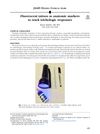
 Fluorescent tattoos are a good way to mark the scalp for hair treatments because they're accurate, invisible in normal light, and have low risk.