 April 2024 in “Archives of Dermatological Research”
 The approach improves scalp surgery results by tailoring techniques to defect size and location.
 7 citations
,
March 2017 in “Annals of Plastic Surgery”
7 citations
,
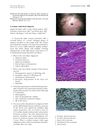
March 2017 in “Annals of Plastic Surgery” The new Mercedes flap variant effectively closed medium-sized scalp defects in a single operation with good cosmetic results and no complications.
 2 citations
,
August 2010 in “Journal of the American Academy of Dermatology”
2 citations
,
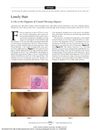
August 2010 in “Journal of the American Academy of Dermatology” A 65-year-old woman has a growing bald spot on her scalp.
 6 citations
,
June 2019 in “International Journal of Dermatology”
6 citations
,
June 2019 in “International Journal of Dermatology” Frontal fibrosing alopecia has occurred in two related male families.
 63 citations
,
October 2011 in “Archives of Dermatology”
63 citations
,
October 2011 in “Archives of Dermatology” Isolated long hairs at the original hairline can help diagnose Frontal Fibrosing Alopecia.
2 citations
,
January 2023 in “Skin Appendage Disorders” Frontal fibrosing alopecia may run in families.
 December 2024 in “Brazilian Journal of Health Review”
 Early diagnosis of alopecia frontal fibrosante is crucial, but treatment remains controversial and varies.
 9 citations
,
June 2014 in “Journal of Craniofacial Surgery”
9 citations
,
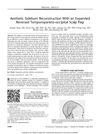
June 2014 in “Journal of Craniofacial Surgery” The method for sideburn reconstruction was safe and effective, giving natural-looking hair with minimal scarring.
 2 citations
,
December 2008 in “Clinical and Experimental Dermatology”
2 citations
,
December 2008 in “Clinical and Experimental Dermatology” A small forehead lesion led to the discovery of a significant brain arteriovenous malformation in a young girl.
17 citations
,
June 2016 in “Archives de Pédiatrie” Frontal fibrosing alopecia can occur in children, not just postmenopausal women.
 49 citations
,
January 2003 in “Clinical and Experimental Dermatology”
49 citations
,
January 2003 in “Clinical and Experimental Dermatology” The document concludes that post-menopausal frontal fibrosing alopecia is a poorly understood condition that does not respond well to common treatments.
Scalp reconstruction uses different methods to restore hair and skin, depending on the defect size.
 37 citations
,
January 2016 in “Australasian Journal of Dermatology”
37 citations
,
January 2016 in “Australasian Journal of Dermatology” Scalp melanomas are more dangerous and often missed, needing earlier detection.
 155 citations
,
September 2008 in “British journal of dermatology/British journal of dermatology, Supplement”
155 citations
,
September 2008 in “British journal of dermatology/British journal of dermatology, Supplement” FFA is more common in postmenopausal women, can affect younger women, and may stabilize over time.
3 citations
,
November 1992 in “The Journal of Dermatologic Surgery and Oncology” The method effectively reduces and hides scalp defects after surgery.
1 citations
,
May 2016 in “Hair transplant forum international”  5 citations
,
June 2022 in “Scientific Reports”
5 citations
,
June 2022 in “Scientific Reports” Scalp basal cell carcinoma in Asians is different from facial basal cell carcinoma, with unique features like being more common in younger people and having larger tumors.
 14 citations
,
September 2001 in “Dermatologic Surgery”
14 citations
,
September 2001 in “Dermatologic Surgery” The document concludes that following specific surgical guidelines can improve scalp surgery results and reduce complications.
 October 2024 in “Dermatology Practical & Conceptual”
 Porokeratosis should be considered for scalp lesions, with new treatments like topical cholesterol/lovastatin offering promise.
 33 citations
,
December 2013 in “Journal of cutaneous pathology”
33 citations
,
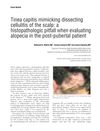
December 2013 in “Journal of cutaneous pathology” A fungal infection can look like a different scalp condition in teens, leading to wrong treatment until proper tests are done.
 26 citations
,
July 2006 in “Current Opinion in Otolaryngology & Head and Neck Surgery”
26 citations
,
July 2006 in “Current Opinion in Otolaryngology & Head and Neck Surgery” New techniques in scalp reconstruction have improved cosmetic results and reduced complications, especially for large defects.
 3 citations
,
April 2015 in “Dermatology practical & conceptual”
3 citations
,
April 2015 in “Dermatology practical & conceptual” Postmenopausal women can experience hairline recession, affecting their quality of life, and more research is needed for treatments.
 January 2018 in “Springer eBooks”
 Congenital triangular alopecia is a harmless, non-spreading hair loss condition often seen in young children.
 January 2026 in “Frontiers in Medicine”
 FFA and FAPD might be related or stages of the same disease.
332 citations
,
June 1994 in “Archives of Dermatology” Postmenopausal frontal fibrosing alopecia may be a unique condition linked to postmenopausal changes.
 April 2023 in “Journal of Investigative Dermatology”
 Protein analysis shows aging changes in scalp cell types from women.
Protein profiling of forehead skin can help distinguish between frontal fibrosing alopecia and androgenetic alopecia.
 January 1994 in “Hair transplant forum international”
 Scalp-reduction surgery can improve the area for hair transplants.
August 2019 in “Journal of the American Academy of Dermatology” Frontal fibrosing alopecia may be caused by an autoimmune reaction and hormonal imbalance.