Scalp involvement in primary cutaneous lymphomas is common and can be aggressive, requiring careful attention.
 1 citations
,
April 2024 in “Dermatology Practical & Conceptual”
1 citations
,
April 2024 in “Dermatology Practical & Conceptual” Thick scalp melanoma can be hard to diagnose because it often looks like other skin conditions.
31 citations
,
January 2016 in “Skin Appendage Disorders” Frontal fibrosing alopecia and vitiligo might be linked, not just coincidental.
 February 2002 in “Dermatologic Surgery”
 Best hair transplant results happen when tissues are least damaged.
July 2025 in “Journal of Oncology Research and Therapy”  April 2024 in “Deleted Journal”
 Scalp pain should be classified as a type of headache.
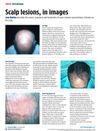 January 2015 in “Independent Nurse”
 Different scalp conditions can lead to hair loss or tumors, with treatments varying from creams to surgery; early detection is crucial.
5 citations
,
October 2019 in “JAAD Case Reports” These hair loss conditions might be part of a spectrum, not separate issues.
13 citations
,
November 2015 in “Journal of anesthesia” A woman permanently lost hair on her scalp after a long surgery.
 3 citations
,
January 2019 in “Indian Journal of Dermatology”
3 citations
,
January 2019 in “Indian Journal of Dermatology” Transverse scalp biopsy sections help diagnose different alopecias by showing hair follicle details and inflammation patterns.
10 citations
,
January 1979 in “PubMed” Minimal scalp shaving before neurosurgery reduces infections and offers psychological benefits.
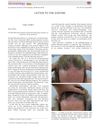 26 citations
,
June 2018 in “Australasian Journal of Dermatology”
26 citations
,
June 2018 in “Australasian Journal of Dermatology” Stopping sunscreen use on the forehead led to hair regrowth in a woman with frontal fibrosing alopecia.
 24 citations
,
February 2007 in “International Journal of Dermatology”
24 citations
,
February 2007 in “International Journal of Dermatology” A woman with cervical cancer had rare scalp metastasis causing a unique type of hair loss.
 January 1995 in “Surgical technology international”
 Using consecutive transposition flaps can manage gaps in hair growth after multiple hair loss surgeries.
 8 citations
,
September 2011 in “European Journal of Dermatology”
8 citations
,
September 2011 in “European Journal of Dermatology” Most treatments for Frontal Fibrosing Alopecia are ineffective, but early anti-inflammatory therapy may help and the condition may stabilize over time.
 February 2026 in “Clinical Cosmetic and Investigational Dermatology”
 Inverted Follicular Keratosis is rare but should be considered in scalp lesion diagnoses for all ages.
 1 citations
,
January 2020 in “Skin appendage disorders”
1 citations
,
January 2020 in “Skin appendage disorders” Finasteride may help treat frontal fibrosing alopecia, but more research is needed.
 11 citations
,
December 1921 in “Archives of dermatology and syphilology”
11 citations
,
December 1921 in “Archives of dermatology and syphilology” A rare scalp disease causes hair loss, pus-filled nodules, and scarring.
 7 citations
,
August 2019 in “Clinical and Experimental Dermatology”
7 citations
,
August 2019 in “Clinical and Experimental Dermatology” The Mona Lisa's high forehead and sparse eyebrows might be due to a hair loss condition or Renaissance fashion trends, but the actual reason is unknown.
 October 2023 in “Dermatology practical & conceptual”
 Folliculitis Decalvans and Frontal Fibrosing Alopecia can coexist in people with darker skin, showing features of both conditions.
 10 citations
,
January 2013 in “Actas Dermo-Sifiliográficas”
10 citations
,
January 2013 in “Actas Dermo-Sifiliográficas” Most white Spanish women have a widow's peak, and their hairline measurements could help in hair restoration surgery.
 7 citations
,
January 2019 in “Archives of Aesthetic Plastic Surgery”
7 citations
,
January 2019 in “Archives of Aesthetic Plastic Surgery” A forehead-supporting chair improves comfort and results in hair transplant surgery.
 1 citations
,
March 2020 in “Australasian Journal of Dermatology”
1 citations
,
March 2020 in “Australasian Journal of Dermatology” The paper concludes that recognizing bitemporal alopecia areata is important for early treatment and preventing its progression.
1 citations
,
May 2024 in “Skin Appendage Disorders” Early detection of Lichen Planopilaris is important to prevent worsening and misdiagnosis.
 December 2025 in “Голова и шея.”
 The (bi)eyebrow approach is better for frontal sinus injuries, reducing scarring and complications.
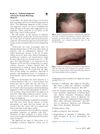 8 citations
,
December 2017 in “Journal of The American Academy of Dermatology”
8 citations
,
December 2017 in “Journal of The American Academy of Dermatology” The authors updated the criteria for diagnosing frontal fibrosing alopecia, making it easier to diagnose without a biopsy.
 1 citations
,
July 2021 in “Anais Brasileiros de Dermatologia”
1 citations
,
July 2021 in “Anais Brasileiros de Dermatologia” The conclusion is that three signs can help diagnose hair loss after it happens, potentially avoiding more invasive tests.
 1 citations
,
July 2024 in “Skin Research and Technology”
1 citations
,
July 2024 in “Skin Research and Technology” High-frequency ultrasound can effectively visualize and assess hair loss.
8 citations
,
March 2001 in “PubMed” A man developed recurring scalp inflammation and hair loss after a head injury.
March 2005 in “Journal of the American Academy of Dermatology” Cosmetic treatments can replenish key amino acids in damaged hair, improving its strength and appearance.