 1 citations
,
April 2016 in “The American Journal of the Medical Sciences”
1 citations
,
April 2016 in “The American Journal of the Medical Sciences” The document concludes that doctors should check for frontal fibrosing alopecia in patients with acquired hyperpigmentation and that early treatment is important.
 1 citations
,
July 1999 in “Plastic and Reconstructive Surgery”
1 citations
,
July 1999 in “Plastic and Reconstructive Surgery” The article discusses how to fix bad results from hair restoration surgery, with different doctors suggesting methods like adding more grafts, moving transplanted hair, or using smaller grafts.
 1 citations
,
July 1997 in “Inpharma Weekly”
1 citations
,
July 1997 in “Inpharma Weekly” Finasteride improves hair growth and satisfaction in men with male pattern baldness but may cause sexual side effects.
 January 2026 in “International Journal of Dermatology Venereology and Leprosy Sciences”
 Intradermal dutasteride effectively and safely improves hair growth in early-stage androgenetic alopecia.
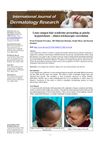 January 2026 in “International Journal of Dermatology Research”
 Early recognition of loose anagen hair syndrome is important to prevent misdiagnosis and unnecessary treatments.
 September 2025 in “International Society of Hair Restoration Surgery”
 Printable templates improve hair transplant accuracy and efficiency.
 August 2025 in “Research Square (Research Square)”
 High TNF-α levels may increase hair loss risk after PRP therapy.

Androgenetic alopecia is not linked to higher risks of hypertension or hyperaldosteronism.
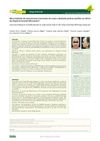 June 2024 in “BioSCIENCE”
 Microinfusion of methotrexate can help treat frontal fibrosing alopecia.
 May 2024 in “Clinical, cosmetic and investigational dermatology”
 5% topical minoxidil effectively treated a boy's congenital triangular alopecia without side effects.
 January 2024 in “Journal of Clinical Images and Medical Case Reports”
 Baricitinib may help treat frontal fibrosing alopecia and facial papules.
 November 2023 in “Cermin Dunia Kedokteran”
 Tinea capitis can affect mental health, but treatment improves both health and well-being.
 August 2023 in “International Ayurvedic medical journal”
 Improper diet, lifestyle, and stress are major causes of hair fall.
 August 2023 in “International journal of research and review”
 Homeopathy can effectively treat pattern hair loss by using remedies like Lycopodium Clavatum and Natrum Muriaticum, tailored to the patient's overall condition.
 December 2022 in “Jurnal Kesehatan Jompa”
 AAG causes hair loss in many people, with limited treatments like finasteride, minoxidil, light therapy, and hair transplants.
 July 2018 in “Elsevier eBooks”
 Stopping tight hairstyles can prevent and reduce traction alopecia.
 April 2012 in “Informa Healthcare eBooks”
 Alopecia areata is a common autoimmune condition causing varying hair loss, diagnosed by specific patterns of inflammation around hair follicles, with several treatment options available.
 March 2021 in “British Journal of Dermatology”
 PRP helps hair regrowth and thickness.
9 citations
,
November 2004 in “SKINmed Dermatology for the Clinician” A man with hair loss developed a condition causing scarring and inflammation in both bald and non-bald areas of his scalp.
7 citations
,
January 2019 in “Dermatology Online Journal” Ustekinumab treatment didn't prevent frontal fibrosing alopecia.
 7 citations
,
March 2002 in “Aesthetic Surgery Journal”
7 citations
,
March 2002 in “Aesthetic Surgery Journal” In 2002, hair restoration improved by using a different area for grafts and absorbable sutures, leading to less discomfort and better results.
1 citations
,
January 2024 in “Arab Board Medical Journal” Tofacitinib effectively regrows hair in alopecia areata patients, especially in younger individuals, with manageable side effects.
 October 2023 in “Dermatology practical & conceptual”
 Folliculitis Decalvans and Frontal Fibrosing Alopecia can coexist in people with darker skin, showing features of both conditions.
 1 citations
,
October 2023 in “Journal of the Pakistan Medical Association”
1 citations
,
October 2023 in “Journal of the Pakistan Medical Association” Folliculotropic mycosis fungoides can occur in children and is diagnosed with specific tests, but often stays in early stages with treatment.
December 2022 in “Zenodo (CERN European Organization for Nuclear Research)” Tofacitinib effectively treated severe alopecia areata in a 14-year-old girl.
January 2020 in “JAAD case reports” Hair loss condition FFA was seen before the appearance of skin depigmentation vitiligo in a patient.
 April 2023 in “The journal of investigative dermatology/Journal of investigative dermatology”
 Folliculotropic mycosis fungoides has unique molecular features and cell interactions that could guide targeted therapy.
February 2025 in “Archives of Dermatological Research” Fibrosing alopecia can be diagnosed without typical signs of lichen planopilaris.
 September 2025 in “Cureus”
 Early recognition and multidisciplinary management are crucial for improving outcomes in Parry-Romberg syndrome.
18 citations
,
July 2010 in “Journal of the American Academy of Dermatology” Folliculotropic mycosis fungoides can look like alopecia areata.