 June 2023 in “Historical records of Australian science/Historical Records of Australian Science”
 George Ernest Rogers was a notable scientist who made important discoveries about hair and wool proteins.
 May 2023 in “Pharma xplore : jurnal sains dan ilmu farmasi”
 Hair tonic with equal parts Moringa and rambutan leaf extracts grew rabbit hair longer and heavier than the control product.
 April 2023 in “Research Society and Development”
 Corticosteroids are safe and effective for treating Alopecia Areata.

A very low-calorie ketogenic diet led to weight loss and improved metabolic and hormonal health in obese men, with better sperm motility.
Lower LDL-c levels predict higher COVID-19 mortality.
 September 2022 in “Intisasi sains media”
 A young child with complete hair loss improved significantly with a combination of hair growth treatments and laser therapy.

Clinical signs don't match inflammation levels in lichen planopilaris and frontal fibrosing alopecia.
COVID-19 may be linked to hair loss called Telogen Effluvium, affecting quality of life and self-esteem.
 April 2022 in “Indexia revista médico - científica”
 Alopecia causes sudden hair loss, possibly due to genetic, environmental, or immune factors.
 February 2022 in “Programa de Iniciação Científica - PIC/UniCEUB - Relatórios de Pesquisa”
 PRP is more effective than Minoxidil for reducing hair loss and promoting hair growth.
 November 2021 in “Research, Society and Development”
 Individualized treatment and psychological support are crucial for alopecia.

Topical Minoxidil is effective for hair loss after COVID-19.

Micro-needling with growth factors and minoxidil improved hair growth in a balding man.
January 2020 in “Revista Dermatológica Centro Uraga” Recognizing trichoscopic features is crucial for diagnosing various hair loss conditions.
 December 2019 in “Medicina estética/Medicina estética”
 PRP may help improve hair transplant results.
 December 2019 in “Medicina estética/Medicina estética”
 PRP may help improve hair transplant results.
 September 2019 in “Romanian Journal of Pediatrics”
 Fetal skin can heal without scars, offering insights for better wound treatments.
 September 2018 in “Value in Health”
 Clinical pharmacists are crucial in improving patient safety by reporting medication errors in hospitals.
 September 2018 in “Value in Health”
 Kids from areas with more high school dropouts have higher rates of brain injuries.
 September 2018 in “Value in Health”
 Orphan drug benefit scores in Germany are influenced by phase III data and lack of alternatives, but not linked to price or discounts.
 May 2018 in “Más dermatología”
 The higher dose supplement was more effective in treating female hair loss.
 May 2017 in “Journal of microscopy and ultrastructure”
 Water quality affects mineral content in hair, and coconut oil can protect against damage.
SLC24A5 shows a clear selective sweep, but no link to UV radiation intensity.
Two nutritional supplements improved hair growth and reduced hair loss in women with hair loss conditions.
 September 2016 in “Más dermatología”
 New factors in female hair loss include genetics, hormones, stress, and inflammation; future treatments should also focus on these areas and consider the patient's emotional well-being.
 September 2016 in “Más dermatología”
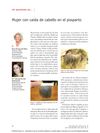
 Postpartum hair loss usually stops within 4-6 months.

Lichen planopilaris and frontal fibrosing alopecia are likely the same disease with different clinical appearances.
 January 2016 in “Surgical and Cosmetic Dermatology”
 Platelet-rich plasma treatment improved hair growth in men with male pattern baldness.
 September 2014 in “Springer eBooks”
 Men and women experience skin aging differently due to changes in sex hormone levels with age.
 March 2014 in “Medicina cutánea ibero-latino-americana”
 Melatonin applied to the scalp helps increase hair density in people with early hair loss.