 8 citations
,
October 2019 in “International Journal of Dermatology”
8 citations
,
October 2019 in “International Journal of Dermatology” The study concluded that combination therapy with topical corticosteroids and hydroxychloroquine or finasteride is effective in treating Frontal fibrosing alopecia in Asians.
25 citations
,
April 2008 in “Clinical and experimental dermatology” EFFC might be common but underreported.
February 2025 in “Journal of the European Academy of Dermatology and Venereology” Mogamulizumab can cause hair loss, often linked to a better treatment response.
8 citations
,
July 2020 in “Clinical, cosmetic and investigational dermatology” Excessive sun protection might cause frontal fibrosing alopecia by disrupting skin immune balance.
 72 citations
,
November 2012 in “PloS one”
72 citations
,
November 2012 in “PloS one” The protein folliculin, involved in a rare disease, works with another protein to control how cells stick together and their organization, and changes in this interaction can lead to disease symptoms.
 June 2022 in “IP Indian journal of clinical and experimental dermatology”
 A woman had a rare, non-cancerous skin growth on her face, which was removed and did not come back after a year.
 16 citations
,
February 2010 in “Journal of the European Academy of Dermatology and Venereology”
16 citations
,
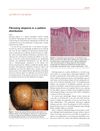
February 2010 in “Journal of the European Academy of Dermatology and Venereology” Fibrosing alopecia in a pattern distribution is a unique hair loss condition that may respond to antiandrogen therapy.
17 citations
,
February 2001 in “Journal of the American Academy of Dermatology” Lithium can cause skin changes similar to mycosis fungoides.
11 citations
,
October 2007 in “Journal of Investigative Dermatology” Mutations in the Sgk3 gene cause fuzzy hair in mice.
 1 citations
,
December 2017 in “Anais Brasileiros de Dermatologia”
1 citations
,
December 2017 in “Anais Brasileiros de Dermatologia” Frontal fibrosing alopecia can mimic traction alopecia but has distinct features like facial papules and eyebrow thinning.
September 2022 in “Medical Mycology” Malassezia fungi may contribute to hair loss and inflammation in androgenetic alopecia.
 November 2025 in “Archiv für Pathologische Anatomie und Physiologie und für Klinische Medicin”
 Sporadic trichoblastic neoplasms generally don't recur or spread, with one case showing a specific genetic fusion.
1 citations
,
January 2006 in “Maia-rivista Di Letterature Classiche” Polygonum multiflorum is used for health benefits but may cause liver issues.
 39 citations
,
July 2015 in “British Journal of Dermatology”
39 citations
,
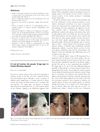
July 2015 in “British Journal of Dermatology” The pseudo 'fringe sign' can also appear in frontal fibrosing alopecia, not just in traction alopecia, showing that this condition may be more common than thought.
March 2005 in “Journal of the American Academy of Dermatology” Cosmetic treatments can replenish key amino acids in damaged hair, improving its strength and appearance.
 September 2023 in “Plant journal”
 A protein called GIS3 is important for the growth of root hairs in Arabidopsis by controlling two genes with the help of certain growth signals.
1 citations
,
April 2025 in “American Journal of Medical Genetics Part C Seminars in Medical Genetics” Eflornithine improved symptoms in Bachmann–Bupp Syndrome patients.
17 citations
,
October 2020 in “South African Medical Journal” Fungal infections are common in severe COVID-19 cases but their impact on disease severity is unclear.
December 2016 in “Anales del sistema sanitario de Navarra” Frontal fibrosing alopecia is increasing, especially in postmenopausal women, and treatment with finasteride can improve it.
18 citations
,
January 2018 in “Soil biology”  1 citations
,
April 2009 in “The Proceedings of the International Plant Nutrition Colloquium XVI”
1 citations
,
April 2009 in “The Proceedings of the International Plant Nutrition Colloquium XVI” Certain genes may promote longer root hairs in plants when phosphorus is low.
October 2024 in “Journal of Cutaneous Pathology” Compound follicles in folliculitis decalvans mainly have active hair follicles.
21 citations
,
August 2002 in “British Journal of Ophthalmology” Intralesional cidofovir may be a viable alternative treatment for SCC.
 April 2023 in “World Journal Of Advanced Research and Reviews”
 Cosmetic products or emotional factors might contribute to Frontal Fibrosing Alopecia, and trichoscopy is useful for diagnosis.
 September 2022 in “The American journal of dermatopathology/American journal of dermatopathology”
 Sunscreen particles were not found in inflamed or fibrotic areas of skin in FFA patients, suggesting no direct link to the disease.
15 citations
,
January 2009 in “Indian journal of dermatology, venereology, and leprology” Scalp white piedra can be treated with oral itraconazole and topical ketoconazole.
 April 2018 in “Journal of Investigative Dermatology”
 Fetuin A, Anigozanthos Flavidus extract, and Ovol2 affect wound healing and skin regeneration.
January 1982 in “Clinical Cosmetic and Investigational Dermatology” Familial dyskeratotic comedones are a rare, inherited skin condition that is hard to treat but may improve slightly with topical retinoids and urea cream.
18 citations
,
January 2002 in “Pediatric Dermatology” A rare skin condition in children can look like other diseases.
5 citations
,
March 1943 in “Archives of Dermatology and Syphilology” A rare case of severe scalp hair loss and nail issues in keratosis follicularis was observed.