4 citations
,
January 2017 in “Journal of dermatological treatment” Hair transplantation improved hair loss in a coup de sabre patient.
 3 citations
,
April 2019 in “Annals of hepatology”
3 citations
,
April 2019 in “Annals of hepatology” Peanut allergies can be transferred through organ transplants.
3 citations
,
February 2024 in “Journal of Medicine and Life” FUE is an effective method for restoring hair and improving quality of life after burns.
 1 citations
,
May 2015 in “Dermatologic Therapy”
1 citations
,
May 2015 in “Dermatologic Therapy” The microstrip technique for hair transplantation is effective and discreet for patients needing fewer than 1500 grafts.

The robotic system for hair restoration surgery works well, giving similar results to manual techniques after 9 months.
 87 citations
,
February 2004 in “Plastic and Reconstructive Surgery”
87 citations
,
February 2004 in “Plastic and Reconstructive Surgery” Hair follicle stem cells helped heal a severe scalp burn without needing traditional skin grafts.
 27 citations
,
November 2008 in “Facial Plastic Surgery”
27 citations
,
November 2008 in “Facial Plastic Surgery” Follicular Unit Extraction is a less invasive hair transplant method with potential for natural results but has challenges like longer surgery time and higher cost.
December 2024 in “Caderno Pedagógico” Scalp health is crucial for successful hair transplants, but more research is needed to improve care practices.
 December 2023 in “Facial Plastic Surgery”
 Follicular unit excision (FUE) is a popular hair transplant method that avoids a linear scar but has potential challenges and side effects if not done properly.
 8 citations
,
March 2016 in “Hair transplant forum international”
8 citations
,
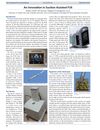
March 2016 in “Hair transplant forum international” The new FUE device improves hair transplant safety and efficiency.
 September 2010 in “Hair transplant forum international”
 Graft coordinators are becoming more important in hair transplant procedures.
 2 citations
,
June 2020 in “Dermatologic Surgery”
2 citations
,
June 2020 in “Dermatologic Surgery” Fat grafting before hair transplant may improve hair growth in scarring alopecia.
 June 2026 in “Journal of Craniofacial Surgery”
 Scalp necrosis is a rare but serious complication of hair transplantation that requires early detection and treatment.
 10 citations
,
December 1997 in “Plastic and Reconstructive Surgery”
10 citations
,
December 1997 in “Plastic and Reconstructive Surgery” Hair restoration surgery has improved with better techniques for natural looks and managing patient expectations, but it remains labor-intensive and requires careful consideration of potential complications.
September 2003 in “International Society of Hair Restoration Surgery” Transplanted hair keeps growing like it did in the donor area.
 1 citations
,
December 2015 in “Journal of the Medical Sciences (Berkala Ilmu Kedokteran)”
1 citations
,
December 2015 in “Journal of the Medical Sciences (Berkala Ilmu Kedokteran)” Transplanting melanocyte stem cells from hair follicles can effectively treat vitiligo.
1 citations
,
June 2023 in “JPRAS Open” The hole technique is faster and effective for hair transplant site creation.
 3 citations
,
February 1996 in “Dermatologic Surgery”
3 citations
,
February 1996 in “Dermatologic Surgery” Walter P. Unger suggests using advanced hair transplant techniques for broader coverage, as they provide natural results and use donor tissue efficiently, while also recommending personalized planning due to the unpredictable progression of baldness.
 September 2009 in “Hair transplant forum international”
 Changing the direction of cuts can make it easier to put in implants.
 March 2024 in “JEADV. Journal of the European Academy of Dermatology and Venereology/Journal of the European Academy of Dermatology and Venereology”
 Hair transplant surgery using micropunch can cause blood vessel damage similar to vasculitis in some cases.
 December 2015 in “Actas Dermo-Sifiliográficas”
 Hair transplantation for Frontal Fibrosing Alopecia may work if the disease is inactive for 2 years and with ongoing treatment to maintain results.
June 2022 in “Narrative Inquiry in Bioethics” Organ transplants can greatly improve life but also bring challenges, requiring empathy and better communication from providers.
11 citations
,
January 2019 in “Dermatologic Surgery” Hair follicle transplants help heal wounds, but scar quality and hair growth vary by location.
 10 citations
,
May 2009 in “Journal of The American Academy of Dermatology”
10 citations
,
May 2009 in “Journal of The American Academy of Dermatology” Technique effectively reconstructs large scalp defects with minimal hair loss and visible scarring.
May 2024 in “Cardiometry” Hair transplants can sometimes restore original hair color in gray or white hair.
 January 2019 in “Springer eBooks”
 Transplanting skin cells is a safe, effective, and affordable treatment for vitiligo.
3 citations
,
February 2001 in “Infectious Diseases in Clinical Practice” Hair transplants can lead to serious infections, so avoid corticosteroids and ensure clean, well-managed wounds.
 June 2004 in “Dermatologic Surgery”
 Dr. Walter P. Unger suggests that copying a person's natural hair direction and angle during transplants leads to a more natural and fuller appearance.

The document concludes that the FOLLYSIS© system improves hair transplant processes and patient monitoring with high accuracy and less skin trauma.
 March 1985 in “Head & Neck Surgery”
 Hair transplantation improves life quality by addressing scars, aging, and genetic flaws, but is limited by the availability of the patient's own hair for donation.