 2 citations
,
July 2019 in “PLOS ONE”
2 citations
,
July 2019 in “PLOS ONE” Certain genetic variations are linked to higher liver enzyme levels in patients treated for chronic hepatitis C with specific drugs.
5 citations
,
July 2022 in “Radiation Research” The mouse model helps study and develop treatments for radiation-induced saliva reduction.
1 citations
,
December 2016 in “Revista română de medicină de laborator” The NIPAL4 mutation c.527C>A is common in Romanian patients with autosomal recessive congenital ichthyosis.
 5 citations
,
July 2014 in “Acta Crystallographica Section D-biological Crystallography”
5 citations
,
July 2014 in “Acta Crystallographica Section D-biological Crystallography” Mutations in the enzyme don't significantly change how it binds to its specific substances.
 July 2026 in “Journal of the American Academy of Dermatology”
 GLP-1 and GLP-1/GIP agonists may increase the risk of hair loss.
 December 2023 in “Alzheimer's & dementia”
 Finasteride may help reduce anxiety and depression in elderly but might cause depression in young men.
 April 2024 in “bioRxiv (Cold Spring Harbor Laboratory)”
 GRK2 is essential for healthy hair follicle function, and its absence can lead to hair loss and cysts.
Four genes are linked to alopecia areata, with two increasing risk and two offering protection.
1 citations
,
October 2023 in “Heliyon” An infant with Hutchinson-Gilford Progeria Syndrome had successful surgery to fix breathing issues caused by a new genetic mutation.
5 citations
,
January 2016 in “Open Journal of Regenerative Medicine” Myoblast transplantation shows promise for treating various muscle and heart conditions.
11 citations
,
March 2024 in “Current Issues in Molecular Biology” Ginsenoside compound K shows promise for treating metabolic diseases like diabetes and obesity.
16 citations
,
September 2006 in “The Journal of Immunology” MILL molecules are unique immune proteins in mice that don't need TAP to appear on cell surfaces.
4 citations
,
March 2018 in “Animal biotechnology” The LAMTOR3 gene is involved in cashmere goat hair growth and is affected by certain treatments and other genes.
 237 citations
,
February 2016 in “Science Translational Medicine”
237 citations
,
February 2016 in “Science Translational Medicine” The timing of when the gene Bmal1 is active affects aging and survival, with its absence during development, not adulthood, leading to premature aging.
April 2019 in “Journal of the Endocrine Society” Androgens and estrogens are crucial for insulin secretion in males.
3 citations
,
February 2018 in “Experimental and Molecular Medicine/Experimental and molecular medicine” A protein called PCBP2 controls the production of a hair growth protein by interacting with its genetic message and is linked to hair loss when this control is disrupted.
 March 2026 in “Journal of Personalized Medicine”
 Genetic differences affect breast cancer treatment success with tamoxifen in South African patients.
August 2019 in “Carolina Digital Repository (University of North Carolina at Chapel Hill)” DHT enhances androgen receptor activity more than testosterone, and MAGE-11 influences this activity through specific interactions.
 3 citations
,
November 2022 in “Frontiers in molecular biosciences”
3 citations
,
November 2022 in “Frontiers in molecular biosciences” Plasmalogens activate a channel in cells that may stimulate hair growth.
 1 citations
,
January 2024 in “Nature communications”
1 citations
,
January 2024 in “Nature communications” Activating TLR5 in the gut can extend lifespan and improve health in aged mice.
 January 2016 in “Human & Experimental Toxicology”
 A specific DNA sequence caused hair loss in male mice by activating immune cells and increasing a certain immune signal.
 68 citations
,
November 2012 in “Journal of Investigative Dermatology”
68 citations
,
November 2012 in “Journal of Investigative Dermatology” Prostaglandin D2 blocks new hair growth after skin injury through the Gpr44 receptor.
 February 2024 in “BMC genomics”
 The TRPV3 gene variant may cause the long-haired suri alpaca coat.
July 2025 in “International Journal of Dermatology” Defective nuclear transport may cause gene expression changes in Progeria.
18 citations
,
June 2016 in “Brain Research” Increasing TSPO in the brain may help improve memory problems.
15 citations
,
June 2020 in “The journal of investigative dermatology/Journal of investigative dermatology” Mice with extra human KLK14 had hair and skin problems, including weaker cell bonds and inflammation, linked to Netherton syndrome.
January 2025 in “Journal of College of Physicians And Surgeons Pakistan” Minimally invasive glaucoma surgery can effectively manage glaucoma in GAPO syndrome when other treatments fail.
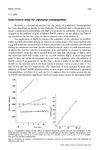 19 citations
,
November 1971 in “Clinica Chimica Acta”
19 citations
,
November 1971 in “Clinica Chimica Acta” The document concludes that measuring γ-glutamyl transpeptidase activity is more accurate with a higher substrate concentration and using diluted acetic acid to stop the reaction.
 January 2025 in “Clinical and Translational Medicine”
 A specific RNA can help hair growth in baldness by boosting stem cell activity.