 72 citations
,
June 2019 in “International Journal of Cosmetic Science”
72 citations
,
June 2019 in “International Journal of Cosmetic Science” 18β-glycyrrhetinic acid from licorice root is good for skin and hair treatments but has absorption challenges.
 1 citations
,
October 2025 in “Iranian journal of pharmaceutical research”
1 citations
,
October 2025 in “Iranian journal of pharmaceutical research” Geranyl acetate can protect skin cells from damage and inflammation caused by para-phenylenediamine.
 10 citations
,
January 2021 in “Journal of Ginseng Research”
10 citations
,
January 2021 in “Journal of Ginseng Research” Red ginseng oil may help grow hair and protect skin from UVC light.
 15 citations
,
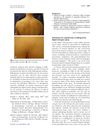
October 2006 in “Journal of the American Academy of Dermatology”
15 citations
,
October 2006 in “Journal of the American Academy of Dermatology” Liquid nitrogen spray caused a temporary, harmless swelling under the skin in an elderly woman.
 March 2026 in “World Journal of Biology Pharmacy and Health Sciences”
 The polyherbal hair oil is stable, cosmetically acceptable, and a potential natural alternative to synthetic hair products.
September 2024 in “Journal of Ethnopharmacology” Terminalia bellirica extracts effectively promote hair regrowth and treat androgenetic alopecia.
March 2019 in “Reactions Weekly” January 2025 in “Biochimica et Biophysica Acta (BBA) - Molecular Cell Research” Green tea compound EGCG may help hair growth by boosting cell activity.
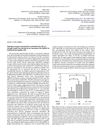 19 citations
,
September 2011 in “Journal of Dermatological Science”
19 citations
,
September 2011 in “Journal of Dermatological Science” TGF-β1 increases androgen receptor activity in hair loss, but Hic-5/ARA55 can counter this effect.
 February 2024 in “Trends in Sciences”
 Store Tectona grandis leaf extracts in slightly acidic, light-protected conditions for best stability.
 12 citations
,
September 2018 in “International Journal of Cosmetic Science”
12 citations
,
September 2018 in “International Journal of Cosmetic Science” Palmitoyl tetrapeptide-20 may help reduce hair greying and increase melanin production.
 December 2025 in “Fullerene Journal of Chemistry”
 Geranylgeraniol from nutmeg may effectively treat hair loss, similar to finasteride and better than minoxidil.
1 citations
,
October 2025 in “Journal of Investigative Dermatology” Delgocitinib cream may help treat frontal fibrosing alopecia.
 January 2020 in “Journal of Pharmacognosy and Phytochemistry”
 The VCO-based herbal hair tonic is effective, safe for hair loss treatment, and can be mass-produced.
May 2021 in “Research journal of topical and cosmetic sciences” TrichovitalsTM improved skin, hair, and nail health in adults after 12 weeks.
July 2024 in “Fitoterapia” Camellia oleifera seed shell polyphenols and 1,3,6-tri-O-galloylglucose can help treat hair loss by reducing certain hormones and promoting hair growth.
January 2026 in “Journal of Dermatological Treatment” GT20029 showed some hair growth improvement, but longer studies are needed for better results.
 7 citations
,
October 2019 in “Clinical, Cosmetic and Investigational Dermatology”
7 citations
,
October 2019 in “Clinical, Cosmetic and Investigational Dermatology” Certain gene variations in the Vitamin D receptor may increase the risk of chronic hair loss.
26 citations
,
August 2018 in “Journal of Investigative Dermatology” Activating TRPV3 reduces skin oil production and increases inflammation, potentially causing dry skin issues.
9 citations
,
October 2025 in “MedComm” PROTACs offer new ways to treat hard-to-target diseases, with promising drugs for cancer in advanced trials.
 1 citations
,
July 2011 in “The Egyptian Journal of Anatomy”
1 citations
,
July 2011 in “The Egyptian Journal of Anatomy” Both TCA and GA peels effectively improved skin thickness and collagen without significant differences.
December 2015 in “아시안뷰티화장품학술지” Green tea's EGCG has various health benefits, including antioxidant properties, skin protection, cancer cell growth inhibition, anti-inflammatory effects, fat breakdown, detoxification, diabetes management, hair growth stimulation, and prevention of gum disease.
36 citations
,
October 2019 in “Cell Proliferation” Tryptanthrin effectively suppresses non-melanoma skin cancer and is safe for normal skin.
 1 citations
,
March 2020 in “Functional foods in health and disease/Journal of functional foods in health & disease”
1 citations
,
March 2020 in “Functional foods in health and disease/Journal of functional foods in health & disease” OM-X® helped prevent negative effects of Vitamin C deficiency in mice, suggesting it could protect organs and regulate metabolism.
 1 citations
,
December 2022 in “Journal of cosmetic dermatology”
1 citations
,
December 2022 in “Journal of cosmetic dermatology” The combination of vitamin D analogues with potent steroids is a favorable treatment for alopecia areata with fewer side effects.
1 citations
,
January 1981 in “Elsevier eBooks” Melatonin stops melanin production after tyrosinase action, with cyclic GMP mimicking this effect.
May 2026 in “Colloids and Surfaces B Biointerfaces”  18 citations
,
March 2002 in “The journal of investigative dermatology/Journal of investigative dermatology”
18 citations
,
March 2002 in “The journal of investigative dermatology/Journal of investigative dermatology” Estrogen increases blood vessel growth factor production, while testosterone blocks this increase.
 October 2023 in “JOJ dermatology & cosmetics”
 Thiocyanate helps hair growth and can be supplemented in diet or applied topically.
4 citations
,
January 2004 DanGuiBoHyulTangGami-Bang helps hair growth but doesn't extend the growth period or affect hair follicle cells significantly.