April 2026 in “Journal of Dermatological Treatment” CGF and i-PRF are more effective and safer than PRP for treating female pattern hair loss.
 10 citations
,
October 2015 in “Medicina Clínica (english Edition)”
10 citations
,
October 2015 in “Medicina Clínica (english Edition)” Recombinant human epidermal growth factor is versatile, effective, and safe for long-term skin and mucosal treatments.
 January 2024 in “Biomaterials Research”
 3D-cultured cells in HGC-coated environments improve hair growth and skin integration.
 2 citations
,
June 2024 in “Frontiers in Plant Science”
2 citations
,
June 2024 in “Frontiers in Plant Science” LLPS is crucial for RALF signaling, aiding plant growth and stress resilience.
June 1967 in “Journal of Cellular Physiology” The 3D hair follicle model improves understanding of hair growth and drug testing.
December 2004 in “Reproduction Fertility and Development” Porcine hair follicles are useful for studying keratinocyte function, with galectin-1 as a potential stem cell marker.
1 citations
,
January 2019 in “Journal of Biomedical Science and Engineering” CGF from platelets helps hair regrowth in people with androgenetic alopecia.
September 2019 in “Journal of Investigative Dermatology” PCE-DP brightens skin and promotes hair growth by enhancing cell growth and reducing melanin uptake.
 26 citations
,
March 2013 in “Journal of Biomedical Materials Research Part A”
26 citations
,
March 2013 in “Journal of Biomedical Materials Research Part A” Researchers created a 3D hydrogel that mimics human hair follicles, which may help with hair loss treatments.
 12 citations
,
February 1998 in “Gene”
12 citations
,
February 1998 in “Gene” The B2 genes are crucial for hair growth in rats.
 11 citations
,
August 2019 in “Journal of Molecular Histology”
11 citations
,
August 2019 in “Journal of Molecular Histology” NFIC helps rat dental cells grow and turn into bone-like cells.
 June 2024 in “International journal of biological macromolecules”
 The hydrogel effectively stops bleeding and heals diabetic wounds quickly.
January 2016 in “British Biotechnology Journal” DP cells can help in hair growth and regenerative medicine.
 August 2024 in “Biomolecules & Therapeutics”
 A new compound, HTPI, promotes hair growth by protecting cells from damage and regulating energy use.

Pygo2 is important for early growth and progression of intestinal tumors, and could be a target for treating cancers with certain mutations.
 41 citations
,
June 2006 in “Journal of Investigative Dermatology”
41 citations
,
June 2006 in “Journal of Investigative Dermatology” Beard and scalp hair cells have different gene expressions, which may affect beard growth characteristics.
 29 citations
,
January 2010 in “Journal of oleo science”
29 citations
,
January 2010 in “Journal of oleo science” MEL-A from soybean oil can boost fibroblast and papilla cells, potentially aiding hair growth.
32 citations
,
February 2002 in “Veterinary Dermatology” Canine dermal papilla cells and fibroblasts have distinct growth patterns and protein expressions.
1 citations
,
July 2024 in “International Journal of Molecular Sciences” MicroRNA-181a slows sheep hair growth by targeting GNAI2 and affecting a key growth pathway.
 16 citations
,
February 2010 in “Journal of the European Academy of Dermatology and Venereology”
16 citations
,
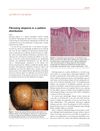
February 2010 in “Journal of the European Academy of Dermatology and Venereology” Fibrosing alopecia in a pattern distribution is a unique hair loss condition that may respond to antiandrogen therapy.
 August 2023 in “Processes”
 Fermenting Dendrobium officinale with Lactobacillus reuteri CCFM8631 increases its skin care benefits.
Nano-liposome-bound EGF can delay hair growth in rats.
EGF and FGF signaling stops hair follicle development in mice.
 5 citations
,
September 2015 in “PLoS ONE”
5 citations
,
September 2015 in “PLoS ONE” Gelfoam® histoculture supports long-term hair and nerve growth in mouse whisker follicles.
 3 citations
,
November 2018 in “Journal of cellular physiology”
3 citations
,
November 2018 in “Journal of cellular physiology” Serenoa repens and N-acetyl glucosamine/milk proteins complex may help with hair growth and prevent hair loss.
1 citations
,
May 2024 in “Animal Biotechnology” Reducing miR-361-5p boosts hair growth in cashmere goats by activating stem cells.
 9 citations
,
April 2019 in “International journal of molecular sciences”
9 citations
,
April 2019 in “International journal of molecular sciences” Human hair grows better in a special gel that mimics skin.
 1 citations
,
February 2023 in “All Life”
1 citations
,
February 2023 in “All Life” The research identified proteins that change as goat hair follicles begin to form, helping to understand how cashmere grows.
January 2015 in “Seoul National University Open Repository (Seoul National University)” Polyunsaturated fatty acids, especially arachidonic acid and eicosapentaenoic acid, can promote hair growth.
December 2019 in “Reproduction Fertility and Development” A new method helps grow skin stem cells better, which could improve skin grafts for burn victims.