 2 citations
,
October 2015 in “Human Gene Therapy”
2 citations
,
October 2015 in “Human Gene Therapy” The congress highlighted new gene therapy techniques and cell transplantation methods for treating diseases.
1 citations
,
June 2025 in “International Journal of Molecular Sciences” Hirsutism in GCC countries is influenced by genetics, obesity, and lifestyle, with cultural stigma delaying treatment, highlighting the need for tailored health strategies.
 1 citations
,
June 2023 in “Curēus”
1 citations
,
June 2023 in “Curēus” PCOS affects nearly 25% of female medical and dental students, impacting their academic and social lives.
1 citations
,
April 2023 in “Animals” Deleting the EDAR gene in Cashmere goats affects genes and proteins related to hair growth.
1 citations
,
January 2022 in “Dermatology Research and Practice” Higher CD70 and CD27 gene expression in alopecia areata lesions predicts disease severity and activity.
 1 citations
,
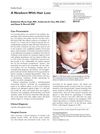
February 2013 in “Clinical pediatrics”
1 citations
,
February 2013 in “Clinical pediatrics” The baby’s hair loss was due to a rare genetic condition, not treatable by usual methods.
 1 citations
,
January 2013 in “Journal of Investigative Dermatology”
1 citations
,
January 2013 in “Journal of Investigative Dermatology” The document concludes that stem cells and their environments are crucial for skin and hair health and have potential for medical treatments.
 May 2026 in “The EMBO Journal”
 Skin aging can be slowed by targeting cells, hormones, and the microbiome.
A genetic mutation in the CDH3 gene causes hair loss and vision problems in a young Saudi girl.
 March 2026 in “Aging Research”
 Personalized anti-aging strategies are important, considering genetics and lifestyle.
 November 2025 in “EXPERIMENTAL ANIMALS”
 Stingless bee propolis may help regenerate hair follicles and improve pigment function in chemotherapy-induced hair loss.
July 2025 in “Human Genomics” New LSS gene variants help understand congenital hypotrichosis 14 better.
July 2025 in “Genome biology” HT-scCAT-seq helps understand gene regulation in embryonic skin development.
Wasabi leaf extract affects gene expression in skin cells.
January 2025 in “Case Reports in Genetics” A rare gene variant causes sexual development issues in siblings, needing personalized treatment.
 December 2024 in “Quality in Sport”
 PCOS involves immune system issues and inflammation, possibly leading to autoimmune diseases.
 October 2024 in “Journal of the Endocrine Society”
 Ayme-Gripp Syndrome was confirmed in a woman through genetic testing, highlighting the need to consider rare genetic conditions in diagnoses.
 April 2024 in “International Journal of Advanced Multidisciplinary Research and Studies”
 Early investigation and a team approach are crucial for managing primary amenorrhea effectively.
March 2024 in “Agriculture” CRISPR/Cas9 gene-editing shows promise for improving sheep and goat breeding but faces challenges with efficiency and accuracy.
February 2024 in “Veterinary sciences” Canine pemphigus foliaceus involves significant immune activity and shares similarities with human pemphigus.
 January 2024 in “Epidemiology international journal”
 19.7% of Afro-Caribbean women in Tobago have PCOS.
 September 2023 in “International journal of science and healthcare research”
 Genetic testing is crucial for diagnosing congenital atrichia, a rare condition causing irreversible hair loss.
 June 2023 in “Frontiers in Genetics”
 Genes related to calcium signaling and lipid metabolism are important for curly hair in Mangalitza pigs.
 January 2023 in “Indian dermatology online journal”
 A child with ectodermal dysplasia-syndactyly syndrome has a new mutation in the NECTIN4 gene.
 January 2023 in “Annals of Dermatology”
 Patients with a specific genetic variant have more severe alopecia areata and higher recurrence rates.
 September 2022 in “IP Indian journal of clinical and experimental dermatology”
 An 8-year-old girl has a rare genetic disorder causing complete, irreversible hair loss and skin bumps.

Certain gene variations and different levels of BDNF and CRH hormones are linked to vitiligo.
January 2022 in “Mammalian Genome” The wavy coat in NCT mice is caused by multiple genes, including a mutation in the Prss53 gene.
 December 2021 in “Journal of oncology research reviews & reports”
 Polycystic Ovary Syndrome (PCOS) can lead to diabetes, heart disease, cancer, and mental health problems.
 October 2021 in “Dermatology Reports”
 Higher IL-17A levels indicate more severe alopecia areata.