5 citations
,
March 1981 in “PubMed” A girl grew extra hair in areas where she had insect bites.
 8 citations
,
February 2005 in “Veterinary dermatology”
8 citations
,
February 2005 in “Veterinary dermatology” Chesapeake Bay retrievers' hair loss is likely a breed-specific, hereditary condition linked to abnormal steroid levels and distinct skin changes.
3 citations
,
January 2002 in “Actas Dermo-Sifiliográficas” Excessive minoxidil use can damage hair structure.
December 2025 in “Antibiotics” Tinea capitis in older adults is often misdiagnosed but can be effectively treated with antifungal therapy.
April 2021 in “Cermin Dunia Kedokteran” Two siblings with tinea capitis improved after treatment with ketoconazole.
56 citations
,
September 2010 in “Veterinary pathology” Certain mouse strains develop a skin condition similar to a human hair loss disease due to genetic defects.
 15 citations
,
January 2014 in “Dermatology”
15 citations
,
January 2014 in “Dermatology” Some patients with a type of skin lymphoma can experience a rare, non-scarring hair loss that looks like another hair loss condition but has distinct features.
33 citations
,
November 1999 in “The Veterinary clinics of North America. Small animal practice/Veterinary clinics of North America. Small animal practice” Dogs with zinc-responsive dermatosis need zinc supplements or dietary changes for treatment.
 124 citations
,
August 1994 in “Journal of Investigative Dermatology”
124 citations
,
August 1994 in “Journal of Investigative Dermatology” Dexamethasone speeds up hair loss in mice, while cyclosporin A slows it down.
2 citations
,
May 2022 in “International journal of trichology” Plica neuropathica is a tangled hair condition that may be caused by hair damage or psychiatric issues and is treated by cutting the hair and addressing mental health.
10 citations
,
June 1999 in “Veterinary Dermatology” Two cows had a rare hair disorder causing hair loss but were otherwise healthy.
 March 2024 in “Jurnal Ilmu Kesehatan Hewan”
 The treatment was effective for the puppy's skin and intestinal infections.
33 citations
,
October 2005 in “Journal of Investigative Dermatology” A specific gene mutation causes sparse, brittle hair in a family.
 March 2026 in “Journal of Sustainable Veterinary and Allied Sciences”
 The dog fully recovered after treatment for skin and tick-borne infections.
12 citations
,
April 2013 in “Clinical & experimental ophthalmology” Demodex blepharitis can be mistaken for eyelid cancer, so careful diagnosis is crucial.
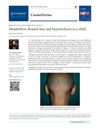 January 2026 in “Cosmoderma”
 A 9-year-old girl has a rare hair disorder causing beaded, sparse hair.
1 citations
,
January 2008 in “SKINmed Dermatology for the Clinician” Treatment with prednisolone and dapsone stopped new blisters and partially healed previous ones.
 April 2024 in “Jurnal Ilmu Kesehatan Hewan”
 The cat fully recovered after treatment and showed no further symptoms.
 18 citations
,
April 1986 in “International Journal of Cosmetic Science”
18 citations
,
April 1986 in “International Journal of Cosmetic Science” Minoxidil promotes hair regrowth in early baldness stages and prevents baldness in non-bald scalps.
 5 citations
,
December 2005 in “Clinical Techniques in Equine Practice”
5 citations
,
December 2005 in “Clinical Techniques in Equine Practice” Skin and hair changes in horses can indicate serious diseases, and recognizing these signs is important for treatment and management.
 23 citations
,
January 2010 in “Journal of Medical Primatology”
23 citations
,
January 2010 in “Journal of Medical Primatology” Hair loss in Rhesus macaques may be caused by a skin allergy-related condition.
The chapter explains causes of hair loss and excessive hair growth in animals.
 25 citations
,
October 2018 in “Journal of The American Academy of Dermatology”
25 citations
,
October 2018 in “Journal of The American Academy of Dermatology” Erosive pustular dermatosis of the scalp is a type of skin inflammation often confused with other conditions, requiring continuous treatment.
June 2011 in “European Journal of Pediatric Dermatology” An 11-year-old girl with hair thinning was diagnosed with monilethrix and early androgenetic alopecia.
July 2025 in “Journal of Investigative Dermatology” Topical minoxidil is dangerous for cats and dogs.
1 citations
,
April 2025 in “Journal of Feline Medicine and Surgery” Early diagnosis and treatment by vets are crucial for managing rare but severe feline skin disorders.
 6 citations
,
February 2016 in “American Journal of Dermatopathology”
6 citations
,
February 2016 in “American Journal of Dermatopathology” The boy with woolly hair nevus had thinner hair and abnormal hair follicles, which improved with treatment but worsened when treatment stopped.
 5 citations
,
January 2022 in “Journal of Clinical Medicine”
5 citations
,
January 2022 in “Journal of Clinical Medicine” Dermoscopy and trichoscopy are useful for diagnosing skin signs in Dermatomyositis.

Orchiectomy and melatonin helped a German Spitz regrow hair lost due to alopecia X.

The document showed detailed images of skin structures and discussed skin diseases and their diagnosis.