 April 2026 in “International Journal of Drug Delivery Technology”
 Alopecia can often be managed effectively with various treatments, but early diagnosis is crucial for preventing permanent hair loss.
 March 2026 in “Editora Pasteur eBooks”
 Alopecia androgenética is common hair loss affecting self-esteem, treatable with medications and procedures.
 March 2026 in “Aging Research”
 Personalized anti-aging strategies are important, considering genetics and lifestyle.
Elderly skin care needs personalized treatment, early intervention, and integrated psychiatric care.
 January 2026 in “International Journal of Veterinary Sciences and Animal Husbandry”
 Ivermectin with supportive therapies effectively treats canine demodicosis.
 November 2025 in “Journal of Pioneering Medical Science”
 Dietary interventions improved hair density and reduced dandruff by balancing scalp microbiota and reducing inflammation.
 November 2025 in “Fertility Gynecology and Andrology”
 PCOS involves hormonal and metabolic issues, increasing risks for diabetes and heart disease, and requires lifestyle changes and medication for management.
 October 2025 in “Indian Journal of Physiology and Pharmacology”
 Early diagnosis and treatment of endocrine disorders like HAIR-AN syndrome can improve outcomes in adolescents.
 October 2025 in “Editora Pasteur eBooks”
 Peptides improve skin health and treatments for hair loss and pregnancy-related skin issues are evolving.
PCOS management involves medication, lifestyle changes, and personalized treatment to address symptoms and improve health.
 October 2024 in “Journal of the Endocrine Society”
 Certain genetic variants reduce enzyme activity, contributing to non-classic congenital adrenal hyperplasia.
 October 2024 in “Journal of the Endocrine Society”
 Certain genetic variants impair enzyme activity, contributing to non-classic congenital adrenal hyperplasia.
Early and accurate identification of primary scarring alopecias is crucial to prevent permanent hair loss.
Certain genes may influence hair loss differently in men and women.
 May 2024 in “Indian Journal of Dermatology”
 Androgenetic alopecia in men is genetic and linked to health issues like obesity and heart disease, with treatments including minoxidil, finasteride, and hair transplants.
 March 2024 in “International journal of life-sciences scientific research/SSR Institute of International Journal of Life Sciences”
 PCOS has many symptoms, with high androgen levels being the most common.
 January 2024 in “Epidemiology international journal”
 19.7% of Afro-Caribbean women in Tobago have PCOS.
January 2024 in “Biomarker Insights” Certain genetic variants may increase the risk of developing PCOS.
 November 2023 in “Curēus”
 Eating junk food is linked to higher rates of PCOS and related symptoms in women.
 August 2023 in “International Medical Case Reports Journal”
 Acne necrotica can be effectively treated with topical cream and antibiotics.
 June 2023 in “Dermatology and therapy”
 The Middle East and Africa need better data, treatment consensus, and support for Alopecia Areata.

Custom skincare can be made based on genes, fewer cats in Lublin have FeLV/FIV than national average, and studies also looked at small water bodies, river pollution, guppy growth, toxins in biochars, palm oil issues, and pumpkin seed oil for hair strength.
 January 2023 in “Acta dermatovenerologica Alpina, Pannonica et Adriatica (Tiskana izd.)”
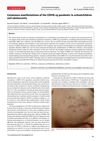
 The article concludes that schoolchildren and adolescents experienced various skin issues during the COVID-19 pandemic, including acne from masks and other skin reactions from the virus and vaccines.
 January 2023 in “Revista da Associação Médica Brasileira”
 Brazilian patients with inflammatory bowel disease have a high rate of skin problems compared to healthy people.
 January 2023 in “Postępy Dermatologii i Alergologii”
 Azelaic acid treats acne, rosacea, and hyperpigmentation with minimal side effects.
 November 2022 in “Journal of Education, Health and Sport”
 The skin's bacteria might influence the development of a hair loss condition called alopecia areata.
 September 2022 in “Dermato”
 Adult acne is often related to hormonal disorders, especially in women, and may need long-term treatment involving specialists.
 October 2020 in “Veterinary Dermatology”
 New treatments and diagnostic methods for various animal skin conditions showed promising results.
 July 2019 in “International Journal of Advance Research in Community Health Nursing”
 Raising awareness about PCOS in young females can help prevent long-term health issues.
 January 2019 in “Obstetrics & Gynecology International Journal”
 Hormonal changes and conditions like polycystic ovarian syndrome are major causes of adult acne in women, with varying prevalence among different ethnicities.