 56 citations
,
December 2011 in “Steroids”
56 citations
,
December 2011 in “Steroids” The document suggests treating individuals with nonclassic congenital adrenal hyperplasia who show symptoms, especially those related to excess male hormones.
The FGF5 gene variant causes long hair in Akitas, and genetic testing is advised to manage coat length and welfare.
 23 citations
,
January 2013 in “Indian Journal of Dermatology, Venereology and Leprology”
23 citations
,
January 2013 in “Indian Journal of Dermatology, Venereology and Leprology” FPHL causes hair loss in women due to genetics and hormones; minoxidil and anti-androgens are treatments, and early intervention is advised.
 66 citations
,
June 2018 in “British Journal of Dermatology”
66 citations
,
June 2018 in “British Journal of Dermatology” European guidelines recommend regular eye and ear exams, skin care, vitamin D supplements, and cautious use of medications for managing congenital ichthyoses.
 April 2016 in “Journal of Investigative Dermatology”
 The symposium showed that stem cells are key for understanding and treating skin diseases and for developing new skin models and therapies.
21 citations
,
December 2023 in “Journal of Investigative Dermatology” Hair graying is caused by damage and cell depletion but might be temporarily reversible with drugs and hormones.
 1 citations
,
September 2015 in “Clinics in Dermatology”
1 citations
,
September 2015 in “Clinics in Dermatology” The guide helps doctors diagnose hair problems by suggesting a thorough patient history, physical exams, and various diagnostic tools.
 August 2024 in “The Journal of Urology”
 The 2024 guideline updates recommendations for genetic testing, imaging, and sperm retrieval in male infertility.
February 2024 in “Pediatric Dermatology” A 5-year-old girl with a rare genetic disorder, lipoid proteinosis, showed reduced new lesions but persistent scars after avoiding skin trauma.
 January 2024 in “The Egyptian Journal of Hospital Medicine ”
 Hair loss may indicate a higher risk of heart disease and other health issues related to metabolism.
 October 2021 in “Más dermatología”
 Female androgenetic alopecia affects many women, is reversible with treatment like Minoxidil, and has significant psychological impacts.
 1 citations
,
March 2023 in “Nutrients”
1 citations
,
March 2023 in “Nutrients” The conclusion is that obesity should be managed with a slow, balanced approach to diet and exercise, with medication and surgery as additional options, and education and access to care are important.
 1 citations
,
March 2020 in “Current Science”
1 citations
,
March 2020 in “Current Science” Most people in the surveyed area experience hair loss, but they are not aware of the role of diet, iron, hormones, genetics, and possibly water quality in causing it.
 27 citations
,
December 2015 in “Mayo Clinic Proceedings”
27 citations
,
December 2015 in “Mayo Clinic Proceedings” The document concludes that lifestyle changes and medical treatments can significantly reduce symptoms of Hidradenitis Suppurativa, a chronic skin condition.
 16 citations
,
September 2018 in “Clinical Biochemistry”
16 citations
,
September 2018 in “Clinical Biochemistry” The document concludes that more research is needed to fully understand the causes of PCOS.
 1 citations
,
August 2020 in “Food Research”
1 citations
,
August 2020 in “Food Research” Plant extracts like Avicennia marina, Boehmeria nipononivea, and Camellia sinensis could potentially treat hair loss with fewer side effects than synthetic drugs.
 February 2009 in “Springer eBooks”
 Hyperpigmentation is common in pregnancy and may not fully fade after birth; melasma, also frequent, can persist but has limited treatment options during pregnancy.
 147 citations
,
January 2003 in “American journal of clinical dermatology”
147 citations
,
January 2003 in “American journal of clinical dermatology” The document concludes that accurate diagnosis of ichthyosis is crucial for treatment and genetic advice, and ongoing research is needed for better therapies.
138 citations
,
June 2023 in “Molecules” Skin pigmentation varies due to genetics, UV exposure, and drugs, with treatments available but requiring medical advice.
32 citations
,
May 2023 in “Preprints.org” Skin pigmentation varies due to genetics, UV exposure, and medications, with treatments available but requiring medical advice.
 16 citations
,
February 2018 in “BMC Genomics”
16 citations
,
February 2018 in “BMC Genomics” Certain genetic markers linked to reproductive potential were identified by their impact on a protein's ability to bind to genes.
 March 2025 in “Archives of Dermatological Research”
 Early-onset hair loss in Egyptian males is linked to genetics, hormones, and lifestyle factors like smoking and diet.
 6 citations
,
August 2012 in “The Journal of Pediatrics”
6 citations
,
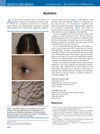
August 2012 in “The Journal of Pediatrics” A 12-year-old girl was diagnosed with monilethrix, a genetic condition causing fragile, beaded hair that breaks easily, with no effective treatment available.
 1 citations
,
January 2015 in “Journal of Pigmentary Disorders”
1 citations
,
January 2015 in “Journal of Pigmentary Disorders” Melasma is a skin condition linked to female hormones, genetics, UV exposure, and certain medications, but not to pituitary, adrenal, or thyroid diseases.
 December 2024 in “Journal of Clinical Research in Pediatric Endocrinology”
 21-hydroxylase deficiency causes hormone imbalances leading to various symptoms, and diagnosis involves clinical and genetic tests.
A rare skin condition in a 17-year-old was diagnosed late, stressing the need for careful evaluation and genetic testing.
 12 citations
,
January 2007 in “Current problems in dermatology”
12 citations
,
January 2007 in “Current problems in dermatology” Environmental and cosmetic factors, including heat, chemicals, and sun exposure, can cause hair loss and damage.
 June 2024 in “Trends in Urology & Men s Health”
 Post-finasteride syndrome is rare but serious and should be taken seriously.
 30 citations
,
January 2023 in “EFSA journal”
30 citations
,
January 2023 in “EFSA journal” Adults should not consume more than 255 micrograms of selenium per day to avoid risk of hair loss and other side effects.
 12 citations
,
May 2017 in “Medicine”
12 citations
,
May 2017 in “Medicine” Oral isotretinoin was recommended for a 21-year-old woman with severe acne.