October 2024 in “Journal of the Endocrine Society” A rare genetic mutation causes resistance to vitamin D, leading to severe rickets and requires high doses of calcium and vitamin D for management.
 January 2024 in “Biomedical journal of scientific & technical research”
 CRISPR/Cas9 gene-editing may effectively treat hair loss but requires more research for safe use.
 March 2023 in “International journal of trichology”
 Six genetic conditions are often linked to complete scalp hair loss in children.
May 2020 in “Lithuanian University of Health Sciences” Alopecia areata is an autoimmune disease causing hair loss, with treatments often ineffective but new options are being researched.
 April 2020 in “Journal of the Endocrine Society”
 Non-classic congenital adrenal hyperplasia (NCCAH) can mimic PCOS and requires genetic testing for proper diagnosis and treatment.
 August 2014 in “Journal of The American Academy of Dermatology”
 Obesity is linked to more severe hair loss in adult men and to excess hair growth, but its effects on hair conditions are complex and need more research.
 October 2007 in “Journal of Investigative Dermatology”
 The meeting highlighted the genetic basis of female pattern hair loss and various skin health insights.
 January 2025 in “Traditional Chinese Medicine”
 Combining Traditional Chinese Medicine with Western treatments improves hair loss treatment.
 May 2015 in “Journal of Dermatological Science”
 Researchers found a new area on chromosome 2 linked to a genetic hair loss condition.
October 2023 in “University of Zadar Institutional Repository” Androgenetic alopecia is a common genetic and hormonal hair loss affecting many men and women.
January 2020 in “Columbia Academic Commons (Columbia University)” Certain genetic changes in the STX17 and KRT82 genes contribute to hair loss in alopecia areata.
 23 citations
,
November 2020 in “Central-European Journal of Immunology/Central European Journal of Immunology”
23 citations
,
November 2020 in “Central-European Journal of Immunology/Central European Journal of Immunology” Alopecia areata, a type of hair loss, is likely an autoimmune disease with a genetic link, but its exact cause is still unknown.
 9 citations
,
October 1988 in “Clinics in Dermatology”
9 citations
,
October 1988 in “Clinics in Dermatology” Hair loss is caused by genetics and hormones, diagnosed through examination and biopsy, and treated with medications or surgery.
 5 citations
,
February 2004 in “The New England Journal of Medicine”
5 citations
,
February 2004 in “The New England Journal of Medicine” The book provides updated knowledge on hair disorders and new treatments for hair loss.
 1 citations
,
August 2021 in “Canadian journal of neurological sciences”
1 citations
,
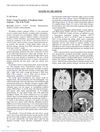
August 2021 in “Canadian journal of neurological sciences” Woodhouse-Sakati syndrome can cause writer's cramp and other varied symptoms, highlighting the importance of genetic testing for diagnosis.
 1 citations
,
May 2009 in “Annales de Dermatologie et de Vénéréologie”
1 citations
,
May 2009 in “Annales de Dermatologie et de Vénéréologie” Environmental factors like smoking, UV exposure, and poor diet contribute to hair loss and graying, and lifestyle changes can help manage it.
June 2026 in “International Journal of Drug Delivery Technology” Polymeric micelles offer a promising new way to treat hair loss with fewer side effects.
Early and accurate identification of primary scarring alopecias is crucial to prevent permanent hair loss.
 November 2022 in “Journal of Education, Health and Sport”
 The skin's bacteria might influence the development of a hair loss condition called alopecia areata.

Androgenetic alopecia, or hair loss, is caused by a mix of genetics, hormones, and environment, where testosterone affects hair growth and causes hair to become smaller and grow for a shorter time.
 January 2013 in “Российский журнал кожных и венерических болезней”
 Androgenic alopecia, a common hair loss condition, is linked to changes in androgen metabolism and genetics, and can be treated with finasteride and minoxidil, but these treatments are only fully effective in 10% of patients.
July 2005 in “The American Journal of Human Genetics” The AR gene is linked to male-pattern baldness, TNFSF4 to heart disease, SLC19A3 to BBGD, MCT8 to a syndrome, and segmental duplications to genetic variation.
 September 2004 in “PubMed”
 Androgenetic alopecia, or hair loss, is influenced by hormones and genetics, and can be treated with medications like minoxidil, finasteride, or hormone therapy, with effectiveness evaluated after 6 months.
 62 citations
,
April 2008 in “Neurobiology of aging”
62 citations
,
April 2008 in “Neurobiology of aging” Scientists found a gene in mice that causes early hearing loss.
3 citations
,
July 2015 in “Biotechnic & histochemistry” Bim and Puma proteins are found in developing mouse hair follicles and are involved in more than just cell death.
2 citations
,
March 2011 in “International Journal of Dermatology” An 18-year-old man was diagnosed with a rare genetic disorder causing hair loss, severe light sensitivity, and skin issues.
 July 2019 in “Journal of Investigative Dermatology”
 The research found that male pattern hair loss is mostly genetic and involves hair thinning due to hormonal effects and changes in gene expression.
170 citations
,
May 1979 in “The journal of pediatrics/The Journal of pediatrics” Two sisters with rickets and hair loss had a genetic issue with vitamin D processing, and only improved when given phosphorus supplements.
 72 citations
,
July 2008 in “Dermatologic Therapy”
72 citations
,
July 2008 in “Dermatologic Therapy” CCCA is a scarring hair loss condition mainly in African descent women, possibly caused by genetics and hairstyling, treated with gentle hair care and medications.
39 citations
,
July 2000 in “British Journal of Dermatology” Identical twins both had a rare hair loss condition, suggesting it might be genetic.