PRP may help reduce brain inflammation and protect brain cells.
 25 citations
,
June 2018 in “Journal of The American Academy of Dermatology”
25 citations
,
June 2018 in “Journal of The American Academy of Dermatology” Genes linked to fibrosis are more active in people with central centrifugal cicatricial alopecia.
6 citations
,
February 1989 in “PubMed” Hair glycation can indicate long-term blood sugar levels and diabetic nerve issues.
136 citations
,
July 2014 in “Proceedings of the National Academy of Sciences of the United States of America” FGF5 gene mutations cause unusually long eyelashes by affecting hair growth regulation.
May 2026 in “International Journal of Dermatology” This type of alopecia areata shows limited hair regrowth and poor response to treatment.
24 citations
,
July 2018 in “British Journal of Dermatology” Contact allergies might contribute to frontal fibrosing alopecia.
November 2024 in “Journal of Investigative Dermatology” γδT cells can protect hair follicles from alopecia areata and promote hair regrowth.
January 2013 in “Shiyong yixue zazhi” Astraglus polysaccharide may help hair growth by boosting follicle stem cell activity.
January 1994 in “대한피부과학회지” Androgen receptor expression is similar in affected and unaffected scalp areas in androgenetic alopecia.
January 2016 in “프로그램북(구 초록집)” The growth factor cocktail with FGF9 significantly increased hair density and diameter in patients with androgenetic alopecia.
 May 2026 in “AAPS PharmSciTech”
 PEGylated flavonoid Aspasomes improve brain protection and memory in stress-related disorders.
July 2022 in “Journal of Investigative Dermatology” Arg1+ macrophages may play a role in Alopecia Areata, offering new treatment targets.
January 2026 in “Open MIND” Fibroblasts play a key role in hair loss by affecting hair growth and causing inflammation.
 17 citations
,
November 2015 in “Oxidative Medicine and Cellular Longevity”
17 citations
,
November 2015 in “Oxidative Medicine and Cellular Longevity” Fibroblast Growth Factor-9 helps repair heart damage after a heart attack by creating new blood vessels, especially in diabetics.
Early diagnosis and treatment of frontal fibrosing alopecia are crucial to prevent permanent hair loss.
76 citations
,
July 2009 in “Neuroscience” Neurosteroids like allopregnanolone help control cell death and growth in the developing fetal brain.
 1 citations
,
June 2013 in “Science-business Exchange”
1 citations
,
June 2013 in “Science-business Exchange” Increasing the levels of a protein called FGF9 can promote hair growth, but humans may not respond the same way due to a lack of certain cells.
 2 citations
,
August 2022 in “Emergency medicine international”
2 citations
,
August 2022 in “Emergency medicine international” Keloid skin disorder involves abnormal fibroblast activation and immune response, linked to a group of genes including FGF11.

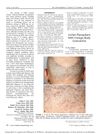
γδ T cells help control tissue scarring and blood vessel growth in response to foreign objects.
 5 citations
,
April 2014 in “The American Journal of Dermatopathology”
5 citations
,
April 2014 in “The American Journal of Dermatopathology” Foreign-body granuloma may be a marker for late-stage Lichen Planopilaris and should be considered in diagnosis.
 32 citations
,
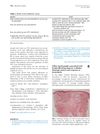
September 2017 in “Journal of the American Academy of Dermatology”
32 citations
,
September 2017 in “Journal of the American Academy of Dermatology” Oral isotretinoin effectively treats yellow facial papules in frontal fibrosing alopecia patients.
Rat hair follicle bulge cells can become nerve and glial cells, showing potential for neuroprotection.
 May 2021 in “Experimental Cell Research”
 FOXC1 boosts SFRP1 in hair loss, suggesting new treatments.
14 citations
,
March 1987 in “Journal of Investigative Dermatology”  July 2021 in “Archives of Dermatological Research”
 Alopecia patients have less GPER-1, which might affect hair loss.
 68 citations
,
May 2016 in “Experimental dermatology”
68 citations
,
May 2016 in “Experimental dermatology” FFA's causes may include environmental triggers and genetic factors.
 9 citations
,
July 2020 in “Journal of Dermatology”
9 citations
,
July 2020 in “Journal of Dermatology” Asian patients with Frontal Fibrosing Alopecia often lose eyebrow hair and respond well to combined antiandrogen or antimalarial and topical treatments.
 23 citations
,
October 2018 in “Australasian Journal of Dermatology”
23 citations
,
October 2018 in “Australasian Journal of Dermatology” The current understanding of frontal fibrosing alopecia involves immune, genetic, hormonal factors, and possibly environmental triggers, but more research is needed for effective treatments.
November 2025 in “OPAL (Open@LaTrobe) (La Trobe University)” DAB labeling effectively identifies collagen type III and PDGFR in horse skin, but may show false positives.
 February 2026 in “SHILAP Revista de lepidopterología”
 Engineered exosomes with EGF and FGF improve hair growth in mice with hair loss.