 1 citations
,
February 2024 in “Pharmacognosy Journal”
1 citations
,
February 2024 in “Pharmacognosy Journal” Fenugreek seed extract boosts testosterone and improves male reproductive health without heart side effects.
October 2022 in “Hair Transplantation” Combination grafting offers efficient, natural hair restoration in one session.
 7 citations
,
June 2015 in “European Journal of Plastic Surgery”
7 citations
,
June 2015 in “European Journal of Plastic Surgery” PRGF treatment safely and effectively helps hair loss.
 288 citations
,
June 2009 in “Human reproduction update”
288 citations
,
June 2009 in “Human reproduction update” The modified Ferriman-Gallwey method is a useful tool for diagnosing hirsutism.
265 citations
,
March 1993 in “The EMBO Journal” Keratinocyte growth factor significantly alters skin and tissue development.
 4 citations
,
January 2015 in “Journal of drug assessment”
4 citations
,
January 2015 in “Journal of drug assessment” Finasteride gel effectively and safely reduces hair thickness in women with excessive hair growth.
 45 citations
,
July 2009 in “Journal of human genetics”
45 citations
,
July 2009 in “Journal of human genetics” A gene variation is linked to hair thickness in Asians.
 1 citations
,
April 2017 in “Journal of Investigative Dermatology”
1 citations
,
April 2017 in “Journal of Investigative Dermatology” D-OCT shows increased blood vessel growth in response to tissue damage in Frontal Fibrosing Alopecia and is useful for diagnosis and monitoring.
 12 citations
,
October 2017 in “Journal of Cosmetic Dermatology”
12 citations
,
October 2017 in “Journal of Cosmetic Dermatology” Combining plasma rich in growth factors with hair transplant surgery may lead to faster recovery and better outcomes for hair loss treatment.
EGF and EGFR are essential for goat fetal skin development.
1 citations
,
October 2025 in “International Journal of Molecular Sciences” Mutating the gmds gene in zebrafish increases hair cell numbers and regeneration.
15 citations
,
April 2021 in “Annals of Translational Medicine” Facial gender surgery techniques focus on forehead and hairline changes for accurate results.
 41 citations
,
September 2011 in “Journal of Ethnopharmacology”
41 citations
,
September 2011 in “Journal of Ethnopharmacology” Panax ginseng extract helps mice grow hair.
158 citations
,
February 2012 in “Journal of Investigative Dermatology” FGF18 helps keep hair in its resting phase, affecting hair growth cycles.
1 citations
,
October 2020 in “Research Square (Research Square)” A genetic variant in goats is linked to cashmere growth.
2 citations
,
July 2012 in “BMJ” FFA can be mistaken for rosacea, requiring specific treatment for accurate diagnosis and management.
August 2019 in “Journal of the American Academy of Dermatology” Frontal fibrosing alopecia may be caused by an autoimmune reaction and hormonal imbalance.
 July 2018 in “DOAJ (DOAJ: Directory of Open Access Journals)”
 The new gel formula could improve the delivery of a hair loss treatment through the skin and might be an alternative to taking it by mouth.
 July 2023 in “Indian Journal of Animal Health”
 FGF-5 promotes Cashmere goat hair growth by increasing keratin genes and reducing certain LncRNA and target genes.
Frontal Fibrosing Alopecia mainly affects postmenopausal women and is linked to thyroid disease, hyperlipidemia, and anemia.
May 2024 in “Reactions weekly” November 2025 in “Biomolecules” FGF22 helps hair follicle stem cells grow and develop.
 6 citations
,
November 1996 in “Archives of Dermatology”
6 citations
,
November 1996 in “Archives of Dermatology” G-CSF effectively treated a teenager's cyclic neutropenia and reduced her symptoms without adverse effects.
March 2005 in “Journal of the American Academy of Dermatology” Cosmetic treatments can replenish key amino acids in damaged hair, improving its strength and appearance.
 6 citations
,
January 2017 in “British Journal of Dermatology”
6 citations
,
January 2017 in “British Journal of Dermatology” Frontal fibrosing alopecia is a scarring hair loss condition mainly affecting older women, with no known cause and treatments that may help stabilize hair loss.
 May 2026 in “Journal of Basic and Clinical Health Sciences”
 FAGA shows varied hair thickness, while TE has more empty follicles.
Orthognathic surgeons play a key role in modifying masculine facial features to be more feminine, often improving transgender women's quality of life.
 39 citations
,
July 2015 in “British Journal of Dermatology”
39 citations
,
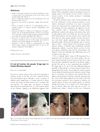
July 2015 in “British Journal of Dermatology” The pseudo 'fringe sign' can also appear in frontal fibrosing alopecia, not just in traction alopecia, showing that this condition may be more common than thought.
August 2012 in “Faculty Opinions – Post-Publication Peer Review of the Biomedical Literature” FGF18 controls hair cycle rest and growth phases.
 August 2013 in “Nature Reviews Drug Discovery”
 A protein called FGF9 helps regenerate hair follicles in mice after skin damage, and increasing FGF9 could potentially help human hair growth.