7 citations
,
July 2016 in “Journal of Biomedical Materials Research Part A” cGEL hydrogel improves melanin production in skin cells, making it a promising option for skin treatments.
 1 citations
,
June 2022 in “Chinese medical journal/Chinese Medical Journal”
1 citations
,
June 2022 in “Chinese medical journal/Chinese Medical Journal” Two new mutations in the CDH3 gene cause hair loss and vision problems in a young girl.
6 citations
,
January 2004 in “DNA Research” A mutation in the Sgkl gene causes defective hair growth in mice.
 March 2026 in “Oxford Journal of Student Scholarship”
 Hair follicle stem cells can help treat hair loss and chronic ulcers, but more research is needed for other uses.
20 citations
,
October 1995 in “Biochimica et Biophysica Acta (BBA) - Gene Structure and Expression” hHb1, hHb3, and hHb6 mRNAs start expressing at the same time in hair follicles.
 1 citations
,
December 2004 in “Hepatology”
1 citations
,
December 2004 in “Hepatology” Tenofovir is more effective than adefovir for resistant hepatitis B, Fibroscan is good for assessing liver damage, regulatory T cells may help hepatitis C persist, and other insights into liver health and disease were found.
 August 2023 in “Journal of analytical & pharmaceutical research”
 Microneedle-assisted therapy with human basic fibroblast growth factor significantly regrew hair in patients with hair loss.
13 citations
,
August 2005 in “Journal of Investigative Dermatology Symposium Proceedings” Mutations in the DSG4 gene cause fragile, sparse hair in humans, mice, and rats.
 3 citations
,
January 2005 in “Biological & Pharmaceutical Bulletin”
3 citations
,
January 2005 in “Biological & Pharmaceutical Bulletin” The peptide GPIGS helps hair cells grow and speeds up hair regrowth in mice.
Par3–mInsc and Gαi3 work together to ensure proper cell division orientation in skin development.
 1 citations
,
April 2025 in “Scientific Reports”
1 citations
,
April 2025 in “Scientific Reports” Researchers discovered how to control Claudin expression in cells, aiding cancer and regenerative medicine research.
 321 citations
,
March 2015 in “Nature”
321 citations
,
March 2015 in “Nature” Super-enhancers controlled by pioneer factors like SOX9 are crucial for stem cell adaptability and identity.
April 2011 in “The FASEB Journal” Profilin1 speeds up wound healing.
 6 citations
,
January 2017 in “Advances in Experimental Medicine and Biology”
6 citations
,
January 2017 in “Advances in Experimental Medicine and Biology” Runx genes are important for stem cell regulation and their roles in aging and disease need more research.
57 citations
,
August 2006 in “Journal of the American Academy of Dermatology” Gefitinib can cause hair loss without scarring.
6 citations
,
October 2024 in “Frontiers in Bioengineering and Biotechnology” A special hydrogel helps stem cells heal wounds better by boosting growth factors.
ARHGEF3 is essential for proper hair follicle development.
 May 2026 in “Research Square”
 The polyG fragment in Hoxc13 protein helps evolve mammalian skin and hair by enhancing gene interactions.

Understanding hair follicle signaling can improve hair disorder treatments.
 June 2023 in “Medical records-international medical journal”
 Decreased IGF-1R expression may contribute to sacrococcygeal pilonidal sinus development.
June 2022 in “Dermatologic Therapy” Oral minoxidil and growth factors improved hair density and thickness in a girl with hereditary hair loss.
5 citations
,
May 2024 in “Developmental Cell” Lower GATA3 levels in mice help hair regrow by changing certain immune cells.
Researchers created a new mouse model, G4, that mimics human PCOS symptoms and links the condition to a specific gene.
1 citations
,
January 2019 in “PubMed” cgVEGF164 boosts hair follicle growth in mice.
7 citations
,
June 2020 in “npj regenerative medicine” GDNF helps grow hair and heal skin wounds by acting on hair stem cells.
26 citations
,
August 2009 in “Journal of Pediatric Gastroenterology and Nutrition” Hoyeraal-Hreidarsson syndrome in infants causes severe gastrointestinal issues.
January 2011 in “Anhui nongye kexue” The vector successfully directed specific gene expression in hair follicles.
April 2025 in “Journal of Diabetes & Metabolic Disorders” Monitoring TGF-β and linc-PINT expression may help identify and treat high-risk heart arrhythmia patients.
April 2018 in “Journal of Investigative Dermatology” Differentiated fibroblasts regenerate hair follicles better than undifferentiated ones.
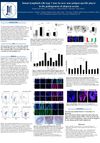
Innate lymphoid cells type 1 may contribute to alopecia areata by damaging hair follicles.