 June 2026 in “Frontiers in Oncology”
 GSDMA deficiency slows skin cancer growth.
 October 2022 in “The American journal of gastroenterology”
 Thymoma-associated multiorgan autoimmunity can cause liver damage and affects multiple organs, with limited treatment options and a generally poor prognosis.
 20 citations
,
May 1985 in “British journal of nutrition”
20 citations
,
May 1985 in “British journal of nutrition” Dietary essential fatty acids improved skin and hair conditions and partially corrected fat composition in diabetic mice.
 January 2026 in “Cirugía Plástica .”
 Topical glutamic acid may help hair regrow after burns, but more human testing is needed.
 August 2024 in “Life Science Alliance”
 Helminth protein helps wounds heal better by reducing scarring and promoting tissue growth.
33 citations
,
August 2000 in “Experimental Cell Research” 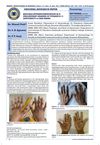 July 2021 in “PARIPEX INDIAN JOURNAL OF RESEARCH”
 Knuckle darkening can be an early sign of vitamin B12 deficiency.
June 2024 in “Current Developments in Nutrition” KeraGLO improves skin and hair health.
 3 citations
,
August 2014 in “Journal of The American Academy of Dermatology”
3 citations
,
August 2014 in “Journal of The American Academy of Dermatology” Filaggrin mutations are linked to atopic dermatitis and help explain how genetics and environment affect the disease.
15 citations
,
June 2020 in “The journal of investigative dermatology/Journal of investigative dermatology” Mice with extra human KLK14 had hair and skin problems, including weaker cell bonds and inflammation, linked to Netherton syndrome.
31 citations
,
October 1992 in “PubMed” A mycobacterial protein shares a similar region with a human skin protein, possibly affecting skin diseases.
38 citations
,
March 2015 in “Journal of controlled release” IMSG nanoparticles improve vaccine delivery and immune response through hair follicles.
 73 citations
,
June 2010 in “PLoS Genetics”
73 citations
,
June 2010 in “PLoS Genetics” A gene mutation in mice causes hair loss, weak bones, and protein buildup, showing how protein processing issues can lead to diseases.
 July 2025 in “Chinese Journal of Dermatology”
 Certain N-glycans may help assess hair loss severity in men with female-pattern hair loss.
22 citations
,
May 2007 in “Molecular Biotechnology” 7 citations
,
May 1995 in “The journal of investigative dermatology/Journal of investigative dermatology”  1 citations
,
April 2019 in “The journal of investigative dermatology/Journal of investigative dermatology”
1 citations
,
April 2019 in “The journal of investigative dermatology/Journal of investigative dermatology” Melanocyte-associated antigens may play a key role in alopecia areata and could be targets for new treatments.
 June 2023 in “Acta Scientifci Nutritional Health”
 A gluten-free diet improves growth and reduces symptoms in children with celiac disease.
39 citations
,
February 1990 in “The journal of cell biology/The Journal of cell biology” Trichohyalin, a hair follicle protein, has a part with repeating patterns of 23 amino acids.
Keratinocytes can reverse the effects of the GNAQ oncogene, inhibiting melanoma cell growth.
47 citations
,
July 1998 in “Journal of Investigative Dermatology” A new mutation, Glu402Lys, in hair keratin is linked to variable symptoms of monilethrix.
21 citations
,
November 2019 in “Molecular & Cellular Proteomics” Citrullinated proteins from Porphyromonas gingivalis may contribute to rheumatoid arthritis.
 15 citations
,
April 2017 in “Cell Stem Cell”
15 citations
,
April 2017 in “Cell Stem Cell” Some brain cancer cells avoid immune system detection, and certain treatments could target this to slow their growth; also, certain fat cell precursors help regenerate hair and skin after injury.
1 citations
,
October 2016 in “The American Journal of Gastroenterology” Celiac disease can cause thyroid medication malabsorption, and a gluten-free diet can help stabilize thyroid levels.
September 2024 in “Annals of Dermatology” A new diagnostic model can help better diagnose and understand Alopecia Areata.
1 citations
,
November 2024 in “Journal of the American Academy of Dermatology” People with celiac disease have a higher risk of developing alopecia areata.
 53 citations
,
July 2011 in “Biomaterials”
53 citations
,
July 2011 in “Biomaterials” Human liver cells stick to hair protein materials mainly through the liver's asialoglycoprotein receptor.
 April 2026 in “American Journal of Clinical Dermatology”
 GLP-1 receptor agonists may help or harm hair health, needing more research.
24 citations
,
October 2019 in “Genes” A new sheep gene, KRTAP36-1, may help breed sheep with better wool by reducing prickle factor.
28 citations
,
October 1984 in “Journal of Investigative Dermatology”