January 2020 in “ScholarWorks (Central Washington University)” NAG-1 may help prevent some metabolic issues related to PCOS.
56 citations
,
November 1958 in “The Journal of Cell Biology” A unique skin cell similar to hair bulb melanocytes was identified, with better preservation using permanganate fixation.
5 citations
,
January 1981 Keratin proteins in hair are complex and come from multiple gene families.
January 1990 in “대한피부과학회지” Peanut agglutinin staining helps differentiate malignant melanoma from nevocellular nevus.
69 citations
,
December 2015 in “BMC plant biology” Three genes in Arabidopsis are important for plant growth and development by affecting sugar attachment to proteins.
 15 citations
,
April 2017 in “Cell Stem Cell”
15 citations
,
April 2017 in “Cell Stem Cell” Some brain cancer cells avoid immune system detection, and certain treatments could target this to slow their growth; also, certain fat cell precursors help regenerate hair and skin after injury.
April 2023 in “Journal of Investigative Dermatology” AL136131.3 slows hair growth by affecting energy processes in hair loss.
 65 citations
,
January 2011 in “Frontiers in Endocrinology”
65 citations
,
January 2011 in “Frontiers in Endocrinology” Neurosteroids show promise for treating epilepsy and more research is needed.
49 citations
,
January 2006 in “Developmental Dynamics” Noggin gene inactivation causes skeletal defects in mice, varying by genetic background.

The RNA AL136131.3 slows down hair growth and speeds up hair loss by affecting sugar breakdown in hair follicles.
39 citations
,
September 2007 in “BMC developmental biology” Neuregulin3 affects cell development in the skin and mammary glands.
1 citations
,
August 2016 in “Dermatology - Open Journal” Mitochondria change shape to meet energy needs during cell movement.
 July 2022 in “The journal of investigative dermatology/Journal of investigative dermatology”
 A patient with a PLEC mutation has epidermolysis bullosa, muscular dystrophy, and myasthenia gravis, which improved with steroid treatment.
 November 2023 in “International Journal of Biological Macromolecules”
 The gelatin-based hydrogel helps heal acute and diabetic wounds faster by improving healing conditions.
November 2025 in “OPAL (Open@LaTrobe) (La Trobe University)” Gentamicin-loaded exosomes improve healing of infected diabetic wounds in mice.
 1 citations
,
May 2023 in “Journal of molecular evolution”
1 citations
,
May 2023 in “Journal of molecular evolution” Pangolins have lost some skin-related genes, but kept others, leading to their unique scales and skin features.
9 citations
,
January 2021 in “Biomolecules” Infrared spectral imaging can map hair growth proteins and sugars without staining.
46 citations
,
May 1991 in “British Journal of Dermatology” Heparin can inhibit hair growth in mice when injected.
 31 citations
,
May 2019 in “Nature communications”
31 citations
,
May 2019 in “Nature communications” Single Blimp1+ cells can create functional sebaceous gland organoids in the lab.
November 2024 in “Journal of Investigative Dermatology” Red ginseng components help prevent skin aging by reducing inflammation and improving cell function.
 41 citations
,
September 2011 in “Journal of Ethnopharmacology”
41 citations
,
September 2011 in “Journal of Ethnopharmacology” Panax ginseng extract helps mice grow hair.
7 citations
,
September 1980 in “Zoological Journal of the Linnean Society” Dendritic cells help regulate skin development and hair growth in mice.
17 citations
,
February 2018 in “Journal of Investigative Dermatology” PPAR-γ signaling improves mitochondrial function in hair follicles, potentially affecting hair growth and aging.
14 citations
,
January 2020 in “Research Journal of Pharmacy and Technology” Fat and hair follicle stem cells can become neurons, useful for treating brain diseases.
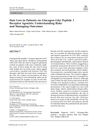 June 2026 in “Dermatology and Therapy”
 GLP-1RAs, like semaglutide and tirzepatide, may cause hair loss, so patients should be informed and monitored.
26 citations
,
September 2013 in “Journal of Dermatological Science” Serum granulysin levels can indicate the activity and prognosis of alopecia areata.
1 citations
,
November 1975 in “PubMed” GRF is not safe for tubal occlusion.
August 2023 in “bioRxiv (Cold Spring Harbor Laboratory)” Axolotls regenerate their spinal cord through a signal that recruits cells, influenced by cell sensitivity and signal spread.
1 citations
,
May 1992 in “Pharmacological Research”  38 citations
,
April 2017 in “PLOS Genetics”
38 citations
,
April 2017 in “PLOS Genetics” GRHL3 is important for controlling gene activity in skin cells during different stages of their development.