May 2023 in “Pharmaceuticals” Three specific mutations in the LIPH gene can cause hair loss by damaging the protein's structure and function.
December 2024 in “Biochemical and Biophysical Research Communications” LMWP-PDGFA shows promise for improving hair health and treating hair loss with fewer side effects.
124 citations
,
April 2000 in “Nature biotechnology”  7 citations
,
March 2019 in “Journal of cosmetic dermatology”
7 citations
,
March 2019 in “Journal of cosmetic dermatology” African hair has the most lipids, while Caucasian hair is more hydrated and stronger.
15 citations
,
January 2017 in “Polymers” Polyelectrolytes can improve cell surfaces for better medical applications.
 25 citations
,
December 2005 in “Molecular Genetics and Metabolism”
25 citations
,
December 2005 in “Molecular Genetics and Metabolism” Taking riboflavin and eating less lysine can help some people with a specific genetic disorder avoid brain damage.

A rash from semaglutide may be due to propylene glycol, not the drug itself.
 April 2024 in “Chemical engineering journal”
 The new hydrogel made from thymol and glycyrrhizin helps heal MRSA-infected wounds in rats effectively.
1 citations
,
February 2024 in “Pharmaceutics” Nanovesicles improve drug delivery through the skin, offering better treatment outcomes and fewer side effects.
23 citations
,
July 2020 in “Aging Cell” Aging changes sugar molecules on skin stem cells, which may affect their ability to repair skin.
 August 2023 in “International Journal of Molecular Sciences”
 Liposomes show promise for delivering CRISPR for gene editing but face challenges like delivery efficiency and safety concerns.
 November 2024 in “Research Square (Research Square)”
 Lipids may help treat hair loss by promoting hair growth through the HIF-1 pathway.
297 citations
,
December 2005 in “Journal of controlled release” P-SLN nanoparticles effectively deliver podophyllotoxin to the skin.
 January 2019 in “Proceedings for Annual Meeting of The Japanese Pharmacological Society”
 Nε-(carboxymethyl) lysine delays hair growth by blocking a key protein.
IVL-DrugFluidic® can mass-produce high-quality, long-acting injectable drug microspheres, improving patient compliance and reducing side effects.
 December 2025 in “Scientific Reports”
 Cedrol may help reduce liver fat and fat cell growth caused by corticosteroids.
48 citations
,
September 2007 in “European Journal of Neuroscience” Ethanol blocks memory formation in rats by enhancing certain brain chemicals.
 21 citations
,
March 2017 in “Skin research and technology”
21 citations
,
March 2017 in “Skin research and technology” Removing external lipids from hair reduces moisture and increases strength, while removing internal lipids decreases water permeability.
July 2026 in “Endocrine and Metabolic Science” In females, low HDL levels are linked to higher odds of hair loss.
 7 citations
,
February 2010 in “British Journal of Dermatology”
7 citations
,
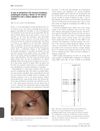
February 2010 in “British Journal of Dermatology” A woman with a rare autoimmune disorder had a blister on her eye and unique immune reaction, which was effectively treated with medication.
 January 2024 in “Journal of Biosciences and Medicines”
 Combining Ginkgo biloba and butylphthalide improves cognitive recovery and reduces inflammation after a stroke.
May 2025 in “Oral Sciences Reports” A lip nodule from a filler injection was successfully removed with surgery.
 1 citations
,
January 2023 in “Journal of Drugs in Dermatology”
1 citations
,
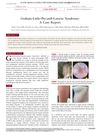
January 2023 in “Journal of Drugs in Dermatology” Early detection of Graham-Little-Piccardi-Lasseur syndrome is key for better management.
19 citations
,
September 1971 in “Journal of Investigative Dermatology” July 2025 in “Carbohydrate Polymers” The green alga Parachlorella sp. has potential for use in cosmetics and health products due to its antioxidant, anti-hypertensive, and hair growth properties.
 111 citations
,
March 2012 in “Expert Opinion on Drug Delivery”
111 citations
,
March 2012 in “Expert Opinion on Drug Delivery” Liposomes could improve how skin care products work but are costly and not very stable.
 15 citations
,
April 2017 in “Cell Stem Cell”
15 citations
,
April 2017 in “Cell Stem Cell” Some brain cancer cells avoid immune system detection, and certain treatments could target this to slow their growth; also, certain fat cell precursors help regenerate hair and skin after injury.
August 2020 in “Research Square (Research Square)” Enhanced stem cells can reduce fat buildup in eye tissue for Graves' disease.
 August 2025 in “International Journal of Contemporary Pediatrics”
 HLD10 can include increased body hair and Mongolian spots.
January 2013 in “Herald of Medicine” GHK-Cu liposome promotes hair growth in mice with alopecia.